
Footwear and Postural Control in Elderly Fitness Training
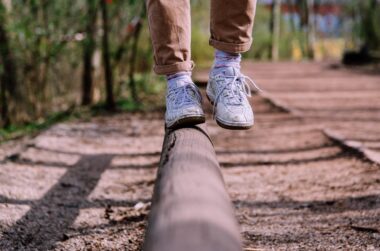
Footwear plays a crucial role in maintaining balance and coordination, particularly in elderly individuals participating in fitness training. As people age, their stability often declines, leading to an increased risk of falls. A proper shoe design that incorporates cushioning, support, and grip can enhance postural control and stability for the elderly during exercise routines. Footwear should be designed to accommodate the unique needs of older adults, offering features like arch support and orthotic compatibility to ensure comfort and stability. The connection between footwear and balance cannot be understated, as improper shoes can contribute to instability. Selecting the right footwear requires considering the training environment, duration of activity, and individual foot anatomy. A shoe that minimizes discomfort allows elderly individuals to focus on their posture, enhancing their training effectiveness. Moreover, exercises targeted at strength and coordination should be accompanied by appropriate footwear. It is important to educate trainers and participants on the effects of footwear on their balance and overall training experience. Therefore, the right choice of footwear can significantly improve safety and performance during fitness activities.
Understanding the impacts of various shoe types on balance is essential for effective fitness training among seniors. Shoes vary in terms of materials, design, and purpose, directly influencing an individual’s ability to maintain balance during exercises. For instance, minimalist shoes encourage natural movement but may lack the needed support for some elderly users. In contrast, shoes with thicker soles might offer cushioning but can also hinder foot movement and sensory feedback about the ground. These factors lead trainers to carefully select shoes that complement specific workouts while considering participants’ physical capabilities. Utilizing shoes designed with adequate grip can prevent slips and falls during activities, contributing to a safer training environment. Furthermore, educational programs can be established to inform elderly individuals about footwear options that support their postural control. Resources from professionals, such as physiotherapists, can be beneficial in optimizing footwear choices. Additionally, innovative designs in footwear, including slip-resistant features, can enhance functionality. Consequently, establishing awareness about the relationship between footwear and balance can empower older adults to make informed decisions about their footwear, ultimately enhancing their fitness training outcomes.
Essential Features of Elderly Footwear
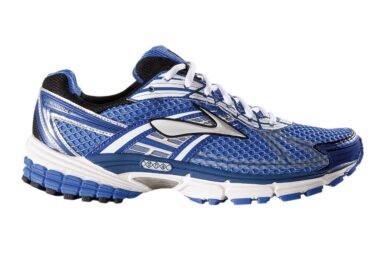
When selecting footwear for elderly individuals, several essential features must be prioritized to ensure optimal balance and comfort. Shoes with cushioned insoles can absorb shock and reduce foot fatigue, allowing seniors to engage actively in their fitness programs. A wide toe box is also necessary, preventing discomfort and allowing for natural toe splay during movement. Flexible yet supportive midsoles can provide the necessary stability without restricting natural foot motion. Additionally, shoes should have well-structured heel counters to maintain foot position effectively, which directly correlates with improving balance. Proper footwear also features lightweight designs to combat fatigue during prolonged use. It is equally important to consider the outer sole materials; rubber soles generally offer better traction compared to plastic ones, significantly reducing the risk of falling. Trainers or participants can also explore shoes equipped with a removable insole, allowing for orthotic inserts if necessary. Furthermore, adjustable closures are crucial for accommodating foot swelling, which is common in seniors. By advocating for footwear that maximizes these features, both trainers and participants can enhance postural control while ensuring comfort during training sessions.
Regular assessments of footwear can also be beneficial for senior participants in fitness programs. Over time, shoes may lose their supportive features due to wear and tear, which can lead to alterations in balance. Conducting periodic checks allows for timely replacement of worn-out footwear, thus minimizing potential hazards during exercises. Instructors should encourage participants to be proactive in monitoring their shoes, ensuring they retain adequate grip and cushioning. Inviting a discussion on the longevity of different shoe types will also enlighten seniors on optimal care practices, potentially extending their footwear’s usability. In line with this, peer discussions or workshops could inform older adults about identifying signs of worn footwear. Participants may not recognize when their shoes become unsafe; by promoting education, trainers can foster greater awareness. The idea of experimenting with different shoe technologies tailored to balance and coordination can also be introduced in these sessions. This will help seniors understand that their footwear options are not static and can evolve with modern technologies. Thus, emphasizing proactive footwear assessments can enhance safety and enjoyment in fitness programs for the elderly.
The Role of Trainers in Footwear Selection
Trainers play a pivotal role in guiding elderly individuals towards suitable footwear choices for effective fitness training. Their expertise can help participants navigate through various brands and models available in the market. Since trainers are experienced observers of movement patterns, they can assist seniors by recommending shoes that cater to their unique foot characteristics and activity levels. By discussing the specific needs of each participant in the context of their fitness goals, trainers can match individuals with footwear that not only feels great but also improves their safety during training. Offering personalized assessments can empower trainers to demonstrate how different footwear influences balance and performance. Moreover, trainers can introduce participants to the importance of proper shoe fitting, as a well-fitted shoe can make a significant difference in comfort and stability. Additionally, it is their responsibility to update themselves about new advancements in footwear technology that could further assist older adults. By doing so, they can provide informed recommendations, helping seniors make footwear decisions that support their active lifestyle. This collaborative approach encourages a safe and enjoyable fitness environment for elderly individuals.
Consumer reviews and recommendations from fellow participants can also shape footwear choices significantly in elderly fitness training. With the growing prevalence of social media and review platforms, older adults can readily access feedback regarding specific shoe models and brands. Incorporating real-life experiences from their peers allows new participants to make informed decisions about footwear. Furthermore, sharing individual stories can build a sense of community among seniors, enhancing their confidence in their training programs. This platform serves as a valuable resource for exchanging information, contributing to better footwear decisions as participants learn which options have successfully improved others’ balance and comfort. Additionally, trainers can facilitate group discussions centered around these shared experiences, guiding seniors on evaluating reviews critically. By normalizing the sharing of footwear experiences, trainers can encourage older adults to seek shoes that enhance their overall fitness journey. Moreover, knowledge about proper maintenance and care for footwear can be conveyed through these discussions, ensuring longevity. Combining peer involvement with informed guidance creates a holistic approach to selecting appropriate footwear that supports seniors’ physical activities. This collaborative method strengthens community bonds and aids in informed footwear choices.
Conclusion: Finding the Right Footwear
In conclusion, finding the right footwear is critical for enhancing balance and coordination in elderly fitness training. Given the unique needs of this population, the shoe’s design and features must cater specifically to promote safe and effective physical activity. As discussed, trainers have an essential role in guiding elderly participants through the selection process, emphasizing the importance of comfort, support, and fit. Moreover, regular evaluations and proactive assessments are necessary to ensure continued safety during training sessions. By incorporating peer feedback and experiences, older adults can actively engage in knowledge sharing that promotes sound footwear decisions. Consequently, trainers and participants should jointly focus on learning about footwear technologies and innovations that can improve stability and performance. This focus on optimum footwear will not only aid in reducing the risk of falls but also encourage seniors to participate more fully in their fitness programs. A commitment to educational resources centered around footwear can lead to improved fitness outcomes, enhancing overall quality of life for elderly individuals. Ultimately, the combination of the right shoe and informed decisions ensures that seniors engage safely and effectively in their fitness journeys.
As footwear significantly influences balance and coordination, it is imperative to recognize the impact of appropriate choices during fitness training. The selected footwear should thoughtfully consider all aspects of the elderly’s unique anatomical needs while supporting their overall fitness goals. When trainers and participants work collaboratively to understand the best practices surrounding footwear, it leads to heightened safety and performance in fitness activities. Organizations and facilities that offer programs for seniors can benefit from adopting policies that prioritize discussions on footwear within training. Addressing the role of shoes in relation to balance early in the program can set the foundation for successful training outcomes. The mutual sharing of experiences regarding shoe performance will help participants foster improved balance while engaging in their training programs. In addition, considering the incorporation of footwear assessments as part of ongoing training sessions can further empower seniors within these programs. With emphasis on proper footwear, trainers can facilitate a safer and more successful journey for their participants. Thus, as awareness about the importance of footwear continues to grow, so does the potential for enhancing seniors’ physical fitness and quality of life.