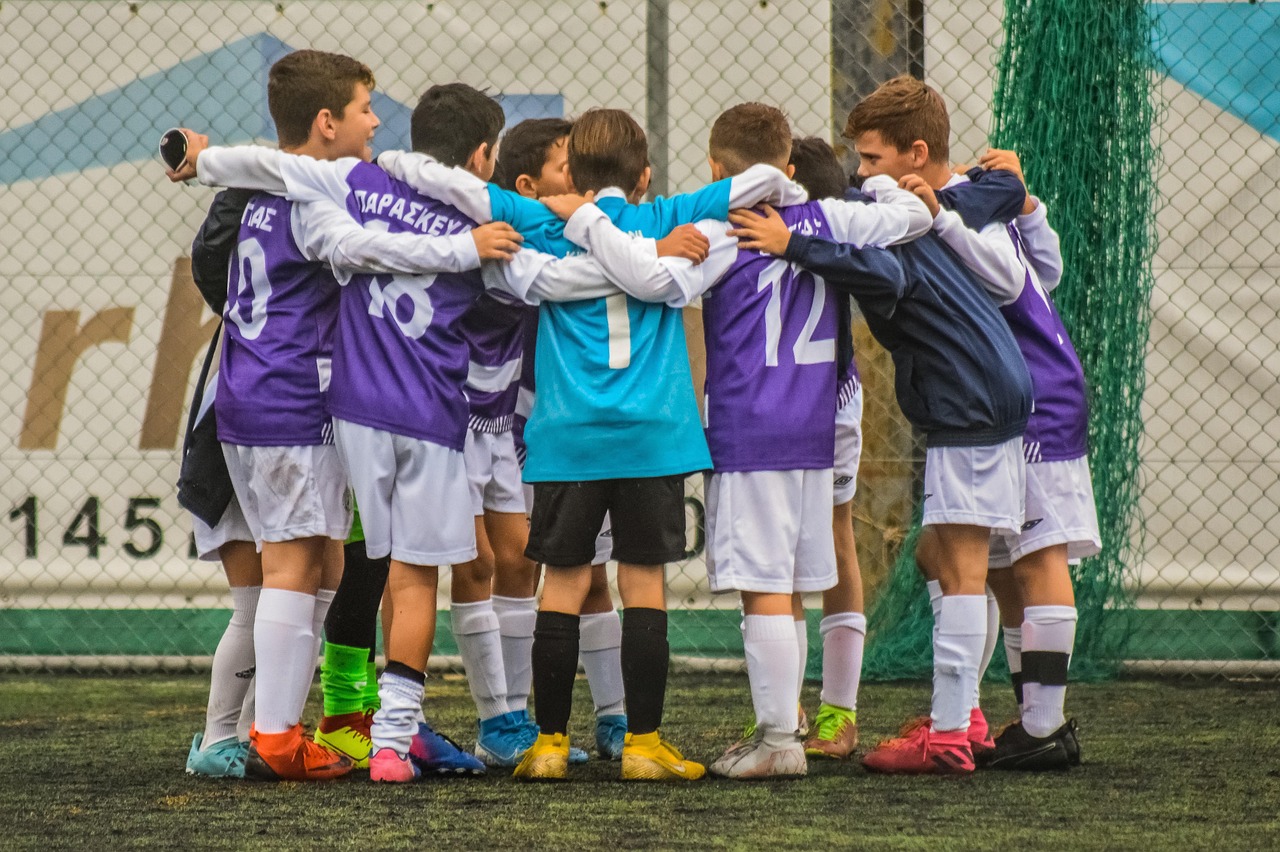

Motivational Challenges and Solutions for Athletic Teams
In the competitive world of sports, motivation plays a pivotal role in achieving goals and maximizing team performance. Athletes often face various motivational challenges that can significantly impact their performance and engagement. One common challenge is the disparity in individual commitment levels. When some team members are highly motivated while others lack determination, it can create friction and hinder team cohesion. Furthermore, external pressures, such as media scrutiny and public expectations, can add to these challenges, affecting the athletes’ focus and mental well-being. To tackle these issues, coaches must foster an environment where every team member feels valued and engaged. Implementing individualized goal-setting strategies can also help athletes establish personal benchmarks and align them with the collective aims of the team, ultimately enhancing motivation. Another effective approach is incorporating regular feedback sessions, allowing athletes to share their opinions and concerns openly. This helps bridge gaps in motivation and enables the team to work collaboratively towards a common goal. In summary, addressing these motivational challenges is critical for any athletic team aiming to achieve consistent high-performance levels.
Another significant challenge faced by athletic teams in promoting motivation is the issue of burnout. Athletes may experience physical and mental exhaustion, resulting from rigorous training schedules and the demands of competition, negatively impacting their enthusiasm. It is essential for coaches and team leaders to recognize the signs of burnout early on to implement necessary interventions. Incorporating rest days, ensuring a balanced training regime, and encouraging open communication about stressors can mitigate the risk of this debilitating state. To combat burnout effectively, teams should foster a culture of enjoyment in sports, emphasizing that participation should not be solely about winning. By creating activities that promote team bonding, such as social events and fun training sessions, teams can rejuvenate athletes’ passion for their sport. Further, educating coaches on mental well-being strategies enables them to provide more effective support systems for their athletes. Adapting to individual athletes’ needs and maintaining a balance between performance goals and personal growth is essential. Thus, tackling burnout proactively can have a lasting impact on a team’s overall motivation and success.
Goal-Setting Techniques
Effective goal-setting techniques are crucial for motivating athletes and ensuring their sustained commitment to training. One popular method is the SMART criteria, where goals are crafted to be Specific, Measurable, Achievable, Relevant, and Time-bound. By using SMART goals, athletes gain clarity on what they need to achieve and can track their progress systematically. Engaging the athletes in the goal-setting process fosters a sense of ownership, increasing their dedication to the overall objectives. Additionally, involving team members in creating shared goals helps strengthen team unity and collective motivation. Coaches can facilitate this process by leading discussions that include everyone’s insights and aspirations. Moreover, breaking down larger objectives into smaller, attainable milestones can maintain motivation levels consistently. Celebrating small victories along the journey can boost morale and remind athletes of their progress. Incorporating visual elements, such as charts or progress boards, can also be motivating, providing a tangible reminder of achievements. Consequently, effective goal-setting fosters a constructive environment that supports athletes in overcoming obstacles and achieving their full potential.
In addition to goal-setting, recognizing and rewarding achievements is vital to motivate athletic teams continually. Celebrating both individual and collective successes fosters a culture of recognition and appreciation. Consequently, athletes feel valued, and their efforts are acknowledged, leading to increased motivation. Coaches can implement various reward systems, from verbal praise and public recognition during team meetings to tangible rewards like certificates or trophies. Establishing a “Player of the Month” program can also enhance motivation, encouraging healthy competition among athletes. Additionally, offering incentives, such as special privileges or team outings, reinforces the importance of outstanding performance. By encouraging a positive reinforcement cycle, athletes become more invested in their training and development. Maintaining a strong feedback loop is also essential for ensuring that athletes understand the connection between their efforts and the acknowledgment they receive. Emphasizing the importance of recognizing both large feats and small improvements can ultimately inspire a culture of continuous growth and motivation, ultimately leading to improved performance on the field.
Team-Building Activities
Team-building activities serve as powerful tools in enhancing motivation among athletes. By engaging in shared experiences outside of formal training sessions, team members can foster camaraderie and develop stronger relationships. Through activities such as obstacle courses, adventure weekends, or charity events, athletes build trust and collaboration, which carry over to their competitive efforts. Another benefit of team-building activities is the opportunity to improve communication and conflict resolution skills. When athletes face challenges together, they learn to navigate disagreements more effectively, which is essential for maintaining a harmonious team environment. Additionally, integrating fun and engaging elements into these activities can help break the monotony of training routines, thereby rejuvenating athletes’ spirits. By rotating team-building exercises regularly, teams sustain high levels of excitement and anticipation, further enhancing motivation. Furthermore, inviting guest speakers or organizing workshops on topics like leadership, resilience, and teamwork can empower athletes with valuable skills necessary for success. As a result, continuous investment in team-building activities can lead to a motivated, cohesive, and high-performing team culture.
Moreover, the role of positive coaching cannot be overstated when addressing motivation in athletic teams. Coaches serve as the primary source of guidance and support for athletes, and their approach can greatly influence team morale. Utilizing a positive coaching style that encourages constructive feedback and motivational communication fosters an environment where athletes feel empowered to take risks and learn from failures. Coaches should emphasize the importance of growth and development rather than solely focusing on outcomes, which is crucial for sustaining athletes’ motivation levels. Engaging in personal conversations with team members also allows coaches to understand their individual motivations, fears, and aspirations, promoting tailored strategies to keep them driven. Moreover, implementing mentorship programs with experienced athletes guiding younger members can enhance the team dynamic and nurture motivation among all levels of participation. Coaches should also prioritize creating a supportive atmosphere that celebrates progress, which encourages continued persistence and enjoyment of the sport. Consequently, investing in positive coaching practices strengthens the athletes’ resolve and commitment, significantly impacting overall team performance.
Maintaining Motivation Over the Season
Finally, keeping motivation levels high throughout the entire sports season can be a daunting task for any athletic team. Fatigue, pressure, and fluctuations in performance can lead to dips in enthusiasm. To combat this, teams should establish periodic assessments of athletes’ mental and emotional well-being, focusing on their motivation levels. By encouraging regular check-ins through informal sit-downs or anonymous feedback forms, coaches can gain valuable insights into their team’s collective mindset. Adjusting training programs in response to athletes’ feedback can demonstrate to them that their opinions matter, fostering stronger relationships and continued motivation. Furthermore, adding variety to practice sessions can keep athletes engaged and energized, allowing them to develop new skills without the risk of burnout. Coaches should also maintain an open dialogue, promoting transparency about performance expectations and potential challenges throughout the season. Regular motivational workshops or guest speakers can offer fresh perspectives and inspire renewed commitment. Ultimately, preserving motivation across the season hinges on attentive coaching and fostering an environment where athletes feel supported and valued for their hard work and dedication.
By tackling these motivational challenges with practical strategies and fostering a supportive team environment, athletic teams can enhance their performance and achieve their goals. The combination of effective goal-setting, positive reinforcement, team-building activities, and attentive coaching cultivates a culture of motivation that is resilient and sustainable over time. Coaches and athletes working collaboratively create a pathway for mutual success, fortifying the bonds that unite the team. As the sports landscape becomes increasingly competitive, understanding and addressing motivational challenges should be a top priority for anyone involved in athletics. By doing so, teams will not only increase their chances for victory but also help athletes thrive both in their sport and beyond.