
Sleep Positions That Promote Deep REM Sleep for Athletes
For athletes, understanding the importance of sleep is paramount. The quality of sleep directly impacts performance, recovery, and overall health. One crucial aspect often overlooked is the sleep position adopted during those precious hours of rest. Finding the right position can lead to enhanced oxygen flow, improved circulation, and reduced muscle tension. Athletes are encouraged to pay extra attention to how they position their bodies at night. Evidence suggests that different sleep positions can influence the quality of sleep achieved, particularly the all-important REM stage. By aligning the spine properly and reducing pressure on the joints, athletes can prevent discomfort that might disrupt sleep cycles. Also, positions can affect breathing patterns, which is essential for recovery. For instance, sleeping on the side is often linked to deeper sleep cycles, which is pivotal for those physically demanding days. Understanding personal comfort can guide athletes towards finding their ideal positions for optimal rest and rejuvenation, leading to improved performance outcomes and mental clarity. Overall, it is crucial for athletes to evaluate and adjust their sleep positions to maximize their recovery capabilities.
Side Sleeping Benefits
Side sleeping, particularly on the left, presents numerous advantages ideal for athletes. This position enhances circulation and allows the heart to function efficiently, which is vital for athletes who rely on optimal cardiovascular function. Additionally, side sleeping can minimize snoring and improve overall breathing during sleep. For athletes who often suffer from muscle soreness or tightness, this position helps alleviate some of that discomfort. By maintaining proper spinal alignment, side sleeping reduces strain on the lower back. Furthermore, it prevents excessive rotation of the spine, which can lead to injuries or long-term discomfort. Athletes should consider placing a pillow between their knees to maintain hip alignment and prevent discomfort. Not only does this enhance comfort, but it contributes to a more restful and restorative sleep experience. Furthermore, this sleeping position can be beneficial for digestion, which is crucial for athletes to absorb nutrients effectively. Ultimately, side sleeping allows for a restful night that supports deeper REM sleep, essential for cognitive function, creativity, and emotional health, qualities vital for peak athletic performance.
The back sleeping position, while offering some unique benefits, may not be the top choice for all athletes. Sleeping on the back promotes proper alignment by evenly distributing weight across the spine, which can aid in preventing aches and pains. This position encourages the head, neck, and spine to rest in a neutral position, which may lead to fewer morning stiffness and injury risks. However, the back sleeping position can exacerbate sleep apnea and snoring in some individuals. Athletes who find themselves struggling with breathing issues may want to reconsider this position. Incorporating a supportive but soft pillow can help in maintaining spinal alignment. Moreover, back sleepers will want to monitor their length of sleep as sleeping too long in this position could lead to discomfort due to lack of movement. It’s crucial for athletes to create a sleep environment that promotes comfort and reduces disturbances. While back sleeping offers some advantages, personal comfort and individual needs should take precedence. Finding the ideal sleep position involves balancing comfort with physical support needs, ultimately ensuring a night of restorative sleep.
Stomach Sleeping Considerations
For many athletes, the stomach sleeping position often seems like a comfortable choice; however, it can create multiple issues that may hinder recovery. This position tends to place excess stress on the neck and spine since turning the head to breathe can lead to misalignment. Athletes who frequently wake up with discomfort may want to reconsider this sleeping arrangement. The stomach position can also restrict deep breathing, which is vital for recovery after intense training. Although preserving this position might provide temporary comfort, long-term consequences can dominate performance aspects. athletes should try transitioning to other options, like side sleeping while using supportive pillows. Modifying sleep patterns can yield stellar benefits in recovery and performance outcomes. Yet, it’s essential to remain aware of individual comfort levels as well. Those who habitually gravitate towards stomach sleeping may need to gradually adjust their preferences over time. Listening to your body is crucial in this situation. By embracing alternative positions, athletes can transition to sleeping with less strain, aiding in recovery. Prioritizing quality rest is non-negotiable to achieving success and maintaining an athletic edge.
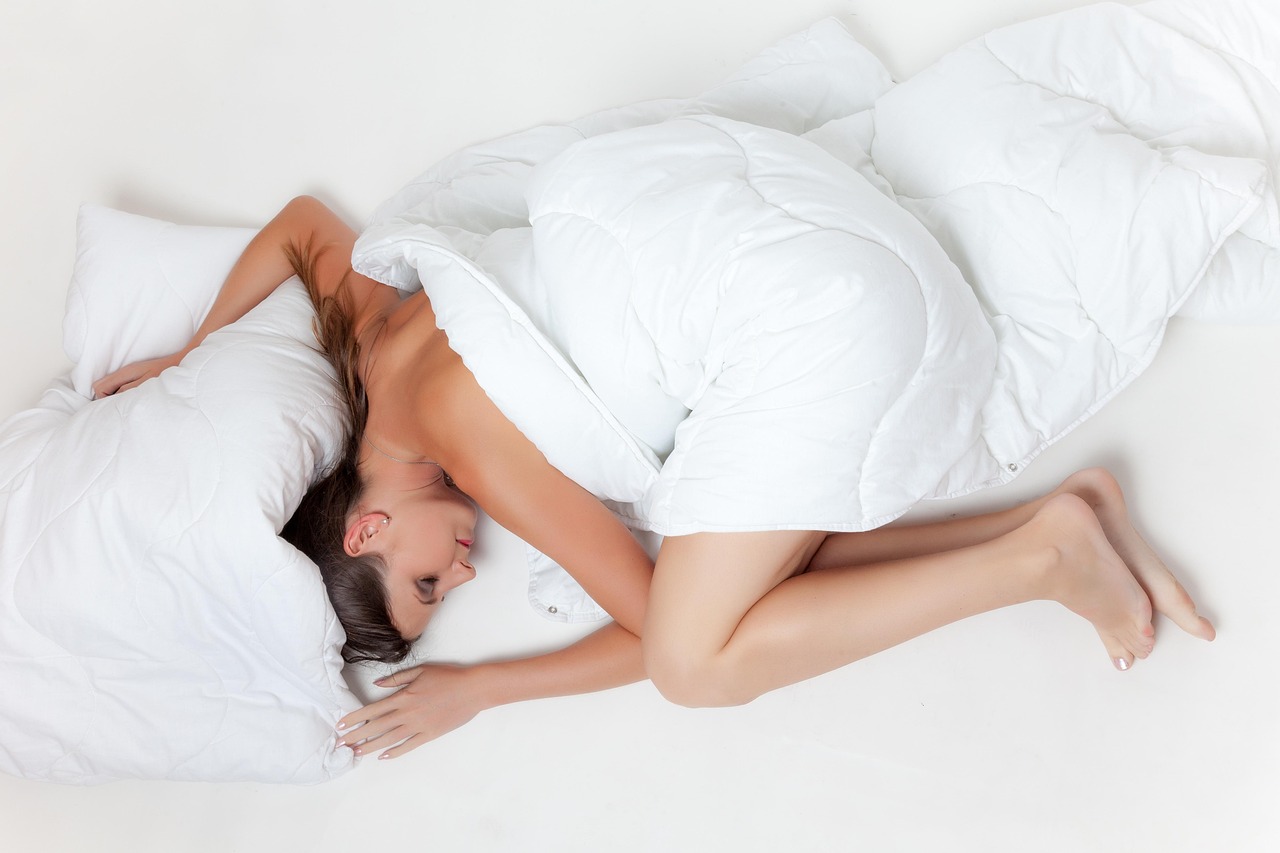
The fetal position is another popular choice, particularly among athletes seeking comfort and security during sleep. This position, with knees drawn up and arms curled, provides a sense of curling up into a snug ball, which can promote relaxation. However, it is essential to strike the right balance with this position, as curling too tightly can hinder proper spinal alignment. Just like side sleeping, the fetal position can be beneficial for pregnant athletes as it improves circulation and oxygen delivery to the fetus. For athletes, this can enhance sleep quality due to reduced pressure on the joints. However, while this position can allow for comfort, excessive curling may lead to stiffness in the morning. As such, maintaining a more relaxed version of the fetal pose could prove beneficial in ensuring proper alignment. Athletes should also use pillows strategically to support the neck and spine during sleep. Ultimately, experimenting with sleep positions is vital and taking note of how changes can impact recovery and performance adds substantial value. Prioritizing adequate rest remains crucial for overall performance sustainability for any athlete.
Importance of Pillow Support
Pillow choice and placement play significant roles in enhancing sleep quality for athletes. The right pillow can support the head and neck, promoting proper alignment in various sleep positions. Athletes should opt for pillows tailored to their preferred position, as this can greatly influence the depth of sleep achieved. For example, side sleepers may require firmer pillows to bridge the gap between the shoulder and head, while back sleepers may need softer pillows for neck support. Stomach sleepers can benefit from thinner, softer pillows that minimize neck strain. Experimenting with different pillow types can yield positive results in the overall sleep experience. Additionally, athletes should consider elevation and the angles in which pillows are used; for instance, slightly elevating the head can alleviate snoring or breathing problems. Creating a customized sleep environment with strategically placed pillows can lead to improvements in recovery rates, sleep quality, and overall athletic performance. Athletes are encouraged to take note of how different pillows affect their comfort throughout the night. Prioritizing pillow support can thus be a game changer in an athlete’s journey towards achieving peak performance.
Establishing a consistent bedtime routine is essential for athletes seeking deep REM sleep. This routine signals the body when it is time to wind down, encouraging better sleep patterns. Implementing a series of rituals leading up to bedtime can help athletes transition from daytime activity to restful sleep. Such rituals could include activities like gentle stretches, reading, or incorporating relaxation techniques such as meditation or warm baths. Limiting screen time from electronic devices prior to sleeping can prevent disruption in melatonin production, allowing for better sleep quality. Additionally, crafting a comfortable sleeping environment is crucial for promoting deeper REM sleep. Athletes should focus on decluttering their sleep space, keeping the room dark, cool, and quiet, which can significantly enhance overall sleep quality. Through maintaining a regular sleep schedule, athletes will find that they can enhance their rest dramatically. Prioritizing quality sleep is not just essential for achieving physical goals, but it also significantly impacts mental acuity and emotional well-being. In this way, developing and maintaining a sleep routine can greatly facilitate improved performance outcomes, ultimately supporting an athlete’s journey toward success.
Conclusion: The Impact of Sleep Positions
In conclusion, the importance of sleep position in promoting deep REM sleep for athletes cannot be overstated. Each position carries unique benefits and potential drawbacks, influencing the overall quality of sleep received. By experimenting with different positions, athletes can determine what works best for them, ultimately improving their recovery and performance both physically and mentally. It’s essential for athletes to prioritize their sleep as a vital component of training regimens, as quality rest enables peak athletic performance. Factors such as pillow support, establishing bedtime routines, and creating optimal sleep environments all contribute to the enhancement of sleep quality. Athletes stand to benefit significantly from incorporating these practices into their nightly routines. Awareness and education around sleep positions can empower athletes to take control of their recovery processes. Prioritizing adequate sleep will ensure long-term health and success in their athletic endeavors. The partnership between sleep and performance is clear, and athletes are encouraged to nurture healthy sleeping habits to achieve their goals. Ultimately, making sleep a priority can lead to profound improvements, ensuring athletes remain competitive at their best levels.