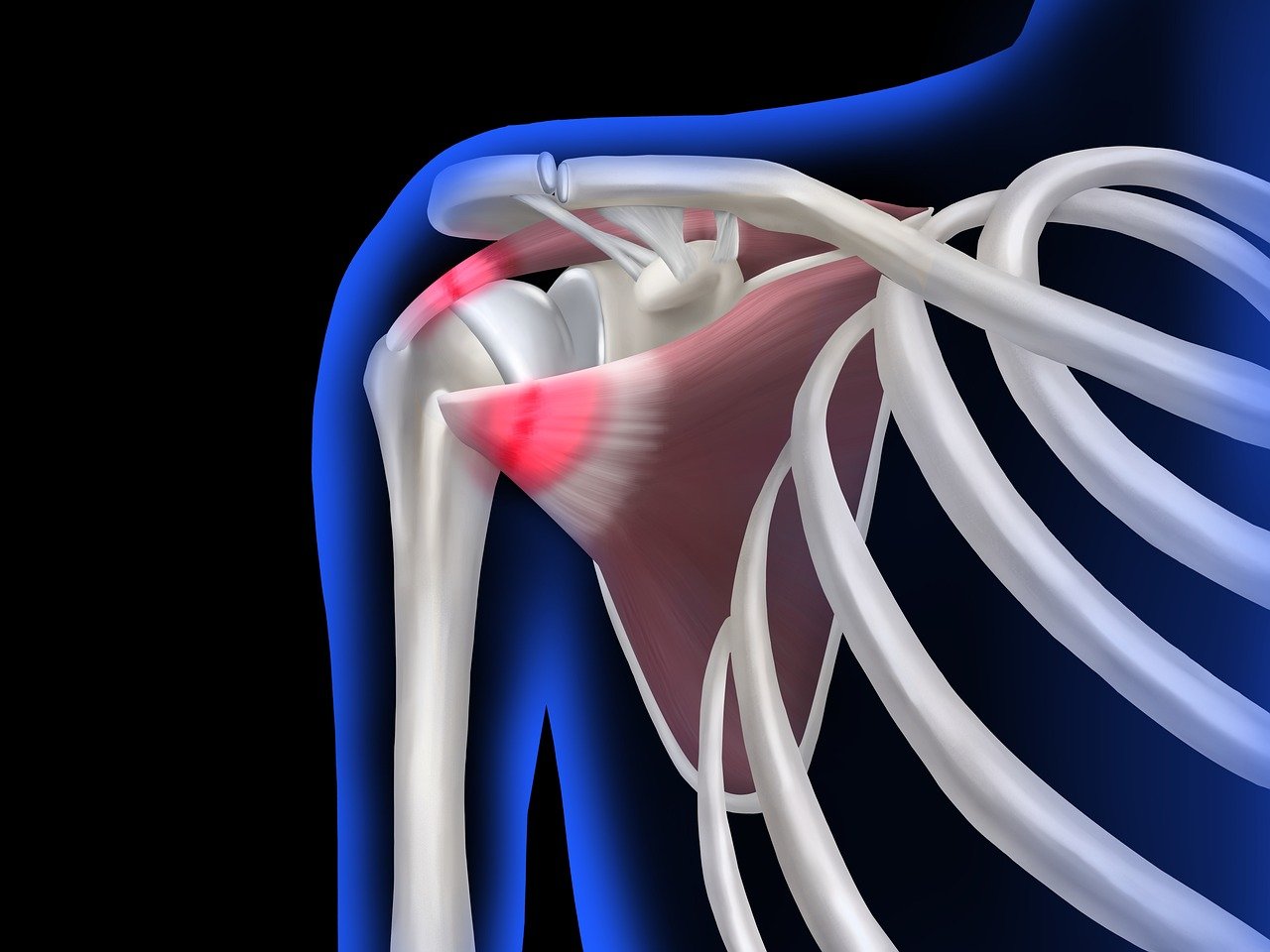

The Biomechanics of Throwing and Its Effect on the Shoulder
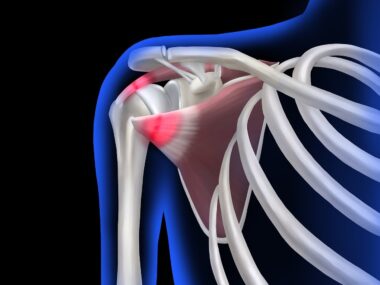
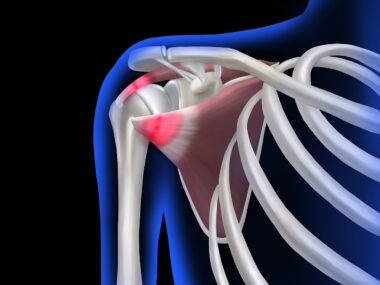
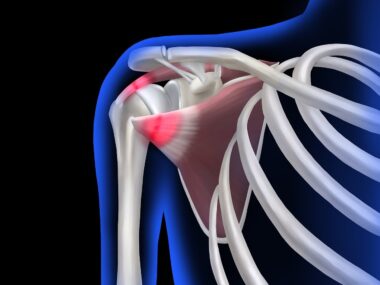
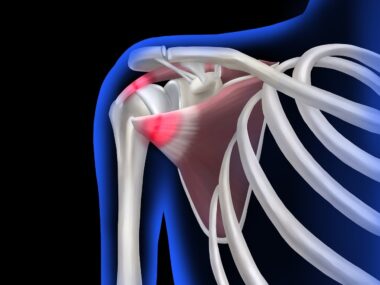
The biomechanics of throwing is a pivotal aspect of sports medicine, particularly when examining shoulder injuries. When athletes throw, a complex interaction occurs between the muscles, tendons, and ligaments, which ultimately influences shoulder health. Every throw involves a sequence of phases: wind-up, acceleration, deceleration, and follow-through. Inadequate mechanics during any phase can lead to overuse injuries in the shoulder, which are prevalent among athletes in various sports, especially baseball. Over time, repeated stress can cause tissue damage, potentially resulting in conditions such as rotator cuff tears and impingement syndrome. The shoulder joint’s unique structure allows for a wide range of movement but also makes it susceptible to injury if not stabilized properly. Strengthening the surrounding muscles through targeted rehabilitation exercises can help prevent injuries significantly. Additionally, educating athletes about proper throwing techniques can lead to improved biomechanics. Understanding how alterations in throwing strategies affect shoulder mechanics is critical in sports medicine. Therefore, it is essential to incorporate biomechanical assessments into the evaluation of shoulder injuries, ensuring a comprehensive approach to treatment and prevention.
Among throwers, injuries commonly result from overuse, incorrect mechanics, or sudden increases in intensity. Understanding these factors provides insight into injury prevention and recovery strategies. Experts recommend incorporating specific exercises to fortify the rotator cuff muscles, ensuring better support for the shoulder during high-intensity throws. Joint stability can be enhanced by working on shoulder mobility and flexibility, crucial for maintaining a proper range of motion throughout a throwing motion. Additionally, addressing any muscle imbalance is critical, as inadequate strength in one area can lead to compensatory stress elsewhere. An integrated approach combining strength training, proper technique, and rehabilitation is vital for athletes aiming to minimize shoulder injuries. Research highlights the importance of individualized training programs tailored to each athlete’s specific needs and physical conditions. Moreover, maintaining a gradual increase in workload can help avoid the sudden strain that often leads to injuries. Ensuring thorough warm-up and cooldown routines can also play a significant role in preparing the shoulder for activity and promoting recovery post-performance. A holistic understanding of these biomechanics can help athletes stay on the field and perform at their best.
The Role of Shoulder Mechanics in Throwing
The shoulder’s overall mechanics significantly determine performance and susceptibility to injuries in sports. By understanding the mechanics involved in throwing, athletes can better appreciate the forces exerted on their shoulders during each throw. The kinetic chain, which encompasses the entire body from the legs to the shoulder, must function optimally to generate maximum speed and efficiency. Any disruption in this chain can lead to undue stress on the shoulder joint, increasing the risk of significant injuries. Proper kinematic sequencing, where movements cascade smoothly from the legs to the shoulder, ensures that forces are distributed evenly, minimizing stress on any one part of the shoulder. Mechanics that facilitate excellent follow-through can reduce the abrupt forces exerted at the shoulder, thus preserving its integrity. An awareness of this interconnected system can aid coaches in designing training protocols that reinforce correct movement patterns and prevent injuries. Video analysis and biomechanics software are indispensable tools for identifying inefficient throwing techniques. Addressing these factors can lead to better performance outcomes and enhanced safety for athletes engaged in throwing sports.
Rehabilitation after shoulder injuries necessitates a structured program tailored to individual needs. Such programs must focus on restoring mobility, strength, and function while addressing the underlying biomechanical issues. Strengthening exercises targeting the rotator cuff and deltoid muscles are instrumental in safeguarding the shoulder against future injuries. Additionally, implementing proprioceptive training can aid in enhancing coordination and balance, further protecting the joint during dynamic athletic activities. Stretching and flexibility exercises should also be incorporated to maintain optimal range of motion, which is vital during the throwing motion. Consultation with sports medicine professionals can provide personalized insights, particularly concerning the timing of when to safely return to sports. Often, an appropriate return-to-play protocol incorporates gradual increases in throwing volume and intensity, allowing the shoulder to adapt progressively. Monitoring for any signs of pain or discomfort is essential throughout the recovery process. Finally, implementing ongoing maintenance strategies post-rehabilitation can help sustain shoulder health. These practices should become integral parts of every athlete’s training regimen to optimize performance and prevent re-injury in the long term.
Preventive Measures for Throwing Athletes
In addition to rehabilitation, prevention measures are crucial for athletes engaged in throwing sports. Implementing a comprehensive preventive strategy involves a multi-faceted approach, integrating strength training, flexibility, and proper mechanics. Educating athletes about their body’s signals can help them identify early signs of fatigue or discomfort, which might indicate the need for rest or modification of activities. Age-appropriate and sport-specific training programs are essential, particularly for younger athletes whose bodies are still developing. Focusing on long-term athletic development can instill sound habits early, reducing the likelihood of injuries later on. Maintaining proper hydration and nutrition can also contribute to overall musculoskeletal health, enhancing an athlete’s performance while helping mitigate injury risks. Regular assessments by sports medicine professionals can monitor athletes’ shoulder health and detect potential issues before they escalate into major injuries. These proactive measures not only protect the athlete’s health but also promote longevity in their sports careers. Coaches play a pivotal role in fostering a culture of health and safety, emphasizing the importance of listening to one’s body and allowing adequate recovery time.
The integration of technology in sports also plays a role in understanding throwing biomechanics. Wearable technology, motion capture systems, and biomechanical analysis tools are invaluable for assessing an athlete’s performance and injury risk factors. Such technologies can provide real-time feedback, allowing athletes and coaches to make immediate adjustments. For instance, analyzing throwing patterns can help identify abnormal movements that place undue stress on the shoulder. This data-driven approach empowers athletes to refine their technique, leading to improved performance outcomes and reducing the likelihood of injury. Additionally, educational workshops and seminars can help raise awareness among athletes and coaches regarding the latest advancements in injury prevention and rehabilitation. Collaborating with sports scientists and clinicians fosters an ecosystem where knowledge is shared, enhancing the overall understanding of shoulder health in athletes. Investing in such technological advancements promises to redefine sports training and rehabilitation practices, ultimately benefiting athletes on their journeys to excellence. Engaging with these innovations is essential for the continual evolution of sports medicine and biomechanics.
Conclusion: Advancing Sports Medicine in Shoulder Health
In conclusion, understanding the biomechanics of throwing and its effect on the shoulder is vital for enhancing sports medicine practices. Athletic performance is inherently tied to the health and stability of the shoulder joint. Continuous research into biomechanics will lead to improved training and rehabilitation protocols benefiting throwing athletes. The implementation of evidence-based practices, reinforced by technology and education, promises a future where shoulder injuries are minimized, and athletes can thrive in their sports without fear of injury. Collaborating across disciplines, from biomechanics to sports psychology, creates a holistic approach to athlete wellbeing. Enhanced awareness and better educational resources can empower athletes to take proactive measures in maintaining shoulder health. As new insights and innovations emerge, the sports medicine community must remain at the forefront, adapting to the evolving needs of athletes. Promoting an integrated approach that balances performance, prevention, and recovery is crucial for fostering resilience against shoulder injuries. Together, athletes, coaches, and medical professionals can create a safer environment that prioritizes longevity and enhances the overall quality of sports participation.