
Understanding ‘Set’ in Rowing and How It Affects Balance
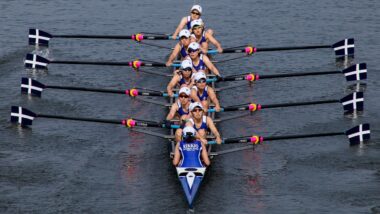
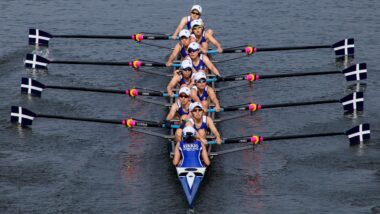
In rowing, the term ‘set’ is critical as it directly influences the balance and stability of the boat. The set focuses on how the boat is leveled during rowing, allowing the rowers to maintain momentum and power throughout each stroke. Proper setting ensures that the boat doesn’t list to one side or the other, which could hinder performance. A well-established set aids in steering, allowing rowers to navigate effectively, especially when racing. Factors affecting set include the weight distribution of the crew, the environmental conditions, and the dynamics of each rower’s movement. Rowers must be mindful of their lift and lean while executing their strokes to achieve an optimal set. When the set is correct, rowers will feel more in sync with the rhythm of the water as they glide through it. Learning to control the set takes practice, but it becomes one of the easiest aspects of rowing to master. Support from coaches and experienced rowers can significantly accelerate this learning curve, providing valuable insights that will enhance balance and positioning.
The Importance of Balance in Rowing
Balance is paramount in rowing not only for the efficiency of strokes but also for the safety of the crew. Maintaining a precise balance minimizes drag in the water, which is essential during competitive races. A loss of balance can lead to capsizing or inefficient rowing, thus understanding the set becomes vital. Each rower must constantly adjust their positioning and force exerted to keep the boat stable. The concept of ‘set’ integrates the importance of the crew’s weight distribution, which must be equally shared across the boat. This balance possibly dictates the boat’s speed, maneuverability, and overall performance. Rowers must communicate effectively with each other to ensure that any shifts in weight are compensated, allowing for a steadier ride. Practicing techniques such as the sculling motion, preparing for different water conditions, and undertaking drills to improve balance will enhance crew dynamics. By focusing on maintaining a proper set, rowers can better harness their individual strengths while propelling the boat forward harmoniously. Balance training can significantly influence the crew’s cohesiveness during both training sessions and races.
Rowing is more than just physical strength; it demands precision and technique. A proper set signifies that rowers understand their boat’s dynamics and can adjust accordingly. It not only makes for a smoother ride, but it also allows rowers to engage their core and legs more effectively. When the boat is level, rowers can maximize their power output without fearing capsizing. This experience builds confidence within the crew, encouraging them to push limits and explore new techniques. It’s noteworthy that each type of boat may require different approaches to achieving the desired set. For instance, sculling boats may require more emphasis on maintaining a flat position, whereas sweep boats prioritize synchronized strokes. Understanding these nuances encourages adaptability among rowers, further strengthening their overall skills. Additionally, there are various drills and practices that can help improve a rower’s capability to achieve the correct set. These may include exercises that focus on core strength and balance across various terrains. The integration of these practices allows rowers to work as an efficient unit throughout training and competitions.
Techniques to Improve Set
To enhance the set in rowing, coaches often implement specific drills centered on balance and timing. These drills typically involve partner rowing or using ergometers to simulate the boat’s movement without risk factors associated with water. Team exercises, such as synchronized feathering and sculling drills, can help instill a sense of timing and coordination among crew members. When practicing in pairs or small groups, rowers can pay attention to each other’s movements, allowing them to adjust and inform their balance effectively. Additionally, focusing on maintaining a low center of gravity while rowing contributes greatly to stability. Strengthening exercises targeting core muscles can improve balance significantly, which is fundamental for a good set. Rowers should consider integrating exercises into their training routines, focusing on both upper and lower body strength. Finally, meditation or visualization techniques can also be beneficial. Imagining the boat gliding effortlessly through the water while maintaining the perfect set can subconsciously train the mind to recreate that balance during actual rowing.
Feedback plays an essential role in the enhancement of rowers’ techniques regarding set. Coaches who provide constructive critique can help rowers identify areas needing improvement. This feedback nurtures an environment of growth as rowers become more aware of their body mechanics and how they affect balance. Self-assessment is another valuable tool; rowers can observe their performances or train with video analysis to see how their movements influence the boat’s set. This feedback loop is integral for developing awareness and understanding of balance. In addition to practicing drills, rowers should also focus on maintaining a conversation with their crew members regarding their experiences and challenges they face, thus supporting group learning. Collaborating to reiterate the importance of balance and proper set can significantly affect the team’s performance. Symptoms of improper set should not only be addressed during intense practice sessions but also during recovery or downtime. Continuous improvement in this area can ripple throughout the team, building stronger and more cohesive rowers who excel in competitive scenarios.
Understanding the Science Behind Set
The science behind the ever-important ‘set’ in rowing can be intricate yet fascinating. It involves concepts from physics that govern balance, momentum, and forces at play. Rowers working together must understand how their individual movements conflate to determine the boat’s trajectory and tilt. Each stroke alters the center of gravity, and rowers must work in synchronization to ensure stability. An imbalance can affect the physical properties of the water, leading to increased drag and a subsequent loss of speed. The interplay between the rowers’ compression, extension, and timing formulates the necessary balance and efficiency in each stroke. Additionally, environmental factors cannot be overlooked. Wind and water currents can impact the set; therefore, rowers must remain adaptable to these outside forces. The understanding of pressure dynamics is useful, as it illustrates how external stimuli influence their internal balance. This knowledge empowers rowers to make informed decisions during practice and racing alike. Enhancing their scientific awareness equips crew members with a profound understanding of their craft and an ability to optimize performance strategies effectively.
As rowers advance in their skills and understanding of ‘set,’ it becomes imperative to remember the emotional connection they share with their sport. The mental aspect plays a powerful role in achieving balance and optimal performance. Confidence and focus can significantly affect how a rower feels about maintaining the correct set. Mental training can be as crucial as physical preparation. Techniques such as stress management, visualization, and goal-setting should be implemented. Rowers who commit to building mental discipline often outperform their peers, showcasing the synergy between mental resilience and physical resolve. Furthermore, maintaining a strong team atmosphere encourages camaraderie and support. A positive attitude can enhance crew morale, making working on set techniques feel enjoyable rather than burdensome. Building relationships through shared experiences fosters trust and interconnectedness among rowers, ultimately reflecting in improved teamwork. To summarize, the journey toward mastering the art of set in rowing combines practical techniques, scientific understanding, and emotional awareness. This holistic approach empowers rowers to channel their potential and realize both individual and collective triumphs in the sport.
Whether you are an experienced rower or just starting your journey, understanding the importance of set will profoundly influence your rowing experience. Focusing on achieving balance through a proper set can enhance performance and deliver exhilarating experiences on the water. Proficiency in rowing doesn’t merely stem from strength; it encompasses technique, practice, and a strong commitment to team synergy. Rowing is ultimately a unity of body and mind, and those who embrace this philosophy often find themselves drawn to the water time and again. The dedication to developing the skills necessary for maintaining a good set will pay dividends in competitive environments, making each stroke feel impactful. Mastering this crucial aspect allows rowers to push their boundaries, striving for excellence while enjoying the ride. Goals should be set not just for racing, but also for improving personal techniques, leading to ongoing progress. As you continue your rowing journey, remember to focus on refining your set. Listen to your coach and teammates, adapt your training methods, and draw on shared experiences. Ultimately, the joy of rowing lies in mastering both the physical and mental elements, creating unforgettable memories along the way.