
Wearable Payment Technology: NFC’s Role in Fitness and Sport
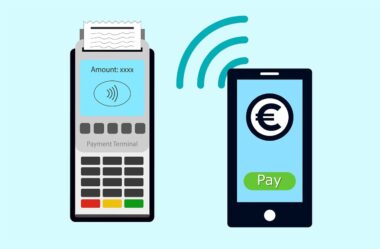
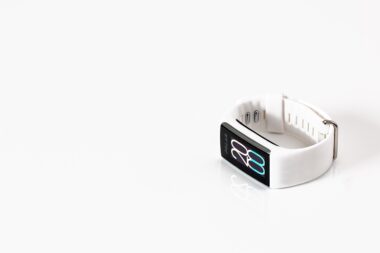
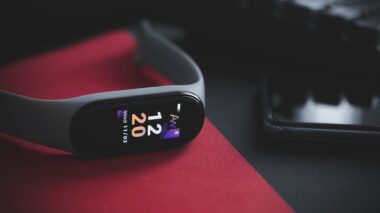
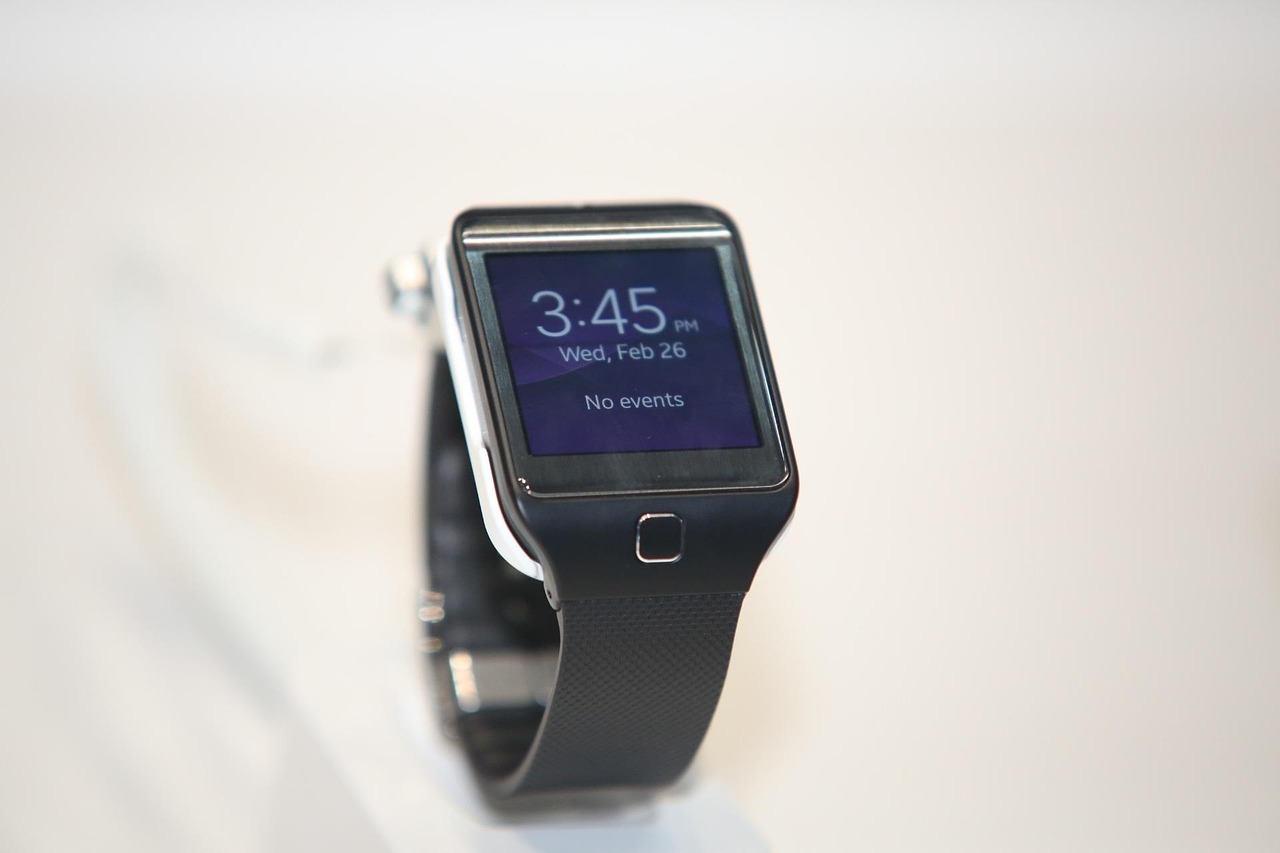
As fitness technology continues to advance, wearable payment solutions leveraging Near Field Communication (NFC) are becoming increasingly popular. NFC enables secure transactions with a simple tap, allowing users to make purchases seamlessly during workouts. These wearables integrate fitness tracking capabilities with payment options, enhancing convenience for athletes. For example, fitness bands and smartwatches equipped with NFC technology allow users to pay for drinks, gear, or classes without the need to carry cash or cards. The merging of fitness tracking with payment systems reflects a shift towards a more integrated lifestyle. Users appreciate the efficiency, which eliminates the need to disrupt workout routines. This integration also promotes healthier living by enabling access to nutritional products while maintaining momentum in a workout. As NFC-enabled wearables gain traction, they encourage fitness enthusiasts to engage more deeply in their training. Key brands are prioritizing these features to attract tech-savvy consumers seeking multifunctional devices. The evolution of consumer behaviors shows a growing acceptance of technology in everyday health practices, further fostering a market ripe for expansion and innovation.
Convenience and Efficiency of NFC in Fitness
The convenience of NFC technology has revolutionized the way fitness enthusiasts approach transactions during their routines. Imagine running on a treadmill and being able to purchase a smoothie at the gym cafe simply by tapping your smartwatch. This revolutionary capability eliminates the hassle of carrying physical payment methods, ensuring that workouts remain uninterrupted. The beauty of NFC is its speed; transactions can be completed in seconds, which is crucial when one is focused on maintaining their fitness. This time-efficient payment system also encourages impulse purchases of healthy snacks or gear that support wellness goals. Users no longer have to wait in long lines or remove equipment just to grab a quick drink. Security is another significant advantage. NFC employs encrypted protocols to safeguard personal and financial information during transactions, giving users peace of mind. As more fitness centers adopt this technology, the market for wearables featuring NFC will only grow. Fitness clubs recognize that providing seamless payment experiences enhances overall customer satisfaction, thereby attracting more members. Thus, NFC wearables not only serve functional purposes but also represent a lifestyle shift toward seamless health technology.
The integration of NFC technology also brings unique advantages for athletes wanting to track their expenditure. Monitoring spending habits can become a vital aspect of maintaining a balanced lifestyle, especially for fitness professionals. Wearable devices equipped with NFC payment features can store transaction history, helping users manage their budgets effectively. This can be particularly beneficial during events where merchandize sales become accessible instantly. Additionally, being able to evaluate spending depends heavily on purchasing patterns. With wearables tracking both fitness data and expenditures, users can consistently assess their financial decisions as they relate to their health and wellness. This dual-functional approach encourages accountability amongst users and reminds them of their objectives. Establishing alerts and notifications for certain spending limits can be beneficial, guiding users in aligning their financial habits with fitness goals. Fitness organizations may also benefit from presenting exclusive offers through these payment wearables. Engaging in promotions fosters community while ensuring participants remain conscious of their choices. Another advantage is that most users appreciate receiving rewards or loyalty points through partnered payment systems, further incentivizing the usage of NFC wearables within fitness environments.
The Future of NFC Wearables in Sports
Looking into the future, NFC wearables in the sports sector will likely evolve significantly. With continuous advancements in technology, features will become more sophisticated, linking wearables with health monitoring. For instance, fitness devices may soon collect and analyze biometric data, sending alerts tied to expenditure. Imagine receiving a notification that a particular supplement can help recharge energy right after an intense training session. An ideal scenario is predictive analytics determining what products athletes require- precisely when they need them. This predictive ability adds another layer of convenience and focus to training, harmonizing purchasing and fitness objectives. Additionally, we can expect increased compatibility across various platforms where wearables interact with kitchen appliances to automatically re-order supplies. These innovations will fundamentally redefine commerce within the fitness community, urging consumers to adopt a lifestyle where health and transactions go hand-in-hand effortlessly. Sporting events may also witness the incorporation of NFC technologies, enabling easier access to merchandise and facilities. The analysis of spending data could further tailor merchandise offerings that align with big events, amplifying participant engagement and satisfaction.
Despite the excitement surrounding NFC technology in wearables, challenges remain. One hurdle is the initial investment for manufacturers trying to integrate payment technologies into existing devices. As the demand for multifunctional wearables rises, production costs may lead to higher retail prices, which might limit access for many users. Education on the security and functionality of these devices is essential to resolve skepticism among potential users. Furthermore, it is essential for brands to ensure interoperability among various payment systems globally. Standardization will facilitate wider acceptance and growth of NFC wearables. Consumers need assurance that their devices will work seamlessly with various vendors, irrespective of geographic locations. Addressing these concerns could foster a more supportive environment for the evolution of wearable payment technology in fitness. The collaboration between hardware manufacturers, payment providers, and retailers is crucial in driving this acceptance. Such alliances can reveal trending patterns to inspire further improvements in technology, ensuring wearables continuously evolve in alignment with consumer demands. Moreover, setting transparent and user-friendly policies surrounding data privacy can establish crucial trust between consumers and manufacturers.
Health and Safety: NFC’s Contribution
NFC technology’s contribution to health and safety cannot be overlooked as it integrates deeply within fitness ecosystems. With wearable payment devices, users enjoy enhanced safety while exercising, particularly in public spaces. The absence of cash diminishes robbery risks and provides psychological comfort, allowing users to focus fully on their fitness routines. Athletes can access nutrition without losing sight of their surroundings, which is vital in high-traffic areas. Furthermore, NFC wearables contribute to health tracking by monitoring patterns related to nutrition purchases. Users can potentially receive tailored nutritional regimens based on their spending habits at health food stores or cafes. Drawing connections between spending and fitness results allows the creation of fitness plans that center around nutritional practices. This transformation underscores the importance of adopting intelligent wearables that extend beyond conventional fitness features. Wearable devices utilizing NFC technology can help educate users regarding their choices, instilling mindfulness. As brands and developers become more aware of these benefits, they will prioritize the integration of health management systems into wearables. These developments will ultimately solidify the relevance of NFC technology in the fitness and sports sectors.
In conclusion, the emergence of NFC-enabled wearables is transforming the fitness landscape. These devices symbolize a fusion of technology, convenience, and health consciousness. The integration of payment capabilities directly into fitness devices mitigates several barriers associated with traditional purchases, ultimately promoting spontaneous healthy choices. As the fitness industry evolves, NFC technology will assume a more prominent role in creating user-centric experiences. By continuously marrying fitness tracking and transaction capabilities, these wearables will help foster healthier populations. Furthermore, the ongoing advancements in NFC technology will likely lead suppliers to offer broader service ecosystems. Such ecosystems encourage community members to support one another toward achieving health-related goals. While challenges persist in terms of interoperability and security, tackling these barriers will unveil rewarding opportunities for innovation. The future landscape of fitness technology and wearables looks increasingly promising, as brands invest significantly in making NFC capabilities more accessible to the broader market. Ultimately, NFC wearables not only enhance fitness experiences but also drive collective engagement in achieving wellness objectives.