
Beginner’s Guide to Snorkeling: Tips and Techniques
Snorkeling is an exciting way to explore underwater life while enjoying the beauty of marine ecosystems. Beginners often wonder how to start snorkeling safely and effectively. Prior to entering the water, a good understanding of snorkeling gear is crucial to ensure an enjoyable experience. Essential equipment includes a snorkel, mask, and fins. Make sure the mask fits tightly to your face, allowing you to see clearly underwater. Furthermore, the snorkel should be comfortable, ideally allowing easy inhalation and exhalation. Fins provide propulsion, making it easier to swim over long distances while minimizing fatigue. Before heading to the water, practice breathing through the snorkel in shallow water. Trying out the gear on the beach can help build confidence before diving deeper. It’s advisable to find a beginner-friendly spot, where visibility is good and currents are minimal. Checking local weather conditions is also key. Water temperatures and currents may vary, impacting your overall snorkeling experience significantly. Always prioritize your safety and the safety of others. If unsure about the area, seek advice from local guides or experienced snorkelers.
Choosing the Right Location
When planning your snorkeling adventure, selecting the right location is vital for an enjoyable experience. Consider destinations known for their clear waters and abundant marine life. Popular snorkeling spots often feature coral reefs teeming with colorful fish, starfish, and other underwater wonders. Researching various locations beforehand can give you insights into what to expect. Some ideal beginner locations include shallow lagoons or protected bays that are less prone to strong currents. These calmer waters allow you to focus on your technique rather than worrying about challenging conditions. Online forums and travel guides can help pinpoint suitable locations, offering recommendations on the best times to visit. It’s also wise to check for necessary permits or regulations beforehand to avoid surprises. Local dive shops or snorkeling tours can provide expert guidance in selecting a good spot. They often have experienced staff who are familiar with the water conditions and can help ensure a safe experience. Remember to consider your skill level and preferences. Also, evaluate factors like access to amenities, rental gear, or the availability of snorkeling tours to enhance your adventure.
Having the right technique is fundamental in becoming an efficient snorkeler. Start by practicing floating on the water’s surface, allowing yourself to get comfortable before moving into deeper areas. When you are ready to swim, keep slow and measured strokes to conserve energy while minimizing splashing. Remember to breathe calmly and steadily through the snorkel to maintain relaxation. If you encounter discomfort or difficulty in breathing, don’t hesitate to resurface to adjust your gear. Maintaining a horizontal position while snorkeling is key—it helps improve visibility and minimizes drag from the water. Consider looking down when gliding, as this naturally channels your movement and prevents getting disoriented. Frequent, gentle kicks with your fins allow for greater propulsion without exhausting yourself. As you become more experienced, you may want to dive slightly deeper to explore intriguing underwater formations or marine wildlife. Always remember to dive responsibly, avoiding touching corals or disturbing wildlife, as this helps protect fragile ecosystems. Observing marine life from a respectful distance creates an unforgettable, harmonious experience in nature.
Safety Precautions for Snorkeling
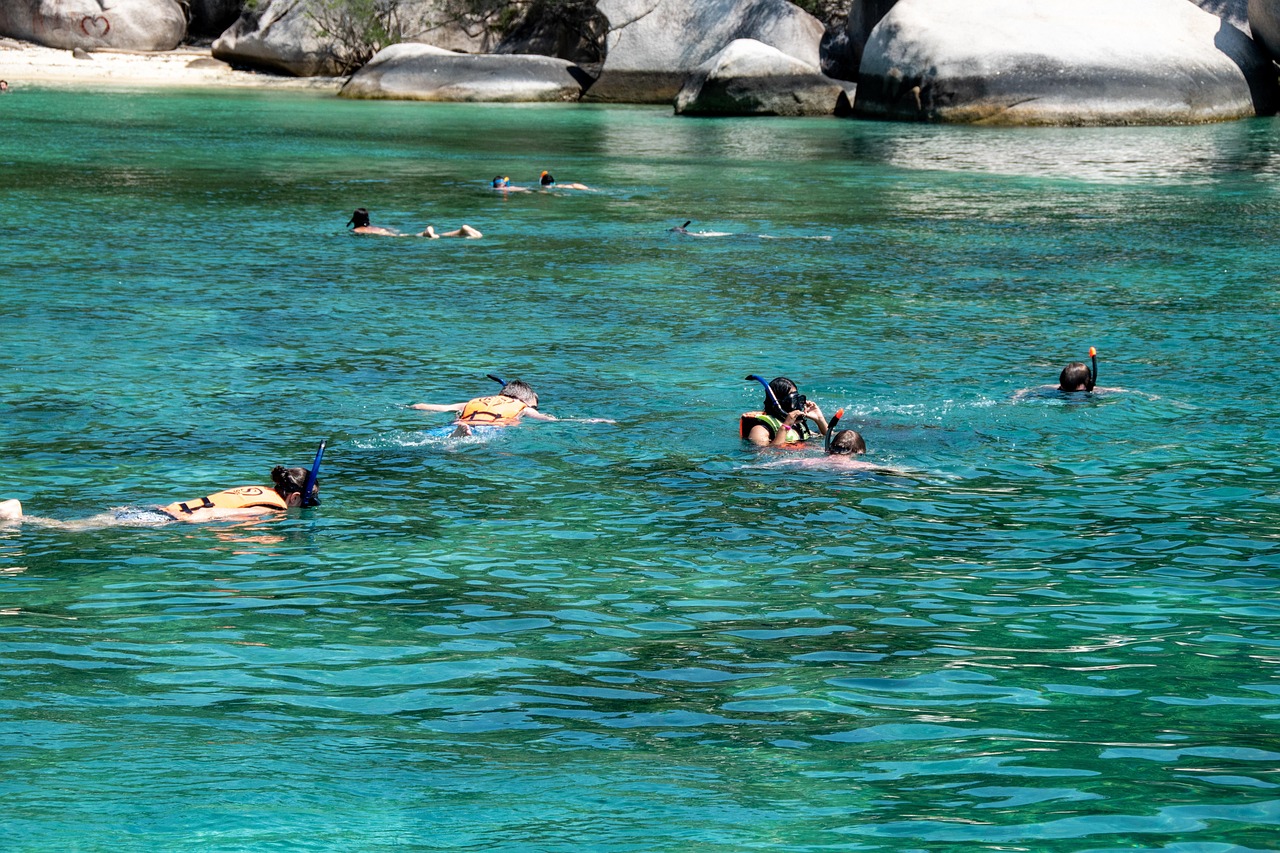
Prioritizing safety is essential when snorkeling, especially for beginners. Always snorkel with a buddy; this ensures that assistance is readily available in case of an emergency. It’s also important to stay aware of your surroundings, especially regarding incoming tides and currents. Before entering the water, familiarize yourself with local conditions, consider potential hazards, and identify areas of caution. Wearing a life vest or floatation device adds an additional layer of safety, particularly for inexperienced snorkelers. Ensuring that the vest fits well and provides comfort can enhance your level of confidence while exploring. Additionally, avoid consuming alcohol before your snorkeling adventure, as it impairs your judgment and coordination. Likewise, don’t hesitate to turn back if you feel uncomfortable, tired, or overwhelmed. Keeping a first aid kit on hand for minor injuries or disturbances can also prove valuable. Sunscreen is essential too; opt for reef-safe options to protect marine ecosystems. After the session, remember to hydrate and rest. Being mindful of these safety precautions will maximize your enjoyment while minimizing potential risks.
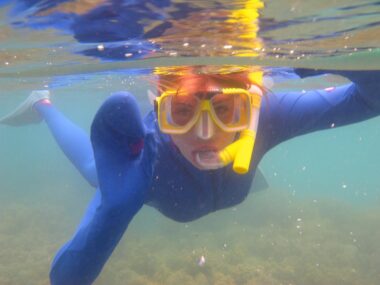
Underwater photography has become an increasingly popular aspect of snorkeling experiences. Capturing the beauty of marine life can enhance your snorkeling memories significantly. To get started, consider investing in a waterproof camera or a smartphone case that can withstand underwater conditions. Familiarize yourself with the camera’s settings beforehand, practicing shooting in both bright and low-light environments. Holding the camera steadily while ensuring your breathing is controlled will yield clearer images. Consider using a float strap to prevent accidental drops. Try varying your angles and distances for stunning shots that showcase the underwater environment. Always maintain a respectful distance from marine animals, avoiding direct interference with their habitat. Patience is vital; sometimes the most breathtaking moments happen unexpectedly. Natural lighting is optimal for underwater photos, so aim to explore during midday when visibility is highest. Moreover, you can participate in workshops focused on underwater photography techniques, allowing you to improve your skills and gain insights from experienced photographers. Sharing your underwater shots on social media can inspire others to embark on their snorkeling journeys.
Environmental Responsibility in Snorkeling
Being a responsible snorkeler goes hand-in-hand with enjoying and exploring the underwater world. Every snorkeler has the unique position to support the preservation of marine ecosystems. Respect local guidelines, which often emphasize minimizing your impact while snorkeling. Avoid touching corals or disturbing wildlife, as both activities can have detrimental effects on sensitive ecosystems. Always choose a designated path when entering the water to avoid damaging the seabed. Using reef-safe sunscreen is crucial to protect the delicate balance of marine life. Regular sunscreens contain harmful chemicals that can damage corals. Educating yourself about the local marine environment can empower you to make wise choices while snorkeling. Participate in organized beach cleanups or conservation initiatives to give back to the community positively. Supporting local businesses that prioritize eco-friendly practices further contributes to ocean conservation efforts. Consider becoming an ambassador for marine protection, advocating for responsible snorkeling practices among your friends and family. By enhancing your knowledge and understanding of marine ecosystems, you can foster a more sustainable relationship with the underwater world.
Snorkeling offers an incredible opportunity to connect with nature while enjoying a wealth of aquatic experiences. The journey from beginner to proficient snorkeler comes with learning, practice, and appreciation for marine life. Expressing gratitude for what you witness under the ocean encourages a deeper connection to the environment. Finding a snorkeling community can also enhance your skills, providing a space for sharing tips and experiences. Engaging with experienced snorkelers through forums or clubs can offer valuable insights into the best practices or gear recommendations. Additionally, participating in workshops can expand your understanding of ocean conservation and environmental stewardship, aligning your snorkeling adventures with eco-conscious values. Through education and awareness, you contribute positively toward marine conservation, ensuring that future generations can enjoy the ocean’s beauty as much as you do. Delve into the fascinating underwater world with an open heart and vigilant mind. The adventures await, so prepare to embark on memorable journeys that celebrate the wonders of snorkeling. Embracing this sport allows personal growth while nurturing respect for the oceans and their inhabitants.
Conclusion
Embracing snorkeling as a beginner can lead to fulfilling experiences amid vibrant marine life and stunning underwater landscapes. With a good understanding of snorkeling techniques, safety measures, and environmental responsibility, you will become a responsible and passionate snorkeler. Begin this exciting journey today and discover the joys of exploring the ocean. By following this guide and accumulating experience, your snorkeling skills will undoubtedly grow. With time and practice, you’ll unlock the mysteries of underwater adventures and share unforgettable moments with friends and family. Build your knowledge of local ecosystems and embrace respect for these fragile habitats as part of your snorkeler identity. Engage actively with fellow snorkelers and participate in initiatives focused on conservation efforts to protect marine environments. Whether you’re traveling to picturesque destinations or discovering hidden gems in your hometown, every snorkel can be an adventure. Aquatic exploration nurtures curiosity, leading to lifelong appreciation for oceans and aquatic life. So, dive in! Your snorkeling adventure is waiting, ready to inspire you for a lifetime. Share your enthusiasm, embrace the environment, and uphold the values of responsible snorkeling.