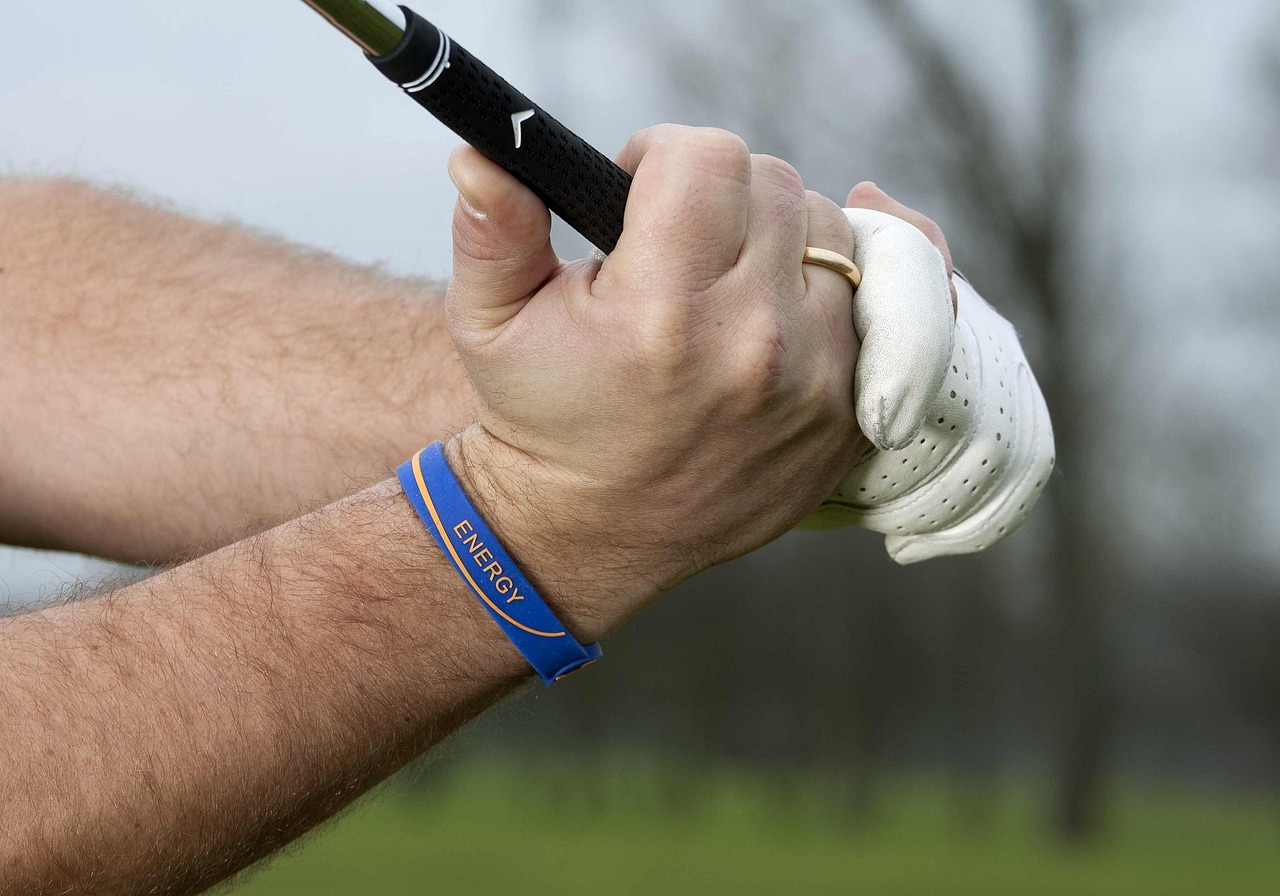

Golf Fitness: Integrating Balance and Coordination in Training
Balance and coordination are integral components of golf fitness, significantly affecting performance. For golfers, maintaining stability during a swing is crucial, as it determines accuracy and power. Engaging in specific drills can enhance these skills, benefiting players of all levels. One effective approach includes combining dynamic movements with stability exercises to foster proprioception. Through consistent practice, golfers can develop muscle memory that supports better postural alignment while executing swings. Additionally, enhancing balance can prevent injuries that often arise from poor coordination and stability during play. Exercises such as single-leg stands, stability ball workouts, and agility ladders can be integrated into a training routine effectively. These drills not only enhance physical performance but also build mental focus, allowing golfers to concentrate better on their shots. Moreover, the integration of balance and coordination drills can lead to improved flexibility and strength, setting the foundation for more powerful and controlled swings. In professional settings, trainers often emphasize personalized assessments to tailor specific balance programs for each golfer’s needs. As players make these techniques a part of their training, they can notice improvements in their overall game.
Incorporating balance and coordination drills into golf training routines helps maximize a player’s potential. The core of any golfing technique relies heavily on how well one can maintain balance throughout the swing. A secure stance while making contact with the ball is fundamental to success on the course. Exercises that focus on stability such as balance boards, kettlebell swings, or yoga poses can result in noticeable performance gains. Coaches often encourage their players to partake in sports that naturally develop these skills, such as hockey, martial arts, or even gymnastics, creating a rounded athlete. Additionally, practicing with resistance bands can enhance muscle engagement, vital for maintaining form during swings. Skill-based games that challenge coordination can also make training more enjoyable and engaging. Players might consider focusing on their footwork and leg strength as this directly contributes to better balance and increased power when using their driver. As a committed golfer, one should prioritize functional fitness practices that not only build balance but also help cultivate endurance and flexibility. Lastly, regular evaluations to track progress in balance can be incredibly motivating and foster a sense of accomplishment.
Specific Drills for Improved Performance
To sharpen balance and coordination, golfers should engage in targeted drills in addition to general fitness training. For example, the “single-leg deadlift” exercise can develop balance and strengthen supporting muscles. This movement demands attention to body alignment, which can improve overall swing mechanics. Another beneficial drill is the “stability ball wall squat” that assists in reinforcing core stability. Incorporating such drills into warm-ups prepares the body for movement patterns specific to golf. Moreover, players can utilize balance boards or BOSU trainers to create instability and heighten engagement of stabilizing muscles. These exercises can be adjusted in intensity and complexity as the player progresses. It’s essential to perform these drills frequently, as consistency is critical for efficacy. Furthermore, practicing movements that incorporate rotational patterns translates directly to swing mechanics. These patterns enhance fluidity in performance by allowing the golfer to develop adaptability on the course. As players engage in varied drills, they not only improve balance and coordination but also cultivate a better understanding of their body dynamics during play. Engagement in friendly, competitive training environments may likewise motivate golfers to practice consistently and reap benefits.
The psychological aspect of balance and coordination is often overlooked but plays a critical role. Mental focus is a key factor that can influence physical performance positively. Mindfulness practices that include visualization techniques can help golfers mentally prepare for maintaining balance during their swings. Engaging in deep breathing exercises or meditation can also reduce anxiety, enhancing coordination and clarity of thought on the course. A confident mind leads to a steadier body, making it easier to execute complex movements without hesitation. Developing a routine before hitting the course can enhance focus significantly and positively impact performance outcomes. Basic coordination tests such as tossing a ball while balancing can challenge and improve coordination skills. Additionally, practicing with a partner for drills can introduce an element of competition, making the experience fun and motivating. Seeking feedback from peers or trainers can prompt further development and foster a mindset of continuous improvement in balance and coordination factors. Coaches recommend setting specific, measurable goals related to balance and coordination skills, promoting a structured approach to improvement. Commitment to developing both physical and mental aspects ultimately constitutes a comprehensive golfing strategy.
The Role of Strength Training
Strength training complements balance and coordination drills, enhancing overall golf fitness. Building strength in core muscles, legs, and upper body allows for a stable swing while maintaining balance. Exercises like squats and lunges promote strength and stability and can be integrated seamlessly into golf-specific workouts. The dynamic stability that stems from strength training translates directly into improved balance on the golf course. Incorporating resistance training can lead to greater control and higher performance levels during play. Furthermore, integrating plyometric exercises can enhance explosive strength essential for powerful swings. A routine that includes exercises such as box jumps or medicine ball throws can yield great benefits, allowing golfers to harness power during their drives. It is crucial for players to tailor strength training programs to their specific needs, ensuring optimal results. Muscle imbalances can lead to stability issues, so identifying these weaknesses is essential. Regular assessments with a trainer can assist in targeting problem areas that require additional focus. Consequently, systematically building strength alongside balance drills fosters necessary adaptations for improved performance in golfers of all skill levels.
Nutrition also plays an important role in supporting balance and coordination training. A well-balanced diet fuels workouts and promotes recovery, making it essential for any golfer. Consuming adequate protein, carbohydrates, and healthy fats is paramount for maintaining energy levels and supporting muscle growth. Hydration cannot be overlooked either, as it impacts concentration and coordination during workouts. A focus on nutrient-dense foods ensures that golfers receive the vitamins and minerals necessary for optimal body function and performance. Specific foods such as leafy greens, lean proteins, and whole grains can enhance overall fitness levels and increase stamina while engaging in drills. Each player’s needs may vary, influencing dietary choices for optimal performance. Regular meals with a focus on timely nutrient intake can promote sustained energy both on and off the course. Additionally, maintaining flexibility through stretching or yoga can facilitate improved recovery and fitness, further strengthening the effects of drills. By taking a comprehensive approach that addresses nutrition, golfers can advance their training outcomes. Together, these elements create a well-rounded fitness program that emphasizes balance and coordination, leading to enhanced performance at every level.
Conclusion
Integrating balance and coordination into golf fitness training creates a pathway to improved performance and injury prevention. Developing these skills requires a commitment to consistent practice, focusing on targeted drills and overall body strength. In doing so, golfers can refine their skills and deepen their understanding of body movement. Trainers play a vital role in guiding golfers through personalized programs tailored specifically to individual needs. Engaging in drills that challenge balance and coordination facilitates significant improvements over time, leading to smoother, more controlled swings. Furthermore, combining mental aspects of training along with physical exercises promotes a holistic approach to golf fitness. Players are encouraged to track their progress regularly, noting improvements and areas needing attention. Incorporating variety into practice routines prevents monotony, keeping golfers motivated to push themselves in training. Ultimately, successful integration of these principles into practice will not only yield better results on the course but will instill a strong foundation for any golfer’s journey. With comprehensive training that emphasizes balance and coordination, golfers of all levels can succeed with a sense of confidence in their abilities, leading to a rewarding experience in the sport.