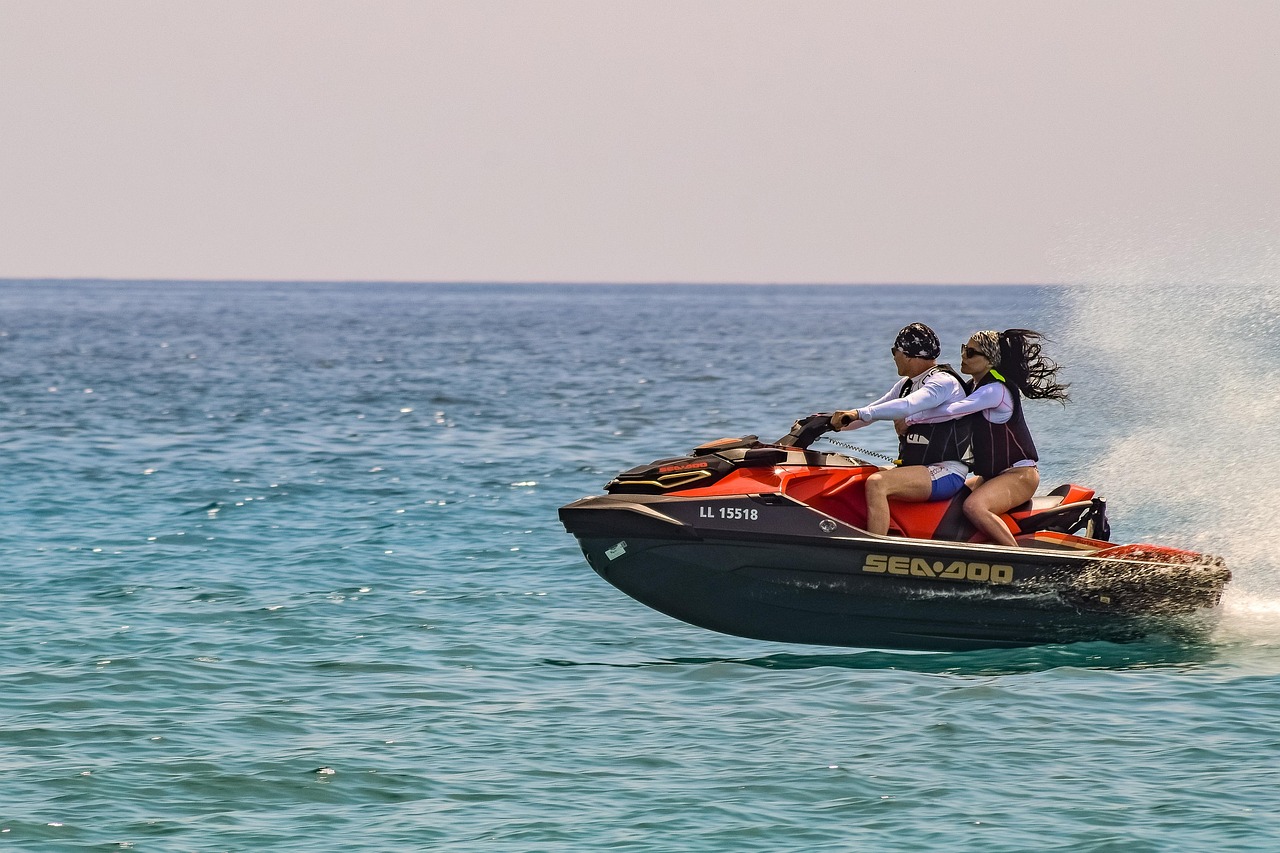

How to Improve Your Jet Ski Handling Skills
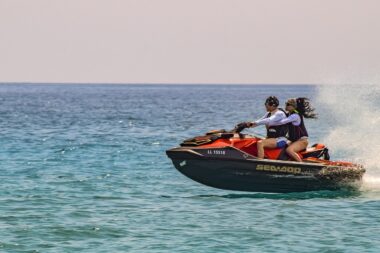
Improving your jet skiing skills involves a combination of practice, knowledge, and safety awareness. First, it’s essential to familiarize yourself with the controls and mechanics of your jet ski. Understanding the throttle, steering, and braking systems will empower you to operate your watercraft efficiently. The dynamics of jet skiing can vary significantly based on different water conditions. Start by practicing in calm waters before gradually moving to more challenging environments. Additionally, taking a professional jet ski handling course can provide you with valuable techniques and tips. Safety gear is also a key aspect of enhancement; always wear a life jacket, and consider using a wetsuit for added protection. Likewise, get accustomed to the weight and balance of your personal watercraft, as this will directly influence maneuverability. Finally, take time to observe experienced riders. Analyze their techniques and replicate their successful maneuvers. Meanwhile, stay updated on local water regulations to ensure a safe experience for yourself and others. Embrace learning and improvement, as being a skilled jet skier enhances not just your proficiency but also your overall enjoyment of the amazing water adventure.
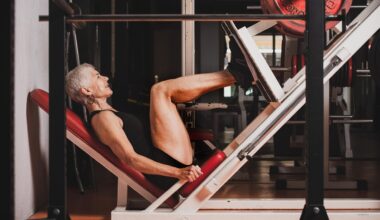
Developing your jet skiing technique also requires you to build necessary physical skills. Strength, flexibility, and coordination are vital elements that contribute to better handling. Core strength plays an especially significant role in maintaining balance on the jet ski. Engage in exercises such as planks or yoga to enhance your core stability. Furthermore, practice edging, which involves shifting your weight to control the ski’s movement. This skill allows you to navigate tight curves and avoid obstacles effectively. Additionally, consider focusing on your reaction time, as this can make a huge difference in your performance when facing unexpected situations. Work to improve your reflexes by participating in quick reaction drills or any sport that demands fast movements. By developing these key physical attributes, you will not only enhance your overall jet skiing technique but also make your rides more enjoyable and safer. Remember, practice is critical; consistency will lead to gradual improvements over time. Make it a habit to dedicate time each week to practice these skills while emphasizing safety and responsible riding. Also, don’t hesitate to ask for feedback from fellow riders or instructors to find areas where you can improve further.
Understanding Jet Ski Physics
Understanding the physics of jet skiing can significantly enhance your handling skills. The principles of hydrodynamics, including thrust, drag, and buoyancy play vital roles in performance. Thrust is generated through the jet propulsion system, which works by drawing in water and expelling it out at high velocity. The faster the thrust, the better your acceleration will be. However, be mindful of drag, which can slow you down. Factors affecting drag include water conditions and the weight of your jet ski. Thus, learning to manage these physics gives an edge when maneuvering. Buoyancy, providing your jet ski with the ability to float, is influenced by the distribution of weight on the craft. Leaning forward increases speed and control, while leaning backward prevents the nose from diving. Knowledge of how these elements interact will allow you to make informed decisions as you navigate different water terrains. Experimenting with these dynamics during practice sessions will solidify your understanding and inform your riding style. Finally, keep an eye on weather conditions as they can drastically affect the performance of your watercraft and your overall riding experience.
Another essential aspect to master is turning techniques. A sharp, controlled turn depends not only on your lean but also on throttle management. Begin by leaning into the turn, which shifts the weight forward and creates better traction, enhancing your cornering abilities. It’s crucial to maintain an appropriate throttle position during the turn. Gradually let off the throttle to avoid losing traction, but apply it again once you are through the corner. Learning how to anticipate the corner can help you adjust your speed and approach accordingly. Additionally, practicing wide turns will improve your overall control, allowing you to navigate with greater ease through open water. Keep practicing different turning techniques at various speeds for comprehensive skill development. Always remember to keep your head up, scanning ahead for obstacles and fellow riders, to ensure a safe and controlled maneuver. By dedicating time to turning techniques, you will gain confidence in managing your jet ski, and your handling skills will improve. Ultimately, this will enhance both the enjoyment and safety of your jet skiing excursions.
The Importance of Observation
Being an effective jet skier requires keen observation skills, particularly when it comes to recognizing and responding to the environment around you. Always stay alert for potential obstacles, such as buoys, shorelines, and other craft. Develop a habit of scanning your surroundings every few seconds while riding to mitigate risks and understand your delivery techniques better. Observing other experiences riders and beginners alike can provide useful lessons, as you can pinpoint what works and what doesn’t. Watch how they maneuver their watercraft through various conditions. Additionally, understanding local wildlife and water conditions is crucial. Take the time to learn about the natural environment to avoid disrupting animals or damaging ecosystems in practice areas. Moreover, stay informed about weather changes; unexpected gusts of wind or waves can impact your handling ability. All these observational responsibilities will contribute significantly to your overall performance. Cultivating these habits will keep you safer and allow you to improve your skills alongside your enjoyment of the jet skiing experience. By prioritizing observation, you can develop an intuitive and responsive approach to jet skiing.
Alongside developing physical skills and observation, it’s essential to focus on mental preparation as well. A calm mind can enhance your performance significantly, allowing for better decision-making and improved focus. Utilize mental techniques such as visualization, where you imagine yourself handling the jet ski proficiently in various scenarios. This will help build confidence before you hit the water. Furthermore, understanding your fears or anxiety surrounding jet skiing is beneficial. Address them through positive self-talk and gradual exposure to challenging situations. This self-awareness can turn nerves into excitement, allowing you to tackle new skills and challenges with enthusiasm. Additionally, consider participating in team activities or group rides, as sharing experiences and learning from others can provide mental boosts. Note that other riders also can serve as a support network. By building a strong mental framework, you’ll create a resilient rider mentality that will enhance your jet skiing skills over time. Remember that jet skiing should be fun; fostering a positive mindset is essential for an enjoyable riding experience.
Continuous Learning and Growth
Continuous learning is vital for improving your jet ski handling skills. Consider taking advanced riding courses or attending workshops where experts provide new techniques and insights into jet skiing. Such opportunities not only aid you in mastering more complex maneuvers but also keep you updated on recent technological advancements in jet skiing. Join online forums or social media groups focused on jet skiing, where you can exchange tips and experiences with fellow enthusiasts. Networking with others who share similar passions fosters a sense of community, providing valuable knowledge that can accelerate your learning curve. Additionally, engaging in monitoring your progress through personal assessments can help identify areas needing attention. For instance, keep a journal of your riding sessions to note improvements or techniques that need more work. Lastly, consider participating in fun competitions or group rides to challenge yourself. These experiences provide an environment to apply skills under pressure while enjoying the camaraderie of fellow water sports enthusiasts. Committing to continuous learning is key to becoming an exceptional jet skier, as it fosters personal growth, increases confidence, and ensures enjoyable water adventures.
Safety should always be your top priority during any water sports activity.Jet skiing, while thrilling, carries inherent risks if proper safety measures are not taken. Always equip yourself with a US Coast Guard-approved life jacket, as it is the most effective measure for preventing accidents. Choose a life jacket that fits you properly and can be worn comfortably while riding. Additionally, ensure you are aware of local laws and regulations for watercraft operation, including speed limits, navigation rules, and designated areas. Familiarize yourself with your jet ski’s safety features such as emergency shut-off switches and kill lanyards that prevent runaway accidents. When planning a riding session, always tell someone your intended route and approximate return time. Should anything go wrong, this can assist rescuers or emergency services to locate you quickly. Never mix alcohol or drugs with watercraft operation, as impaired judgment significantly increases the risk of accidents. Lastly, always assess weather conditions before heading out, paying attention to potential changes that might be hazardous. By adhering to these safety principles, you can enjoy your jet skiing experience while minimizing risks to yourself and others on the water.