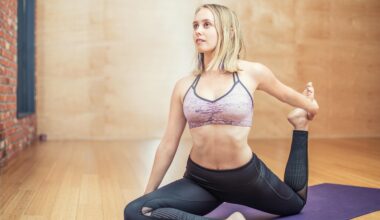

Managing Stress During Masters Fitness Competitions
Participating in Masters Fitness Competitions can be an exhilarating experience, yet it often brings about significant stress. Athletes in the masters category, usually over 35 years old, face unique challenges, including balancing personal responsibilities, age-related physical limitations, and performance expectations. Stress management during competitions is vital for optimal performance and mental well-being. Techniques such as mindfulness and visualization can effectively reduce pre-competition anxiety. Athletes should establish a strong pre-event routine to help mitigate stress. This routine can include proper warm-up exercises, mental imagery, and even specific breathing techniques.
Nutrition plays a critical role in managing stress during competitions. Consuming a balanced diet filled with nutrients before an event ensures that athletes are physically prepared, which helps in reducing anxiety levels. Regular hydration and avoiding excessive caffeine and sugar consumption can also maintain a stable energy level and improve mood. Incorporating foods rich in omega-3 fatty acids, such as fish and nuts, may further help lower overall stress. It is crucial for seniors competing in these events to listen to their bodies and adjust their nutritional intake according to their needs and energy demands.
Training effectively can reduce competition-related stress. Athletes should develop a comprehensive training schedule that emphasizes gradual progression. This allows them to build strength and endurance without risking injury. Cross-training techniques like swimming or cycling can help minimize repetitive strain injuries, making recovery easier. Additionally, it’s essential to include flexibility and mobility workouts in the training regimen. This provides the body with overall strength and resilience and enables a more efficient recovery post-exercise. Seeking professional coaching can also provide tailored training plans that address an athlete’s individual strengths and weaknesses.
The Importance of Mental Preparation
Mental preparation is equally essential to physical training for masters athletes. Engaging in mental exercises and techniques, such as visualization, helps athletes imagine their success and practice the competition in their minds. Additionally, incorporating stress-reduction techniques like progressive muscle relaxation can help prepare the mind for competition. Establishing goals, both short-term and long-term, gives masters athletes clear direction and keeps them focused, helping to ease feelings of stress or uncertainty. Competitors can also benefit greatly from learning about techniques such as cognitive-behavioral therapy (CBT), which helps manage negative thought patterns to boost confidence.
Support systems are crucial in mitigating stress. Competing alone can feel isolating, and surrounding oneself with a supportive community can make a significant difference. Family, friends, and training partners can provide emotional encouragement. Joining a local fitness group or team may create camaraderie, fostering a sense of belonging while sharing experiences and strategies to cope with competition-related stress. Engaging in social activities centered around fitness can also uplift spirits and motivate individuals to push through challenging times.
Post-competition reflection is an important aspect that often gets overlooked. Taking time to evaluate performance and outcomes after competitions helps masters athletes learn from their experiences while relieving stress. Establishing a routine for post-event assessment, whether through journaling or discussing with a coach or mentor, can enhance goal-setting for future performances. Analysis of both strengths and areas for improvement allows athletes to appreciate their efforts and fosters resilience for future events.
Adapting Coping Strategies
Adapting coping strategies is essential as each athlete manages stress differently. What works for one person may not be effective for another. Therefore, finding the right techniques requires experimentation and self-awareness. Strategies such as yoga, meditation, or engaging in hobbies unrelated to competition can help keep mental acuity high. It’s important that masters athletes periodically assess their stress management techniques and adapt them according to changing needs, environments, or mental states to consistently enhance their overall competitive experience.
Ultimately, understanding that stress is a natural part of competing can help masters athletes approach their events with a healthy mindset. Accepting stress as a challenge rather than a threat empowers them to prepare effectively and perform at their best. By combining physical preparedness with mental strategies and a strong support system, athletes in the masters category can manage stress effectively and enjoy a fulfilling experience in their fitness competitions.