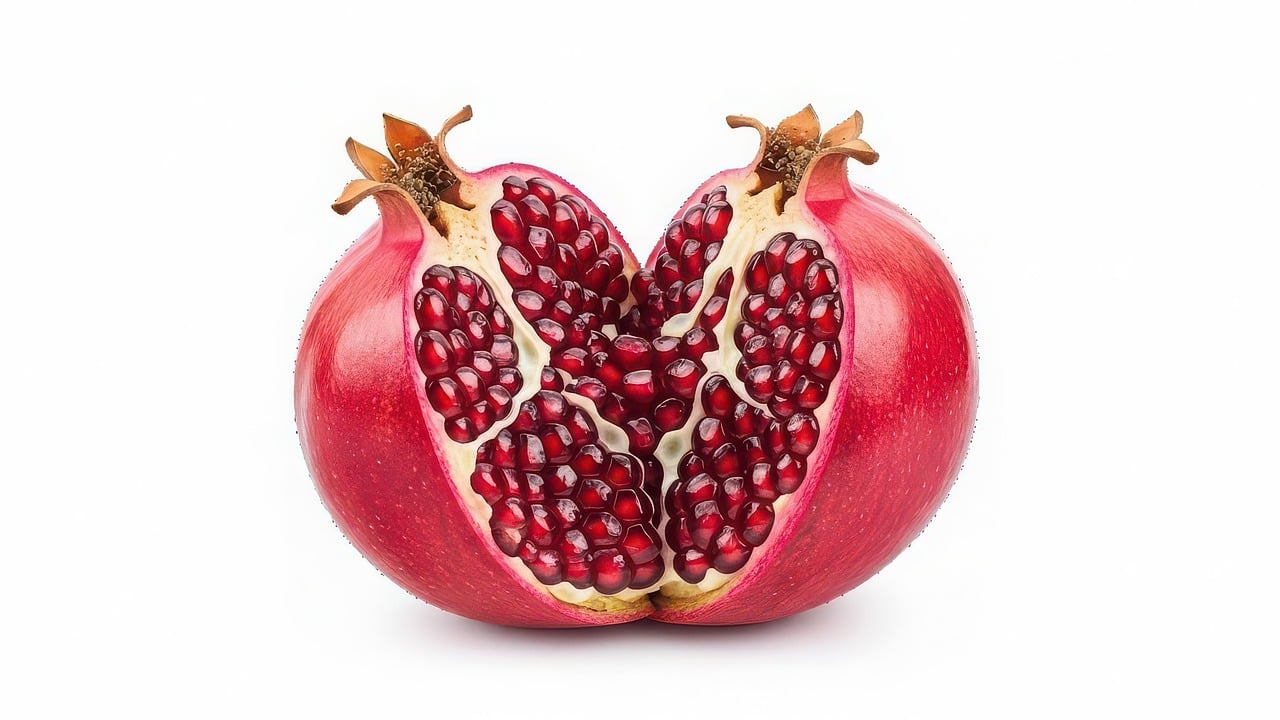

Using Antioxidant-Rich Foods to Support Kettlebell Recovery
Recovering from kettlebell workouts is crucial to achieving your fitness goals. Nutrition plays a vital role in this recovery process, particularly the consumption of antioxidant-rich foods. Antioxidants help combat oxidative stress caused by intense exercise. Including these foods in your diet can enhance muscle recovery and promote overall well-being. It’s essential to focus on foods high in vitamins, minerals, and phytochemicals that support muscle resilience and repair. Consuming a mix of fruits, vegetables, nuts, and whole grains can provide a solid foundation for recovery. Examples of effective antioxidants include vitamin C found in citrus fruits and vitamin E prevalent in nuts and seeds. Additionally, phytochemicals like flavonoids in berries and carotenoids in carrots are beneficial. Choosing organic options can further boost the intake of these nutrients. To maximize the benefits of these foods, aim to incorporate them into post-workout meals. Such a diet not only aids recovery but also fuels future workouts, creating a cycle of improvement for kettlebell enthusiasts. Ultimately, the right nutrition strategy plays a significant role in performance and achieving desired results.
To further enhance kettlebell recovery, focusing on specific antioxidant-rich foods can yield significant benefits. Berries, such as blueberries and strawberries, are renowned for their high antioxidant content. They contain compounds that reduce inflammation and muscle soreness after intense training sessions. Incorporating these fruits into your post-workout smoothies or yogurt can add flavor and potent recovery properties. Another excellent choice is dark leafy greens, which are packed with vitamins A, C, and K. Spinach, kale, and Swiss chard can easily be added to salads or smoothies. These greens help decrease muscle fatigue and support overall cardiovascular health. Avocados are also a powerful addition to a recovery diet, offering healthy fats and antioxidants. Their potassium content can aid in muscle function. Additionally, nuts and seeds like almonds and chia seeds provide both antioxidants and protein. They can be ideal snacks or ingredients in meals. Additionally, consider spices known for their antioxidant properties such as turmeric and ginger. These can be included in various dishes. By diversifying your food choices, you ensure a wide range of antioxidants that can significantly assist in your kettlebell recovery process.
The Role of Hydration in Recovery
Hydration is another critical factor in the recovery equation for kettlebell training. Water supports cardiovascular function, nutrient transport, and toxin elimination. Ensuring optimal hydration levels helps maintain performance during training and can directly affect recovery rates afterward. Many athletes overlook hydration, focusing solely on food intake. However, proper fluid consumption is essential, particularly after intense workouts when your body loses significant water through sweat. Aim to incorporate fluids not just during workouts but also before and after sessions. Herbal teas, coconut water, and even water-infused with fruits can enhance hydration while providing additional antioxidants. Electrolyte drinks may also be beneficial post-workout, especially after intense kettlebell sessions, to replenish lost minerals. Some natural options, such as homemade sports drinks, can also be effective without the additives found in commercial products. Be mindful of your hydration habits, listening to your body’s signals for thirst, which is crucial during the recovery phase. By prioritizing hydration alongside antioxidant-rich foods, you can optimize your recovery, enhance your performance, and improve your overall strength and stamina for future kettlebell workouts.
Incorporating specific meals and snacks that combine both hydration and antioxidant benefits can simplify your recovery approach. For example, a post-workout smoothie made with spinach, banana, blueberries, and almond milk provides an excellent blend of fluids, carbohydrates, and antioxidants. This is not only tasty but also promotes quicker recovery. Oatmeal topped with berries and a sprinkle of nuts can be an appealing option for breakfast. Such meals are nutritious and can help repair muscle tissue. Experimenting with different combinations of ingredients can make recovery routines more enjoyable. You might also consider making antioxidant-loaded salads with a lemon or olive oil dressing. To further enhance the meal’s effectiveness, adding grilled chicken or fish can offer additional protein. As antioxidants play a crucial role in reducing inflammation and oxidative stress, their regular consumption might determine your progress in kettlebell training. Choose a variety of colors in fruits and vegetables, ensuring a broad range of nutrients and antioxidants. Remember, planning your meals not only keeps you organized but also supports long-term adherence to your kettlebell training and recovery strategy.
Importance of Timing in Nutrition
The timing of your nutritional intake is just as important as the quality of the food you consume following your kettlebell workouts. Eating a combination of carbohydrates and proteins quickly after exercising can maximize recovery benefits. Aim to refuel within 30 to 60 minutes after your workout. This is when your muscles are most responsive to nutrient absorption. Quick recovery foods, such as Greek yogurt with fruit or a protein shake with spinach and berries, are ideal choices. Additionally, including complex carbohydrate sources can replenish glycogen levels, especially important after intense training. Brown rice, quinoa, and sweet potatoes can serve as excellent sides. These foods, paired with antioxidant-rich options, support an optimal recovery environment. Managing meal timing can also help control inflammation. Furthermore, being aware of how you structure your meals can influence your energy levels in subsequent workouts. Pre-planning your post-workout meals can save time and keep your protein intake on track. By focusing on nutrition timing alongside the incorporation of antioxidant-rich foods, you effectively boost your kettlebell training recovery process, paving the way for enhanced performance and overall health.
Consistency in adopting recovery-promoting practices is essential for maximizing the benefits of kettlebell training. It’s not just about individual workouts but about establishing a long-term strategy that combines nutrition, hydration, and timing. Keeping a food journal may help in tracking your nutrition and hydration habits. This can help identify patterns and highlight areas for improvement. Ensuring sufficient variety in your meals will keep you engaged and more likely to follow through on your recovery efforts. In addition, sharing meal ideas with fellow kettlebell enthusiasts can provide motivation and spark creativity. Engaging in discussions about recovery techniques can also lead to the discovery of new recipes or foods. Furthermore, consider consulting with a nutritionist experienced in sports nutrition. They can help tailor a recovery plan that suits your specific needs and goals in kettlebell training. Remember, recovery is an ongoing process that impacts overall performance and health. By committing to a solid nutrition strategy that includes antioxidant-rich foods and aligns with your kettlebell training routine, you’re investing in future successes. Each healthy choice contributes towards achieving your fitness aspirations.
Conclusion: Elevate Your Kettlebell Recovery
In conclusion, integrating antioxidant-rich foods into your recovery strategy is essential for anyone serious about kettlebell training. By providing the necessary nutrients needed for repairing muscle tissue and reducing inflammation, you can create a solid foundation for improved strength and performance. Focus on consuming a variety of fruits and vegetables, nuts, seeds, and whole grains, ensuring that you incorporate different colors and flavors into your diet. The timing of your meals and maintaining proper hydration is pivotal in ensuring the maximum benefits post-workout. By developing consistent habits that prioritize nutrition, you will support your body’s recovery process efficiently. Sharing knowledge and meal ideas with others in the kettlebell community can create support networks and enhance your experience. Use these practices to emphasize recovery in your overall training plan to see the best results. Each workout should be followed by a thoughtful approach to nutrition, as this will disproportionately impact your ability to progress. Ultimately, your journey in kettlebell training will not only provide physical benefits but also promote a healthier lifestyle overall by cultivating better nutrition habits.
Remember, recovery goes beyond just physical benefits. It’s also about mental resilience and enjoying your fitness journey. Adopting a holistic approach that includes mental well-being alongside nutritious eating ensures that your kettlebell training is sustainable and enjoyable. Consider mindfulness practices like yoga or meditation as part of your recovery routine. These can complement your physical workouts effectively, reducing stress and enhancing focus. Additionally, maintain an open mindset towards experimenting with new foods and recipes, as this can keep your meals exciting. Regularly evaluate your recovery methods and remain flexible to adapt based on how your body responds. Learn to listen to your body; it will often indicate what it needs to recover effectively. Ultimately, the synergy between mindful eating and effective recovery practices will pave the way for continued progress in kettlebell training while promoting a positive relationship with food and fitness. Embrace the journey of self-improvement and well-being, and you’ll find the rewards of your efforts in both performance and quality of life. The more dedicated you are to recovery, the more significant the benefits you will experience in your kettlebell journey.