
Wearables and Nutrition Tracking for Team Sport Athletes
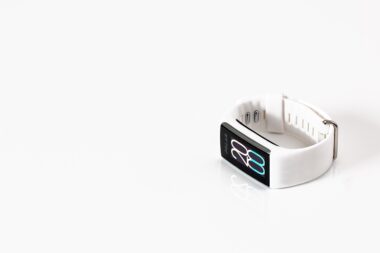
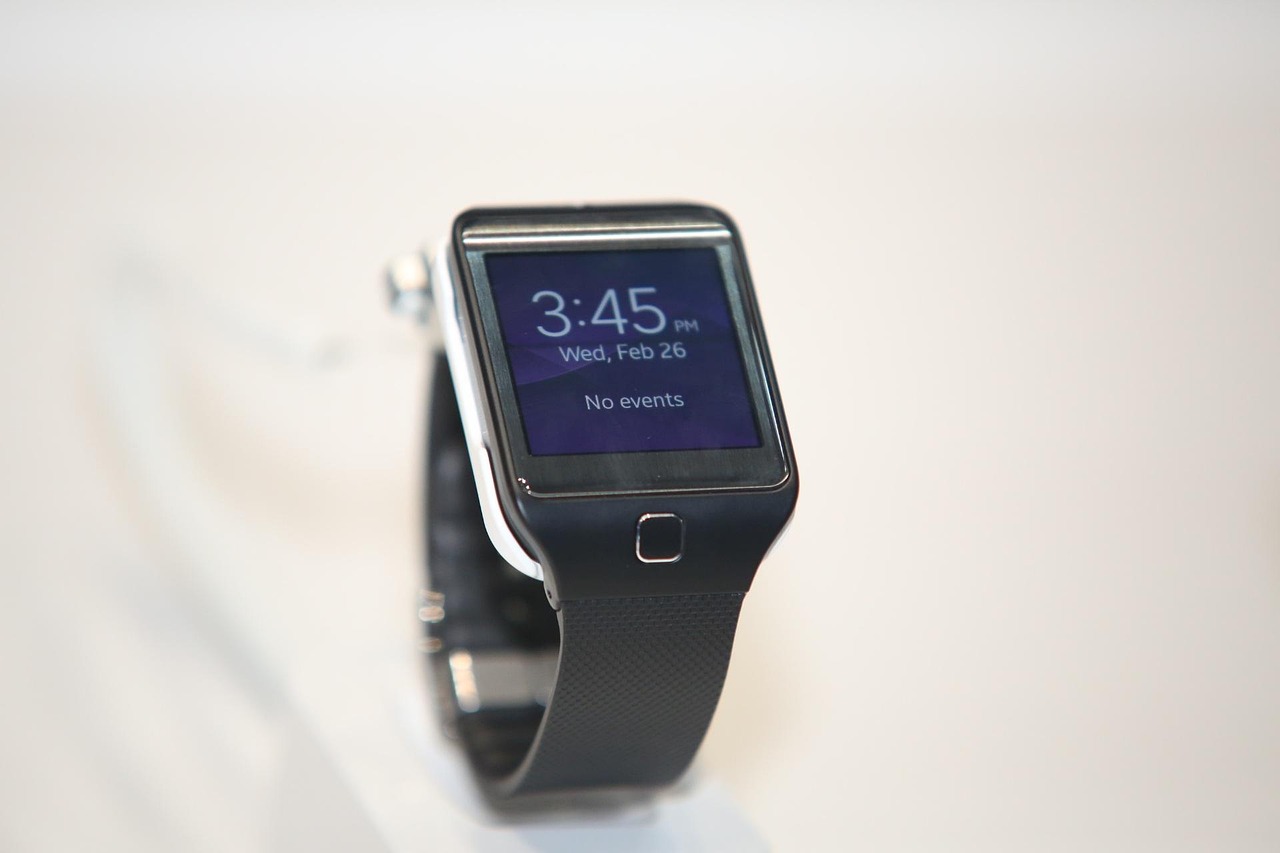
In today’s rapidly evolving landscape of sports science, wearables are redefining how team athletes track their performance and nutrition. Devices such as smartwatches, heart rate monitors, and GPS trackers provide real-time data, helping athletes analyze exertion levels, heart rates, and overall fitness. Combining these metrics with nutrition tracking apps enhances the athlete’s understanding of their physical needs. By synchronizing performance data with nutrition intake, athletes can tailor their diets to fuel their training more effectively. Adjusting one’s dietary regimen based on the demands of training and competition can significantly improve performance outcomes. Coaches and sports nutritionists increasingly rely on this data integration for creating personalized training plans. Comprehensive wearables aim to monitor recovery times as well, which is crucial to avoid injuries and maintain optimal performance. This technology not only offers insights into physiologic metrics but also fosters the creation of holistic training regimens that encompass nutrition. Team sports can greatly benefit from these technologies, allowing both athletes and coaches to stay informed and proactive in their fitness journeys.
Wearable technology is advancing at a remarkable pace, enabling teams to garner analytical data that fosters strategic gameplay and enhances athletic performance. Tracking the movements of players on the field through GPS capabilities now allows coaches to devise optimal game strategies based on player positioning and movement patterns. Real-time tracking of performance metrics like sprint speed, stamina, and energy expenditure makes it feasible for coaches to make instantaneous decisions during games. Moreover, wearables can assist in injury prevention by monitoring fatigue levels and recovery progress. By observing these metrics, professionals can address minor issues before they escalate into major injuries. Different sports have also tailored wearable tech to meet specific performance goals, refining its application across disciplines. For example, rugby players might focus on collision metrics, while basketball players may analyze jump heights and lateral movements. Additionally, the data collected can foster an environment of accountability among teammates, enabling better communication regarding training ethics. Integrating analytics into team sports promotes a culture of improvement, propelling teams toward high-performance standards, ultimately revolutionizing modern training methodologies.
Integrating Nutrition with Wearable Tech
The intersection of nutrition and wearable technology enriches the training landscapes for athletes involved in team sports. Coaches are becoming more aware of the impact that specific dietary choices have on performance metrics. Integrating nutrition tracking applications enables athletes to log their caloric intake and analyze the macronutrient balances essential for optimal energy levels. With wearables providing insights into energy expenditure, athletes can adjust their caloric intake accordingly. These data-driven approaches allow nutrition plans to align perfectly with workout intensities, thereby ensuring athletes can perform at their peak. Tracking hydration levels is equally important in this context, as proper hydration influences physical performance and recovery rates. Moreover, many wearable devices now feature hydration tracking capabilities that send reminders to maintain fluid intake throughout the day. The synergy between nutrition and wearable technology indicates a move towards a more holistic approach to training. Utilizing both components gives athletes a competitive edge, as they can maintain appropriate energy levels and optimize recovery times, while collectively enhancing the team’s performance during competitions.
Additionally, fostering dietary awareness through wearables can profoundly impact an athlete’s lifestyle off the field, leading to healthier choices. By combining fitness metrics with nutritional insights, athletes build a comprehensive database reflective of their personal performance journeys. This can prove instrumental in long-term academic and professional disciplines, as understanding one’s body and its requirements at a micro level is invaluable. Athletes who engage with these tools develop an intrinsic appreciation for the incremental changes required to improve overall performance. Furthermore, continuous tracking leads to an understanding of how different foods affect energy levels and performance outputs, aiding in better decision-making during training and competition. The noshing habits transformed into a disciplined approach further instills a mindset of accountability and professionalism. Such principles may set the foundation for post-athletic careers in maintaining an active, healthy lifestyle. As the technology continues to advance, its application across various sports will become more streamlined and user-friendly. The emphasis on health literacy will likely drive teams towards integrating wearables and nutrition tracking as standard practice in player development.
The Future of Wearables in Team Sports
The future of wearables in team sports is rich with potential, promising innovations that significantly improve athletic preparation and recovery processes. Ongoing advancements in sensor technology, batteries, and data processing capabilities will render these devices increasingly accurate and versatile. Imagining features that predict injury risks based on real-time biomechanics can transform how medical staff approaches player health management. Moreover, many companies are devoted to integrating artificial intelligence to analyze the troves of data gathered by wearables, presenting actionable insights to coaches and players alike. As augmented reality technology matures, we may witness a new frontier where athletes receive live performance feedback directly through smart glasses during training sessions and games. These developments can lead to a more dynamic and competitive environment, as players will continuously adapt their strategies to harness immediate insights. However, with increased data collection also comes responsibility concerning athletes’ privacy. The sports industry must prioritize ethical guidelines to protect user data, ensuring that athletes grant consent. As the industry navigates these waters, the balance between innovation and ethical responsibilities will become paramount.
Additionally, the marketing appeal of cutting-edge wearables promises to attract investment, further accelerating research and development. As companies see the potential for profit, competition among technology providers will prompt the introduction of increasingly sophisticated devices, designed specifically with athletes in mind. Collaborative efforts between sports organizations and technology firms could yield customized solutions, ensuring teams receive products that meet their unique requirements. There is also increasing recognition of athlete involvement in the development process, leading to devices that resonate with their specific needs. Enabling user feedback will be integral in shaping future designs. Furthermore, as wearable tech becomes more integrated within training environments, corporate partnerships may extend to nutrition brands that align with performance goals. These collaborations may yield innovations, such as tailored meal plans based on wearable data outputs. Aligning dietary choices with training through technology will create seamless transitions between nutrition and athletic performance. Therefore, the future holds promising potential for wearables to develop into indispensable tools in maintaining top athlete performance in team sports.
Case Studies Demonstrating Success
Case studies among professional teams illustrate the profound effects wearables can have on athlete performance and nutrition tracking. Numerous athletes leveraged these technologies to collect performance data, refining their training regimens for remarkable results. For instance, a leading football team implemented wearables to analyze player fatigue and optimize recovery strategies. This led to increased overall physical well-being and reduced injury incidents, highlighting the device’s capability in injury prevention. Another example is a basketball team utilizing wearables aligned with nutrition tracking apps to assess the influence of specific diets on player recovery times. The outcome was significantly faster recovery periods and improved performance throughout the season, exemplifying effective integration. These case studies underscore the importance of adopting wearables and nutrition tools tailored to an athlete’s individual training needs. Such integrations play a crucial role in optimizing team dynamics and empowering athletes to understand their physical limitations. As teams strive for excellence, successful case studies will continue to reinforce the value of wearables in shaping athletic potential. Overall, future prospects remain bright for the union of technology, nutrition, and sports to drive unprecedented achievements.
In conclusion, the synergy between wearables and nutrition tracking represents a revolutionary shift in training methodologies for team sports athletes. As these technologies evolve, they foster a more comprehensive understanding of performance, guiding athletes toward optimal health and wellness. Continued collaboration between stakeholders in the technology, nutrition, and sports industries will accelerate advancements, paving the way for future innovations. This intersection not only aids athletes but reinforces team cohesion and performance standards as they adapt to training demands collaboratively. The journey toward integration can foster a holistic approach to health and peak performance. As teams embrace these innovations, athletes must also become active participants in their health journeys. The ultimate goal remains to empower athletes, ensuring that they can navigate their training environments with confidence, knowledge, and supported strategies. The evolving possibilities harnessed through wearables will undoubtedly reshape the sporting landscape, driving momentum across various disciplines. With emphasis on performance tracking and nutrition, future generations of athletes will benefit immensely from the foundations laid today.