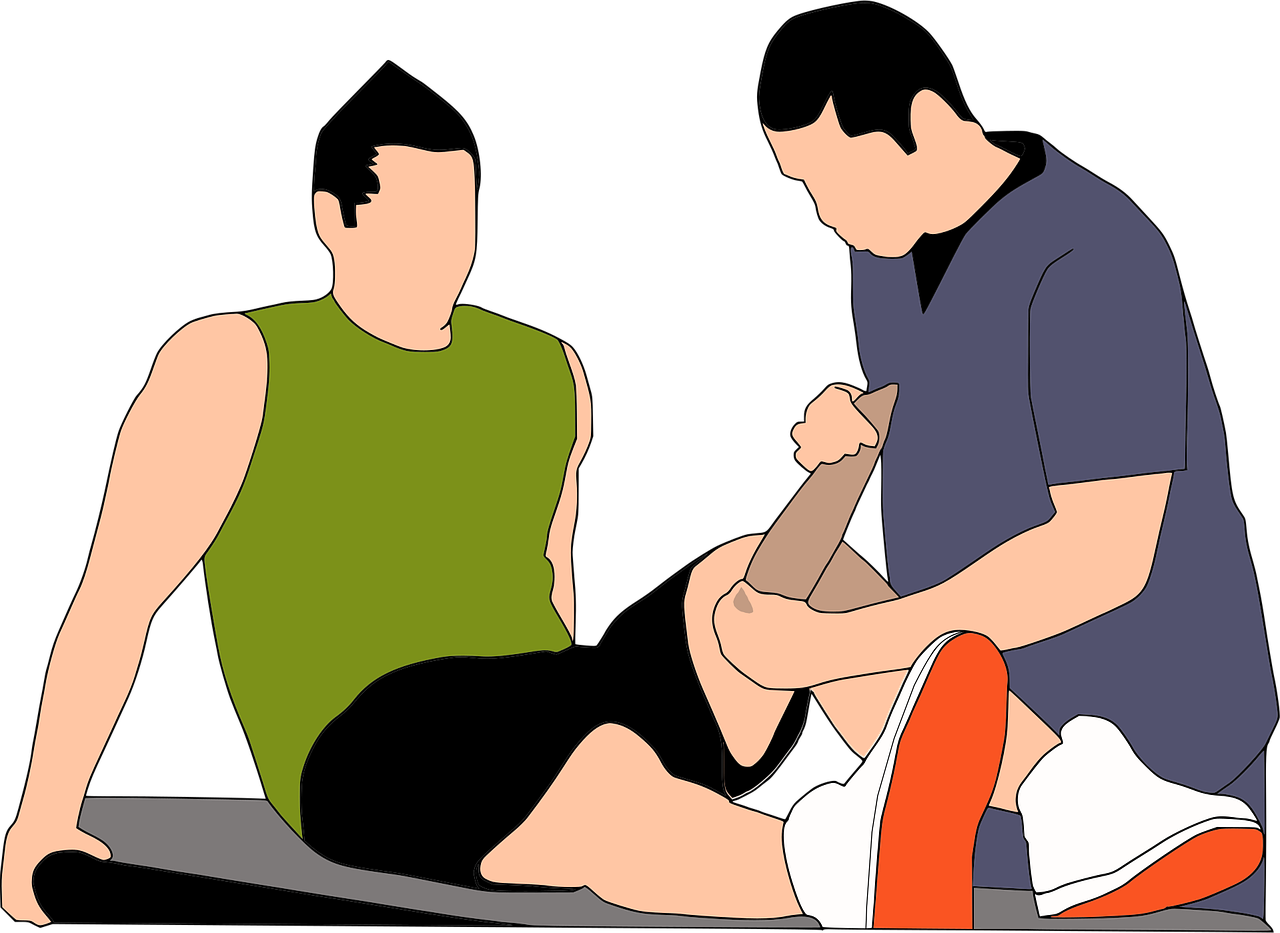

Understanding Biomechanics in Sports
Biomechanics plays a significant role in understanding movement patterns in sports. It examines how forces interact with the body, ultimately affecting performance and injury risk. By analyzing biomechanics, we can identify specific movement patterns leading to overuse injuries. Various factors such as muscle strength, flexibility, and technique influence an athlete’s efficiency. Understanding how these elements work together enables coaches and athletes to optimize performance while minimizing injury risk. Furthermore, biomechanical analysis is crucial for assessing the symmetry of movements, which can help identify imbalances often associated with injuries. Using high-speed cameras and motion capture technologies, we can pinpoint exact moments where athletes may be susceptible to stress injuries. Thus, incorporating biomechanical evaluations into training regimens becomes essential. A well-rounded approach combining strength training, flexibility routines, and biomechanical assessments ensures athletes are prepared for lengthy competitive seasons. Ultimately, education about biomechanics can empower athletes to make informed decisions about their training practices. The integration of biomechanics into sports science enhances our understanding and contributes to safer athletic practices.
One of the primary objectives of studying biomechanics is to prevent overuse injuries. Overuse injuries commonly occur due to repetitive motion without adequate recovery. Recognizing patterns that lead to these injuries requires a detailed analysis of an athlete’s technique. Certain sports may predispose athletes to specific injury risks due to their movement demands. For example, runners may experience knee pain due to poor alignment or running style. Biomechanics helps in identifying these flawed movements, allowing for tailored interventions. Training modifications may include alterations in stride length, cadence, or foot placement. Furthermore, proper technique is vital for injury prevention; thus, athletes should be educated about their biomechanics. Strengthening complementary muscle groups can also alleviate stress on commonly affected areas. As a result, a comprehensive understanding of biomechanics enables athletes and coaches to implement effective injury prevention strategies. By promoting awareness of proper movement mechanics, we can create well-rounded training that prioritizes longevity in sports. In addition, biomechanical assessment should be integrated regularly into an athlete’s training program to refine techniques continually.
The Role of Technology in Biomechanical Analysis
Technology has significantly advanced the field of biomechanics. Tools such as motion capture systems and force plates allow for precise measurements of movement patterns. These technologies provide real-time data and detailed analysis, enabling coaches to make informed decisions about training adjustments. Motion capture technology involves placing markers on an athlete’s body to track their movements. This provides a visual representation of their form during various activities. Force plates measure the ground reaction forces experienced while athletes perform movements. By utilizing this technology, practitioners can gauge the impact and force distribution throughout the body. In turn, this information aids in revealing any biomechanical flaws. Furthermore, wearable technology like fitness trackers and smart shoes can offer insights into daily movement patterns and loading. Collectively, these technological advancements help refine training approaches and enhance performance assessments. Understanding data derived from these tools is crucial for devising effective injury prevention protocols. As the field continues evolving, staying updated with the latest technological developments becomes essential for coaches and practitioners dedicated to athlete safety.
Understanding different types of overuse injuries is essential for effective prevention strategies. Common overuse injuries include tendonitis, stress fractures, and bursitis, each arising from specific biomechanical triggers. Tendonitis, for example, typically results from repetitive motions that strain the tendons. It often occurs when athletes overexert during training without sufficient rest. Stress fractures are another form of overuse injury, typically caused by excessive loading and poor biomechanics. Athletes must be conscious of their training loads, monitoring increases to avoid putting undue stress on the musculoskeletal system. Bursitis can affect athletes engaged in repetitive motions, particularly in sports requiring overhead activities. Detecting the early signs of these injuries is crucial; pain management and corrective measures must be implemented promptly. Athletes should be educated about proper warm-ups, cooldowns, and recovery techniques. Integrating biomechanical analysis allows for individualized training interventions based on specific needs. Creating a sustainable training plan that emphasizes preparation is vital in mitigating the risks of overuse injuries. In summary, proactively addressing the components of these injuries contributes significantly to athletes’ longevity in competitive sports.
Metrics for Biomechanical Assessment
Assessing biomechanics involves specific metrics that help evaluate movement efficiency. Key performance indicators often include joint range of motion, ground reaction forces, and velocity during dynamic actions. Analyzing these variables assists in understanding how an athlete executes particular movements. Joint range of motion is critical in identifying limitations that may affect performance and expose an athlete to injury. Ground reaction forces highlight the impact experienced during various activities, while velocity reflects the speed of motion. When these metrics deviate from optimal ranges, it may indicate a risk for overuse injuries. Implementing regular assessments enables athletes and coaches to identify red flags early. Additionally, tracking improvements in these metrics over time fosters motivation and enhances training outcomes. Tailored feedback from biomechanical assessments is invaluable in cultivating a proactive approach to athletic performance. Coaches can design targeted interventions based on specific weaknesses or imbalances observed. Consequently, a focus on metrics not only informs training but serves to educate athletes about their movements. Overall, metrics for biomechanics provide a scientific approach to maintaining optimal performance without compromising safety.
Psychological factors also contribute significantly to overuse injuries in athletes. The pressure of competition and the desire to excel can lead to overtraining, increasing injury risk. When athletes experience substantial mental stress, they may neglect their recovery protocols, potentially leading to injuries. Education that emphasizes the mental aspects of training can encourage athletes to embrace balance in their routines. Developing resilience and coping strategies is essential in maintaining focus and managing performance anxiety. Implementation of mindfulness techniques and psychological skills training can enhance overall productivity and satisfaction. It also plays a pivotal role in improving engagement in recovery protocols. Psychological evaluations alongside biomechanical assessments allow for a holistic understanding of an athlete’s performance. Coaches should cultivate an environment that supports mental well-being to minimize injury risks. Understanding the mind-body connection can empower athletes to take charge of their training practices. By fostering open communication about mental health, athletes may be more likely to adhere to injury prevention strategies. Ultimately, awareness of psychological factors can augment traditional biomechanical approaches.
Integrating Biomechanics into Training Regimens
Integrating biomechanics into training regimens enhances athletes’ overall performance and safety. Effective training plans must incorporate biomechanical assessments to tailor interventions specific to an athlete’s needs. Understanding individual movement signatures allows coaches to optimize techniques, which ultimately prevents overuse injuries. For successful integration, establishing a baseline for biomechanical performance is crucial. Regular assessments help track progress and adapt training plans accordingly. Furthermore, feedback from biomechanical evaluations provides valuable insights that foster skill development. Education about biomechanics should be included in athlete training sessions to develop informed athletes. This knowledge entitles them to take ownership of their training and recovery practices. Moreover, incorporating cross-training techniques allows for a diversified approach to developing physical capabilities. Engaging in different activities can help alleviate repetitive stress on specific muscle groups. Balancing strength, endurance, and flexibility using a biomechanical framework can enhance athletic performance while mitigating injury risks. Ultimately, successful integration of biomechanics not only enhances athletic performance but ensures the sustainability of participation in sports.
In conclusion, the study of biomechanics plays a pivotal role in preventing overuse injuries in sports. A comprehensive understanding of movement patterns, alongside technological advancements, empowers both athletes and coaches to optimize performance. By focusing on prevention strategies, athletes can maintain long careers while achieving their aspirations. Continuous biomechanical assessments provide insight into training efficacy, allowing for tailored interventions. Additionally, acknowledging the psychological aspects of sports fosters a more holistic approach to performance. As technology evolves, so too must our understanding of biomechanics, ensuring athletes have the best possible foundation for success. Establishing a collaborative effort among coaches, health practitioners, and athletes fosters a culture of injury prevention. Embracing the principles of biomechanics ensures athletes are well-equipped for the physical challenges that come with their sports. Ultimately, the fusion of knowledge, technology, and psychology creates a comprehensive framework for athlete development. Through this commitment to biomechanics, the future of sports medicine holds great promise for reducing injury rates and enhancing athletic longevity.