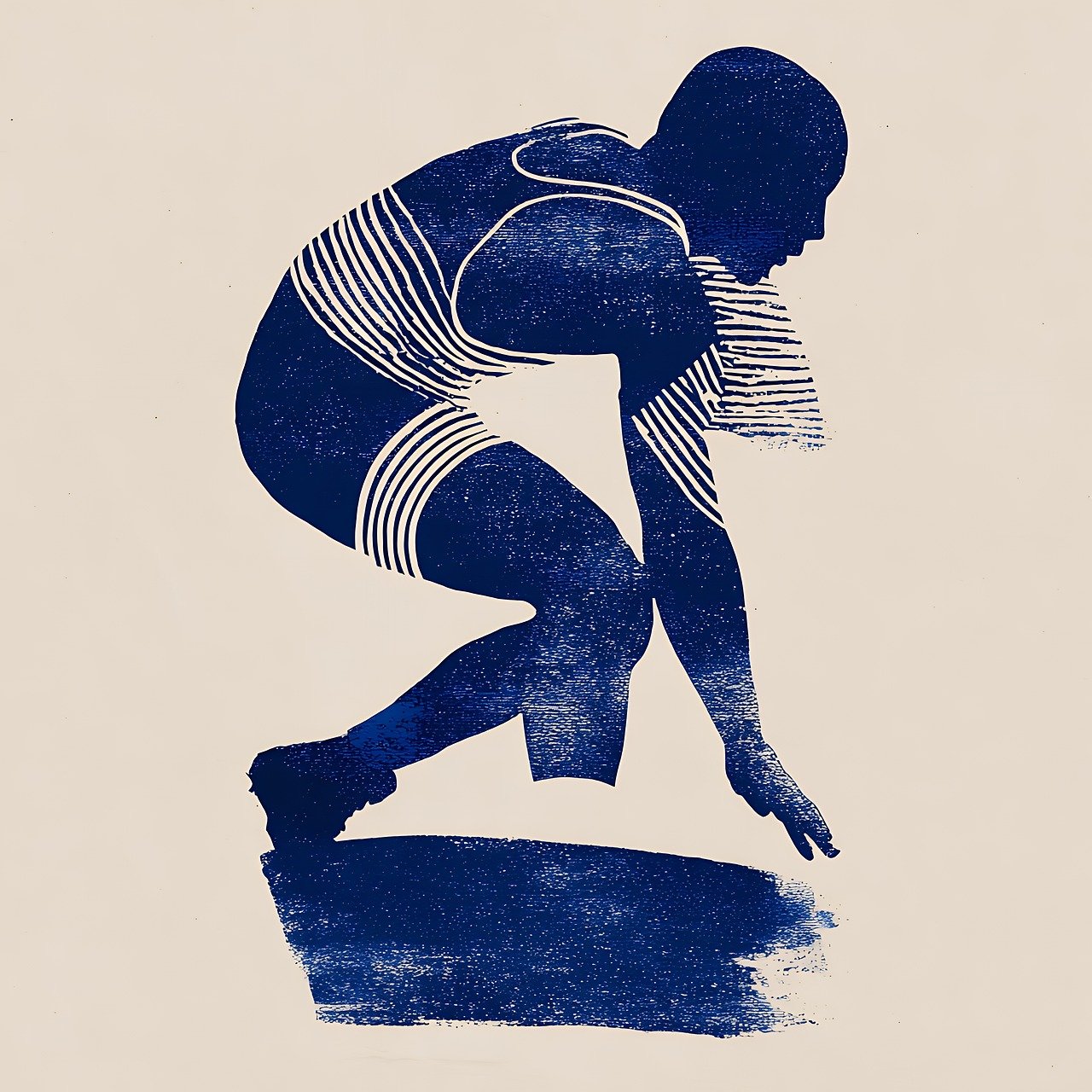

Energy Medicine Techniques to Boost Athletic Performance
Understanding the myriad ways energy medicine can enhance athletic performance is paramount for athletes aiming to improve their game. Innovative techniques focus on balancing the body’s energy while optimizing physical and mental potential. These modalities address everything from muscle recovery to mental clarity, bridging the gap between mind and body. Enhanced recovery through energy medicine can lead to better outcomes during training and competitions. Traditional methods often leave athletes fatigued, lacking energy after sessions. However, energy medicine’s holistic approach supports faster recovery, reducing time spent sidelined. Practicing techniques like energy balancing, acupuncture, and breathwork directly influence both physical and mental states, enhancing athletic performance significantly. Each technique aids in aligning the body’s energy systems, promoting harmony and resilience. Whether you are a seasoned athlete or a beginner, integrating energy medicine into your regimen creates noticeable benefits. It’s essential to explore personal health goals while selecting preferred methods. So, potential areas of application can include mindfulness practices and energy healing workshops which contribute positively to your athletic journey. Engaging with these techniques can lead to rich athletic experiences, ultimately fostering personal growth in sports performance.
Understanding Energy Medicine Principles
Energy medicine operates on the principle that human beings are fueled by energy and have energy systems similar to the physical body. This ancient wisdom informs modern practices and helps athletes maintain peak performance levels. By understanding how energy flows through meridians and chakras, athletes can tap into hidden potentials. Techniques like Reiki, Therapeutic Touch, and Quantum Touch are focal points in energy healing. They involve different modalities but essentially work through channeling energy to promote healing, reduce pain, and increase endurance. These methods enhance physical performance by clearing energetic blockages that might hinder athleticism. The importance of a balanced energy state cannot be overstated. An athlete facing physical challenges often finds a direct correlation to their energetic state. Moreover, integrating mindfulness techniques can stabilize mental health, leading to improved focus and strategic instincts during competition. Studies report that athletes intending to harness energy medicine experience reduced anxiety and increased confidence. It becomes essential to experiment with various techniques, tailoring approaches that resonate most significantly with individual preferences, ultimately ensuring athletes harness their maximum potential through consistent energy strategies.
The link between emotional well-being and athletic performance cannot be ignored. Negative emotions easily filter into physical exertion and can undermine performance. Utilizing energy medicine techniques to release emotional blockages proves beneficial, ensuring athletes maintain composure under pressure. Practices involving Emotional Freedom Techniques (EFT), also known as tapping, stand out for their effectiveness in managing emotions. This technique combines cognitive therapy with acupressure, thereby alleviating immense stress and anxiety. Athletes using EFT reduce mental barriers hindering their performance. Additionally, visualization and meditation boost emotional resilience, providing a combined approach to mental clarity. Through visualization, athletes mentally rehearse performance, reinforcing confidence and motivation. They can access peak mental states, crucial during competitions. Combining these emotional management techniques with physical training can substantially elevate results. The importance of energy awareness in sports can significantly enhance an athlete’s overall experience. A cohesive approach that nurtures both body and mind allows athletes to perform at their best. Engaging with professionals trained in these techniques ensures athletes receive tailored support. Hence, emotional well-being becomes foundational in enhancing both performance and enjoyment in sport.
Physical Techniques of Energy Medicine
Exploring energy medicine physically reveals techniques that improve flexibility, strength, and endurance in athletes. Methods like Tai Chi and Qi Gong emphasize gentle movement, deliberately enhancing energy flow. Engaging in these practices enhances agility while keeping athletic bodies anchored and aware. Acupuncture serves as another physical energy medicine technique. It incorporates needle insertion at specific points along energy meridians, promoting healing and boosting performance levels efficiently. Athletes report profound benefits, including faster recovery from injuries and reduced muscle soreness after high-intensity workouts. Additionally, massage therapy, an energy medicine approach, improves circulation and optimizes lymphatic drainage, removing toxins significantly. Sports-focused massage combined with energy healing techniques can amplify physical performance, allowing athletes to endure longer training sessions. Breathing exercises, involving controlled inhalation and exhalation, align physical and energetic states. Enhanced breath control provides necessary oxygen delivery during intense workouts, promoting stamina. These techniques provide practical applications of energy medicine for athletes striving for excellence. Integrating such practices into regular training promotes comprehensive wellness and potentially increases competitive edge among peers. Athletes are encouraged to consider their physical forms and experiment with various techniques that resonate well with their journey.
Another significant aspect of energy medicine lies in the role of nutrition and hydration in athletic performance. It’s essential to integrate a well-balanced diet rich in nutrients to support optimal energy levels. Specific foods aid in energy production, recovery, and endurance, making nutrition an extension of energy medicine. Athletes should prioritize whole foods, ensuring an intake of lean proteins, complex carbohydrates, and healthy fats. Hydration also plays a crucial role; maintaining fluid balance affects cognitive functions that directly influence performance. Moreover, natural supplements, such as adaptogens, are essential in addressing stressors associated with intense training schedules. Adaptogens help to regulate the body’s response to stress while enhancing mental clarity. A continuous supply of essential vitamins and minerals also strengthens the immune system, giving athletes an additional edge. Athletes should consult with nutritionists specializing in energy medicine to ensure their bodies receive an adequate supply of nutrients. The connection between what athletes consume and their performance is undeniable. Thus, exploring varied dietary practices within an energy medicine context enhances the overall outlook in sports and physical activities, contributing definitively to successful outcomes.
Mind Techniques and Their Impact
Mental practices associated with energy medicine can transform athletes’ performances on various levels. Techniques such as guided visualization and meditation foster a resilient mindset, crucial for competitive environments. Athletes learn to channel mental energy towards specific goals, enhancing concentration and focus even amidst distractions. Guided imagery allows athletes to visualize successful performances, thereby boosting confidence and reducing anxiety during actual competition. Engaging with these mind techniques can also augment motivation, enhancing training discipline and dedication. Practicing mindfulness cultivates present-moment awareness, creating mental clarity when distractions occur. This can improve decision-making in crucial moments during competitions. Neuro-linguistic programming (NLP) further amplifies the connection between the mind and performance outcomes. Techniques within NLP help athletes reframe limiting beliefs, encouraging a mindset shift towards success and resilience. Daily integration of such practices into an athletic routine can yield profound results in performance. It’s vital to maintain consistency, reinforcing the mental habits necessary for success. Thus, athletes become empowered to take control over their mental landscapes, ultimately elevating their overall performance levels. Seeking guidance from trained professionals ensures athletes get the most out of these techniques to elevate their potential.
In conclusion, integrating energy medicine techniques into training regimens offers a multifaceted approach to enhancing athletic performance. By focusing on the mind-body connection, athletes can enhance every aspect of their game. Exploring various techniques—from physical modalities to nutritional practices—unearths benefits critical for personal excellence. Understanding and adopting energy medicine not only fosters improved physical capabilities but reinforces mental resilience, proving invaluable in competitive environments. Adopting these techniques aligns body and mind, promoting optimal performance. Athletes should continually assess personal goals, experimenting with different modalities to find the best fit for comprehensive training development. Ultimately, success in sports requires a holistic approach, considering both physical and mental elements. As the landscape of athletic performance evolves, awareness and training in energy medicine are vital considerations. The journey to excel in sports is deeply intertwined with individual well-being, making energy medicine a key player in this narrative. Athletes who embrace these practices can expect transformative experiences, achieving unprecedented performance levels that reflect their dedication and skill. Energy medicine, therefore, becomes an ally in their pursuit of greatness, ensuring they reach new heights in their athletic journeys.
Embracing the concept of energy medicine in sports opens new avenues for performance enhancement. Athletes willing to explore these techniques may unlock their full potential while navigating the complexities within their sports environment. Incorporating both modern and traditional practices into training enhances resilience. Therefore, energy medicine equips athletes to face the rigors of competitive athletics, solidifying a foundation for long-term success. Cultivating a heightened awareness of both physical and mental states leads to improved engagement, ultimately transitioning athletes towards greater accomplishments. Success relies on understanding and applying these powerful modalities effectively. By committing to a blended approach encompassing mind and body, athletes set themselves up for impressive performances with each endeavor. Hence, energy medicine’s approach to wellness complements traditional forms of training. Its lasting impacts extend beyond physical prowess, providing athletes with the necessary tools for addressing emotional and mental challenges. With informed engagement across energy techniques, athletes help cultivate a thriving sports culture that firmly integrates well-being and performance. The future of professional and amateur sports evolves through these encompassing practices, supporting athletes striving for peak performance in their disciplines.