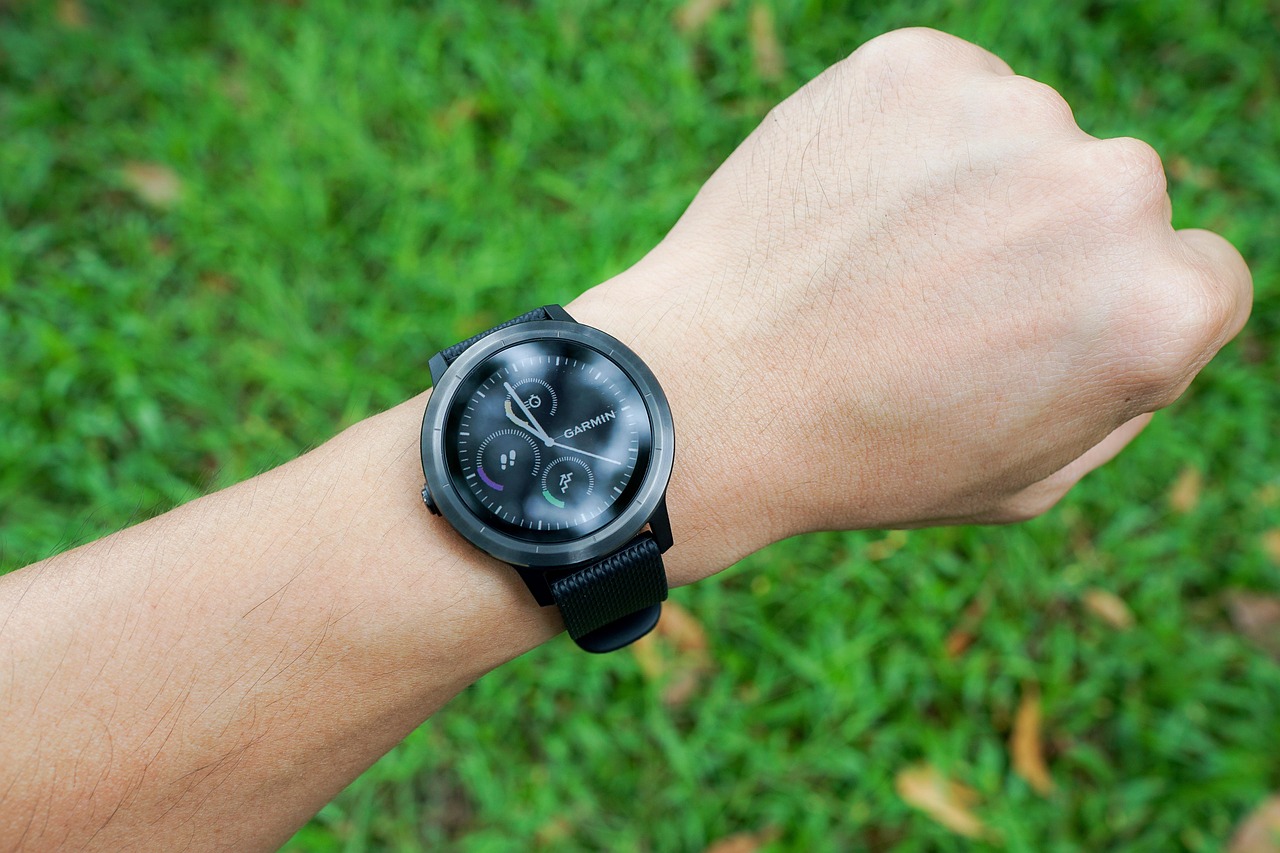

Fitness Bands vs Smartwatches: Which is Better for Training?
When it comes to wearable fitness devices, consumers often find themselves caught between the options of fitness bands and smartwatches. Each has their own unique features, advantages, and disadvantages, making them suitable for different types of users. Fitness bands, typically more streamlined and lightweight, focus primarily on tracking physical activities such as steps, heart rate, and sleep patterns. Many users appreciate the simplicity of fitness bands, especially for workouts and daily exercise routines. They provide essential data that helps maintain a healthy lifestyle without overwhelming the user with notifications or apps that smartwatches often feature. On the other hand, smartwatches offer a more comprehensive experience. With the capability to run various apps, they can provide notifications for calls, messages, and social media alerts, making them almost an extension of your smartphone. This could be seen as a double-edged sword, as it may distract users during workouts. Ultimately, the choice between fitness bands and smartwatches depends on individual fitness goals and lifestyle preferences. A clearer understanding of each device will help users make more informed decisions based on their specific needs.
Key Features of Fitness Bands
Fitness bands are designed with specific features that cater to health enthusiasts. Primarily, they monitor heart rate and track various physical activities, such as walking, running, and cycling. Most fitness bands also come equipped with sleep tracking capabilities that analyze sleep patterns, providing users with vital insights into their nightly rest. This information can be incredibly helpful for users who are serious about improving their overall wellness. Battery life is another key aspect of fitness bands, often lasting several days per charge. This can be especially beneficial for individuals who want a hassle-free experience without frequent charging interruptions. Additionally, fitness bands usually come at a more budget-friendly price point compared to smartwatches, making them accessible for a broader audience. They also tend to be more focused on the essentials, avoiding unnecessary distractions while exercising. Users can easily set daily goals for themselves and monitor their progress directly on their wrist. Some advanced models even integrate features like GPS, and notifications, adding further value to users who desire a more complete training experience. Overall, fitness bands are a solid choice for those committed to tracking their fitness journey.
Smartwatches are often considered the jack-of-all-trades in the realm of wearable technology. One significant advantage is their multifunctionality, serving as both a fitness tracker and a daily productivity tool. Smartwatches allow users to receive notifications directly from their smartphones, which can be convenient during workouts. Users can interact with messages and phone calls without reaching for their phones. Many smartwatches also feature robust app ecosystems, including fitness apps that provide comprehensive workout analysis. This integration can significantly enhance the training experience by offering features like guided workouts, nutrition tracking, and even coaching. Though they come with more advanced functionalities, smartwatches typically have shorter battery life compared to fitness bands due to their constant use of notifications and vibrant displays. Furthermore, smartwatches often include advanced sensors for tracking activities like swimming and cycling, providing a more accurate picture of one’s fitness levels. A downside, however, is that these added features can become overwhelming for users who only wish to focus on their workouts. For many fitness enthusiasts, the choice comes down to personal preferences, as functionality varies widely across different models.
Comparing Battery Life and Durability
When it comes to fitness devices, battery life plays a crucial role in user experience. Fitness bands generally excel in this area, often lasting a week or more on a single charge. This long battery life allows users to track their activities without the need to frequently recharge. In contrast, smartwatches typically need to be charged every one to three days, depending on usage. This can become a hassle, particularly for users who wish to wear their device continuously, including during sleep. Additionally, fitness bands are usually built with durability in mind. They are often sweat-resistant and lightweight, making them great for high-intensity workouts. Many can withstand outdoor elements, from rain to dust, ultimately supporting a more active lifestyle. On the other hand, smartwatches, while more versatile, may not always prioritize rugged construction and can be prone to damage if subjected to harsh conditions. Users who prioritize durability and long-lasting battery life may find fitness bands to be a more reliable option, especially during outdoor activities. However, smartwatches provide a richer user experience with notifications and apps that enhance the overall fitness journey.
The level of customization available on both fitness bands and smartwatches is another factor to consider. Fitness bands typically offer basic functionality, focusing on health metrics and light personalization through interchangeable bands and watch faces. They are often sufficient for users who want a straightforward device that tracks their fitness without any additional frills. On the other hand, smartwatches provide extensive customization options. Users can choose from a wide array of apps, watch faces, and features to match their personal style and preferences. This customization extends to health tracking metrics, enabling specialized settings for different workout regimes, such as running or cycling. Moreover, with various notifications and apps, users can tailor their smartwatch experience to seamlessly integrate into their daily lives. However, this level of personalization may lead to potential distractions, making it essential for users to find a balance between functionality and focus. Even though fitness bands are limited in terms of customization, their primary function remains highly effective for users whose main goal is to enhance their physical fitness routines.
Conclusion: Which is Right for You?
Ultimately, the decision between fitness bands and smartwatches largely depends on individual needs and lifestyle choices. If your primary goal is to track daily physical activities with minimal distractions, a fitness band may be the best fit for you. These devices excel at providing essential metrics and maintain a long battery life that makes them perfect for fitness enthusiasts. Conversely, if you value versatility and wish to stay connected while applying your fitness regimen, a smartwatch would serve you well. With apps and notifications, smartwatches provide a comprehensive experience that keeps you in the loop throughout the day. Before making a decision, consider your fitness habits and preferences. Are you primarily focused on achieving fitness goals, or is staying connected equally vital? Think about your daily routine and what you expect from your device. Therefore, both options have their merits that cater to different users. Knowing what features are most important to you will help simplify the decision-making process and lead to a more satisfying purchase.
In conclusion, both fitness bands and smartwatches offer valuable features for users looking to enhance their fitness journey. Fitness bands are ideal for those who seek a practical, straightforward tool for tracking activities and health metrics without distractions. Their lightweight design and long battery life promote uninterrupted training and daily monitoring. On the other hand, smartwatches offer a wealth of functions, integrating fitness tracking with full smart device capabilities. This leads to a more comprehensive experience that includes notifications, apps, and even advanced health analytics. Users will have to consider factors such as battery life, durability, customization, and personal fitness goals when choosing between these wearable devices. Both have unique features that can benefit diverse lifestyles. Whether opting for the simplicity of a fitness band or the multifunctional capabilities of a smartwatch, it ultimately comes down to personal preference and intended usage. In the rapidly evolving world of wearable technology, finding the right device that aligns with your fitness aspirations will pave the way toward success and health improvements.