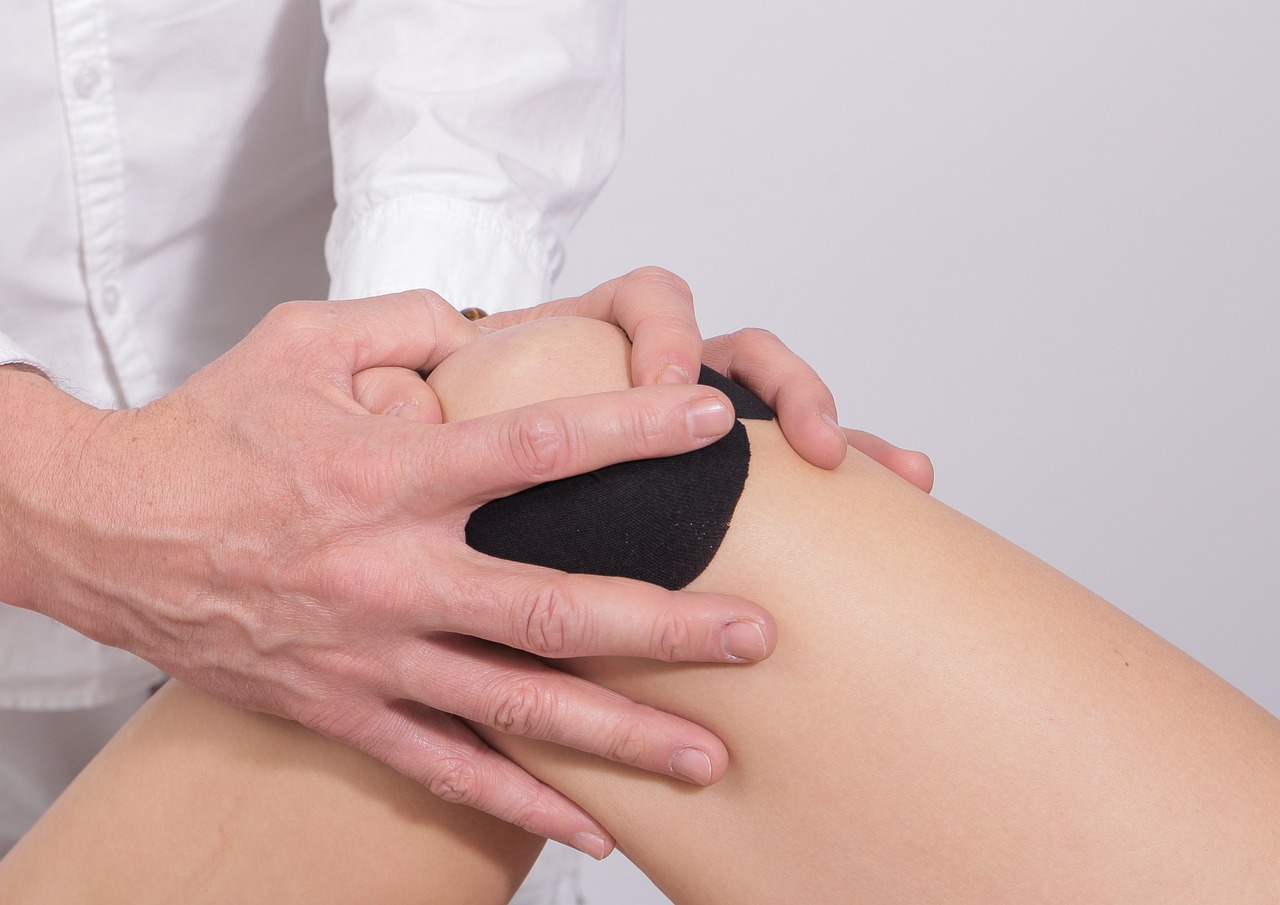

Flexibility Enhancement for Tennis Players through Sports Massage
Flexibility plays a crucial role in athletic performance, particularly in tennis. Enhanced flexibility contributes to improved range of motion, enabling players to reach for balls, execute powerful serves, and maintain balance during quick movements. For tennis players, incorporating sports massage as a key component of their training routine can lead to significant benefits. Sports massage focuses on improving muscle elasticity and reducing tension, which can result in enhanced flexibility over time. By regularly engaging in targeted massage therapies, athletes can also alleviate muscle soreness, increase blood circulation, and promote a quicker recovery from intense training sessions or matches. This, in turn, allows players to maintain their practice schedule without interruption and fosters an overall sense of well-being. In particular, techniques such as stretching and myofascial release are often integrated into sports massage routines. These methods help break down tightness and adhesions in the muscles, leading to better flexibility. Consequently, tennis players can perform their actions with greater efficiency and less risk of injury. By embracing sports massage, players not only refine their skills but also enhance their longevity in this physically demanding sport.
Understanding the role of flexibility in tennis is essential for every player looking to enhance their game. Flexibility allows players to stretch, twist, and swing without straining their muscles, which is critical during rapid on-court actions. The biomechanics of tennis, with its explosive movements, require a pronounced range of motion. Proper flexibility aids in executing powerful serves and accurate shots, minimizing the chances of injuries such as strains or sprains. The purpose of sports massage is to promote muscle recovery and increase flexibility, thereby ensuring that players can perform at their best. It is beneficial to integrate a massage routine both before and after training sessions. Pre-match massage can target specific muscle groups, preparing them for the demands of the sport and facilitating improved performance. Post-match or post-training massage focuses on relieving muscle tension and soreness, encouraging the body to recover more efficiently. As a result, players can train consistently, leading to better performance in the long run. The ultimate goal is not only to enhance immediate flexibility but also to build a sustainable approach towards athletic longevity.
Benefits of Sports Massage for Flexibility
Sports massage conveys numerous advantages specifically geared towards improving flexibility for tennis players. Firstly, it relaxes tight muscles, which may otherwise restrict movement. By employing various techniques, sports massage helps to enhance the pliability of muscle tissues. This is particularly advantageous for tennis players, who endure repetitive movements during matches. Secondly, increased blood flow stimulated by massage encourages the delivery of nutrients to muscles, which is vital for recovery and flexibility. Enhanced circulation helps remove metabolic waste products, allowing players to maintain their training intensity. Moreover, the psychological benefits of massage should not be overlooked. Mental relaxation achieved through massage can lead to decreased performance anxiety, allowing players to focus on their game. Reducing muscle tension indirectly promotes psychological comfort, which contributes further to athletic resilience. Additionally, regular sports massage builds body awareness, enabling players to better recognize their physical limitations. This awareness leads to improved technique and power during game play. A tailored sports massage program focusing on flexibility can serve as a key tool for tennis players aiming to elevate their performance while reducing the risk of injuries, thus fostering a sustainable athletic career.
An effective sports massage technique specifically for flexibility enhancement involves dynamic stretching integrated with manual therapy. Beginning with gentle strokes and kneading techniques, the therapist aims to assess and alleviate muscle tension progressively. Followed by passive stretching, the therapist aids the athlete in reaching a more significant stretch than achievable alone. This not only promotes enhanced flexibility but also instills confidence in the player as they explore their body’s limits. Trigger point therapy may also play a role in relieving specific areas of tightness that constrain flexibility. Tennis players often develop localized muscle restrictions, requiring targeted release to enable full range movements. Once these tight spots are addressed through sports massage, the player can experience breathability and fluidity in their motions. Additionally, integrating restorative techniques, like stretching post massage, ensures that muscles remain relaxed leading into subsequent training. Establishing a consistent sports massage regimen throughout the tennis season can significantly improve overall performance. The repetitive nature of tennis requires a mindful approach to wellness that emphasizes alignment between physical care and skill development.
Considerations for Tennis Players
When integrating sports massage into their training, tennis players must consider several factors for maximum effectiveness. Setting specific goals targeting flexibility can help guide massage techniques. Whether the aim is to focus on hamstring flexibility or shoulder mobility, clear objectives will refine sessions and lead to enhanced outcomes. Additionally, timing is vital. Players are encouraged to schedule massages at appropriate intervals, such as after heavy training days or competitive matches, to optimize recovery. Communicating openly with a therapist regarding areas of concern is crucial for tailoring approaches effectively. Uncovering individual patterns of tightness and muscle response will enhance the personalization of each session. Consistency in treatments can compound benefits, leading to long-term progress in flexibility. It’s also important for players to maintain an integrated fitness plan that harmonizes with massage therapy. Incorporating additional practices like yoga or dynamic warm-ups may enhance flexibility while complementing massage benefits. Ultimately, understanding that sports massage acts as part of a larger training and rehabilitation plan is pivotal. Embracing this holistic view may empower tennis players to reach new heights in their performance while preserving their health.
The journey of enhancing flexibility through sports massage is ongoing and requires commitment and adaptation. Players should not seek temporary fixes but rather aim for gradual improvement. Monitoring progress through self-assessment tools, such as flexibility tests or movement assessment, could provide valuable feedback. Additionally, incorporating mobility drills in conjunction with massage can reinforce the benefits and solidify gains in flexibility. This multifaceted approach ensures players engage in a comprehensive fitness strategy aimed at longevity. Alongside the physical benefits derived from sports massage, players may also experience emotional and mental rejuvenation. The process of regular therapeutic massage can alleviate stress and build mental resilience necessary for high-pressure situations typical in competitive tennis. Furthermore, establishing a connection with a skilled sports massage therapist can enhance the working relationship, fostering an environment of trust and open communication. In conclusion, tennis players have a powerful tool readily available in sports massage to support their flexibility goals. By effectively utilizing knowledgeable practitioners, they can unlock greater potential within their game. Ultimately, prioritizing sports massage as a crucial component will lead to better performance and healthier outcomes for each athlete long-term.
Conclusion and Future Directions
In summary, the integration of sports massage into a tennis player’s training regimen can significantly enhance flexibility and overall performance. The benefits that sports massage brings are far-reaching, affecting both physical prowess and mental state. Recognizing the role of a personalized massage strategy empowers athletes to fully utilize this resource for maximizing their competitive edge. As the world of sports science advances, additional studies on the nuances of massage techniques and their specific benefits to tennis players may emerge. Future research could explore how varying techniques impact outcomes directly correlating to flexibility, which would be highly beneficial for trainers and players alike. Staying attuned to emerging best practices is essential for athletes dedicated to continuous improvement. Further, inclusion of educational resources around sports massage in tennis coaching may foster a culture that prioritizes holistic athlete wellness. By sharing knowledge widely, players can learn to appreciate self-care’s integral role in enhancing flexibility. Finally, it is essential that players take charge of their health, engaging both in sports massage and broader fitness strategies. This will establish a resilient approach to their sport, laying the groundwork for enduring success on and off the court.
Overall, a focus on flexibility improvement through sports massage will yield significant rewards for tennis players throughout their journey. As athletes, they experience a complex and demanding sport that calls for an adaptive physical approach. Embracing sports massage within their routine not only aids flexibility but also contributes to holistic well-being. Whether competing at amateur or professional levels, integrating massage into training effectively equips players with the resilience needed to flourish. Investing in this form of therapy enhances physical capabilities while offering valuable restoration for the body and mind. Moving forward, athletes should remain proactive in monitoring their flexibility and explore traditional or modern techniques that may suit their needs. Coupling sports massage with a diverse approach to fitness ultimately brings players closer to achieving their goals. In a sport as frenetic and challenging as tennis, the benefits of enhanced flexibility through intentional self-care practices are undeniably pivotal. The journey continues as players prioritize their commitment to learning and implementing strategies for sustainable success in tennis.