
Functional Training Tips for Seniors with Osteoporosis
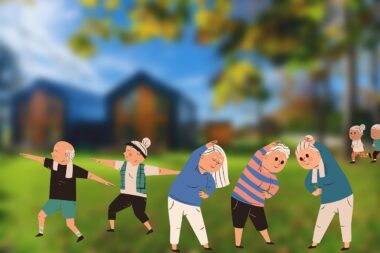
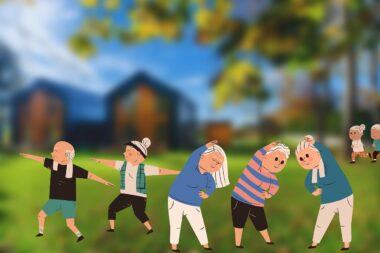
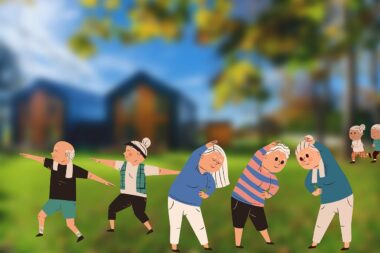
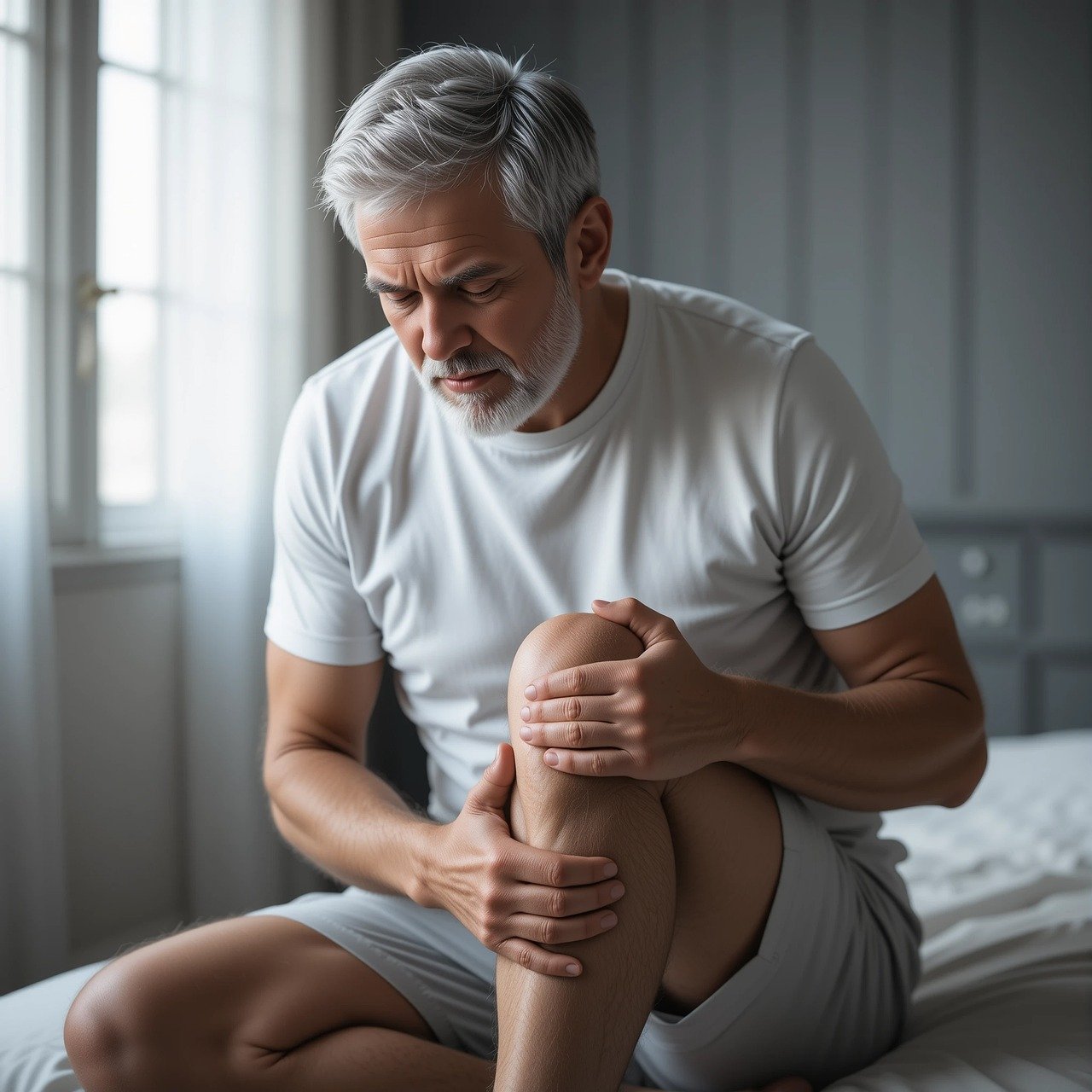
Functional training is essential for seniors, especially for those diagnosed with osteoporosis. It emphasizes exercises that enhance daily living activities, aiming to improve balance, coordination, and strength. Ensure to incorporate gentle mobility exercises, including stretching and low-impact movements, to maintain flexibility and prevent stiffness. Focus on strengthening the core, lower body, and upper body through controlled exercises. Engage in stability exercises that may include standing on one leg or using a stability ball, encouraging balance practice. Additionally, incorporating resistance bands can aid in building muscle without straining bones. Always perform exercises in a safe environment, preferably with a qualified instructor assisting, to prevent injuries. Monitor any discomfort or unusual sensations during activity, and modify exercises as needed. Hydration plays a crucial role in joint health, so stay hydrated before, during, and after exercise. Set realistic fitness goals tailored to individual abilities. Be consistent in practice to see gradual improvements, and celebrate small milestones achieved. Overall, a well-rounded approach to functional training can significantly assist seniors in maintaining their independence and quality of life despite osteoporosis-related challenges.
A qualified fitness instructor can greatly enhance seniors’ functional training experiences, providing personalized guidance. When beginning a functional training program, the initial step is to conduct a thorough assessment of the individual’s physical abilities and limitations. This assessment allows the trainer to tailor exercises accordingly, ensuring safety and effectiveness. It’s crucial for seniors to understand their capabilities and boundaries, which can help prevent injuries. Trainers can introduce modifications to familiar exercises, focusing on strength training using body weight or light weights gradually. Exercises like squats, lunges, or gentle push-ups can be introduced. As strength builds, resistance can be increased gradually to promote bone density safely. Incorporating aerobic activities is also vital to support overall health, such as walking or cycling. Performing functional exercises that mimic everyday tasks improves practical strength and endurance. Establishing a routine while enjoying the exercises makes them more sustainable over time. Social interactions during group sessions can significantly boost motivation for seniors. Participants are encouraged to express their feelings and experiences, promoting a supportive community. This emotional aspect becomes increasingly important for overall health, improving adherence to the training program.
The Importance of Flexibility and Balance
Flexibility and balance are crucial components of functional training for seniors. Incorporating stretching exercises routinely can significantly enhance joint mobility and decrease the risk of injury. Gentle stretching of major muscle groups aids in maintaining optimal range of motion. Additionally, balance exercises are necessary to minimize falls, a common concern for individuals with osteoporosis. Activities such as tai chi or yoga can help improve balance while promoting relaxation. Other balance exercises include heel-to-toe walking, standing on one foot, or agile side steps. Utilizing sturdy support, like a wall or chair, allows seniors to feel secure while performing balance exercises. Progressive muscle relaxation techniques can be introduced during sessions, assisting in stress reduction and emotional wellness. It’s essential to create a comfortable workout environment that encourages seniors to explore their limits while ensuring safety. Incorporating props such as yoga blocks or straps can help seniors perform stretches effectively. The ultimate goal is to cultivate confidence to promote independence in daily activities, reducing reliance on support from others. Regular practice will lead to improvements in posture, coordination, and overall confidence, which are essential for quality of life as seniors age.
Nutritional Support for Bone Health plays an essential role alongside functional training for seniors with osteoporosis. A balanced diet rich in calcium and vitamin D is paramount for maintaining bone density. Foods such as dairy products, leafy greens, nuts, and fortified cereals significantly contribute to calcium intake. Exposure to sunlight is also vital to enable the body to produce vitamin D, which is crucial for calcium absorption. Selections of fatty fish and egg yolks enrich dietary vitamin D levels. Seniors may consider supplementation if dietary sources are insufficient. Regular check-ups with healthcare professionals can provide insights regarding specific nutritional needs, tailored to individual conditions. Hydration remains important; drinking enough water daily aids overall body function and health. Aside from physical activity and nutrition, mental wellness influences health outcomes. Encouraging social interactions during mealtime can motivate seniors to nourish better. Setting meal routines promotes regular eating patterns, while elevating mental health can boost enthusiasm for eating nutritious foods. Encourage families and caregivers to assist in making healthy meals readily available. Combining nutritional strategies with functional training yields optimal results, supporting bone health and ensuring improved physical performance for seniors with osteoporosis.
Monitoring Progress and Adjustments
Monitoring progress in functional training programs for seniors with osteoporosis is vital to ensure they are effective and safe. Establishing clear objectives allows individuals to track their advancements over time. These goals should encompass strength, balance, flexibility, and overall fitness levels, providing a comprehensive overview of progress. Regular reassessments with physical trainers or healthcare providers can help indicate when adjustments are necessary. If specific movements or exercises become too easy, modifications can enhance their effectiveness. On the other hand, if difficulties arise, consider simplifying or substituting the activity to suit the current capabilities. Keeping a written record of the exercise routine serves as a motivational tool for seniors, encouraging them to stay engaged in their practice. This documentation might include dates, exercises performed, and feelings while engaging in activity, highlighting both successes and challenges. Additionally, engaging with support groups allows seniors to exchange tips and experiences, fostering a solid community. Feedback from peers regarding progress can be incredibly uplifting. As seniors gain confidence, they are more likely to continue practicing functional training regularly, knowing its benefits for their health and daily lives.
Incorporating technology in functional training can greatly enhance seniors’ fitness experiences. Various smartphone applications provide guided workouts specifically tailored to seniors, promoting accessibility and convenience. These apps often feature video demonstrations of exercises ensuring proper techniques are followed. Furthermore, wearable devices track daily activities, offering insights into calorie burn and steps taken, motivating seniors to stay active. Online fitness classes can provide a sense of community and support, allowing participants to connect with others during their routines. Encouragement from virtual friends can boost morale during challenging times, fostering motivation. It’s essential to choose user-friendly technologies to ensure seniors can navigate them easily. Family members can aid in exploring effective apps while offering support during the initial stages of use. Additionally, choose devices that allow customization of notifications based on individual productivity goals, ensuring consistent engagement. Emphasizing the functionality of technology empowers seniors to take charge of their health. Combining technology with functional training reinforces the commitment to health and wellness. Ultimately, this approach aids in bridging the gap for those who may struggle with traditional exercise methods, so the results become more fulfilling and beneficial towards improving life quality.
Lastly, developing resilience through positive reinforcement is crucial for seniors engaged in functional training. Encouragement and praise for effort during exercise can lead to improvements in an individual’s mindset. Celebrating small accomplishments enhances motivation, reinforcing the belief that they can overcome challenges. Encourage seniors to share their successes, no matter how minor, fostering a supportive atmosphere. Implementing group classes designed for individuals with similar experiences promotes camaraderie and shared learning. It’s essential to remind seniors that setbacks can occur, and emphasizing patience is vital. Offering consistent support complements their physical journey, establishing an encouraging framework. Following each session, post-feedback discussions can help seniors articulate their feelings, reinforcing learning and collaboration. Trainers and caregivers should recognize individual journeys, adapting activities as they progress. This personalized approach nurtures growth and independence, empowering seniors beyond physical pursuits. Creating an engaging atmosphere through adaptive practices cultivates a trustworthy environment where seniors feel valued. Ultimately, building resilience offers the tools necessary to incorporate functional training into their daily lives effectively. Through gradual progress, seniors can maintain independence, enjoy a fulfilling life, and foster lasting wellness.