
The Role of Iron in Endurance Performance and How to Prevent Deficiency
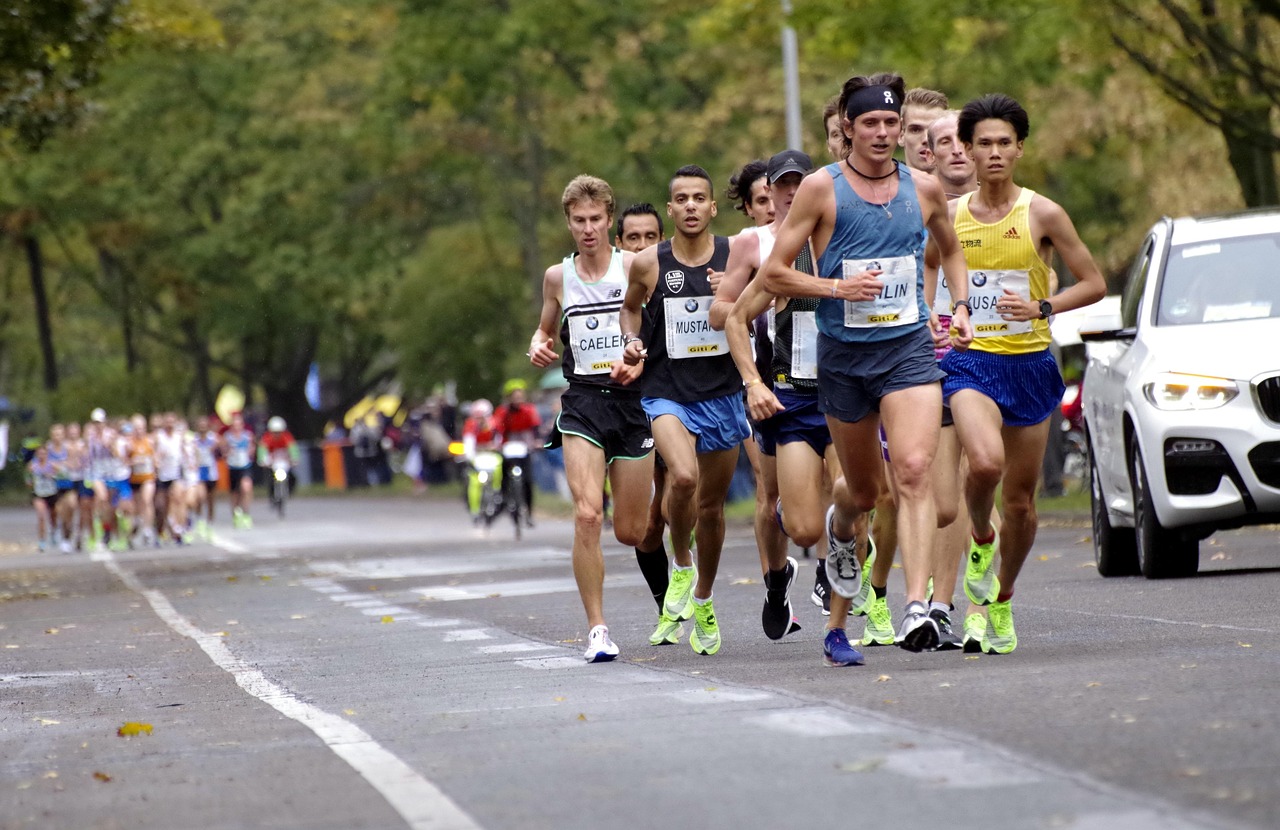
Iron is a crucial mineral for endurance athletes, playing a vital role in the transportation of oxygen throughout the body. It promotes effective energy production during prolonged physical activity, impacting performance significantly. Without adequate iron levels, athletes may experience fatigue, decreased stamina, and compromised overall performance. The human body contains about 3-4 grams of iron, mainly found in hemoglobin, myoglobin, and various enzymes. For endurance athletes, maintaining optimal iron levels is essential, given their increased physical demands leading to iron depletion. If an athlete’s iron stores become low, they may suffer from iron deficiency anemia, a serious condition hindering performance. The symptoms include weakness, shortness of breath, and diminished exercise capacity. It is essential to regularly monitor iron levels through blood tests to avoid such deficiencies. Athletes, especially those following vegetarian or vegan diets, need to be particularly aware of their iron intake, as plant-based sources contain non-heme iron which is less absorbable. A well-balanced diet rich in iron sources can help ensure endurance athletes maintain their energy levels and peak performance during their training.
Sources of Iron for Endurance Athletes
There are two primary types of dietary iron: heme and non-heme iron. Heme iron, found in animal products, is absorbed more efficiently than non-heme iron, which comes from plant sources. Endurance athletes can benefit from both types of iron, so it’s important to include a variety of iron-rich foods in their diets. Good sources of heme iron include red meat, poultry, and fish, while non-heme iron can be found in legumes, nuts, seeds, dark leafy greens, and fortified cereals. To enhance the absorption of non-heme iron, pairing these foods with vitamin C-rich items such as citrus fruits, bell peppers, and broccoli is recommended. Consuming iron-rich meals with acidic foods or drinks can significantly improve absorption. Additionally, it is essential to limit the intake of calcium-rich foods or beverages, as calcium can inhibit iron absorption when consumed simultaneously with iron sources. Awareness of these dietary strategies will aid endurance athletes in optimizing their iron intake, thus preventing deficiencies while ensuring they can perform at their best during training and competition.
Regularly assessing one’s diet is crucial for athletes to prevent iron deficiency. It’s recommended that endurance athletes track their food intake to ensure they meet their nutritional needs adequately. Supplements could be considered for those unable to get enough iron from food alone, although it’s advised to consult with a healthcare professional before starting any supplementation. Excess iron can lead to toxicity, making it important to determine the correct dosage. Blood tests can identify iron deficiency levels, allowing for tailored dietary changes or supplementation if necessary. Athletes should educate themselves on the symptoms of iron deficiency anemia, which include fatigue, irritability, and decreased performance. Emphasizing the importance of a balanced diet rich in iron can contribute to preventing deficiency while maintaining endurance. Aiming for food diversity and being mindful of nutrient interactions during meals can also help athletes maximize their iron absorption. Such strategic dietary modifications support optimal athletic performance while safeguarding against the risks of iron deficiency. Continuing research into nutritional strategies for enhancing athletic performance suggests a greater understanding of iron’s role could further empower athletes to reach their potential.
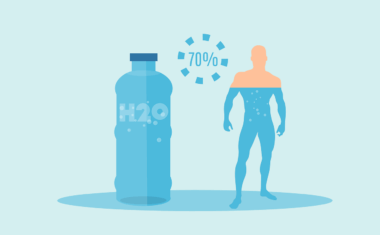
In addition to dietary measures, hydration is another factor that can influence iron levels. Dehydration may lead to dilution of blood, making it difficult to gauge actual iron levels. Proper hydration facilitates efficient circulation, allowing transport of oxygen and nutrients, including iron, to muscle groups. Consequently, ensuring optimal hydration levels during training and competition is crucial for endurance athletes. The balance between iron intake and hydration helps to create an ideal environment for endurance performance. Balancing electrolytes through proper hydration can also minimize the risk of fatigue and muscle cramping. Be sure to keep track of fluid intake before, during, and after workouts to promote recovery and peak performance. Sports drinks that contain electrolytes can be beneficial following intense training sessions. Athletes should learn to listen to their bodies, taking note of signs of dehydration or nutrient deficiencies. Moreover, collaborating with a sports nutritionist can provide personalized guidance that focuses on hydration and iron requirements. This holistic approach supports sustained endurance performance and overall well-being for endurance-focused athletes striving to excel in their discipline.
Symptoms and Signs of Iron Deficiency
Awareness of iron deficiency symptoms is critical for athletes looking to maximize performance. Common signs include uncharacteristic fatigue, weakness, pale skin, and shortness of breath during physical activity. Endurance athletes may also notice a decrease in overall athletic performance, with increased heart rates during exercise. Another significant indicator could be a decrease in training enthusiasm or sudden drops in stamina. Regular check-ins with performance metrics can help identify when training may be affected due to low iron levels. Moreover, some athletes might experience restless leg syndrome or frequent headaches. Any combination of these symptoms could indicate a need for a dietary evaluation or nutritional assessment. Furthermore, the physical demands of endurance training may render athletes more susceptible to iron deficiency, underscoring the importance of preventive measures. Self-awareness is essential; athletes should be observant of their bodies and how they respond to training sessions, especially when nutrition and iron intake are involved. Ensuring regular communication with coaches can lead to timely adjustments to training plans in response to any identified health issues.
To avoid iron deficiency, endurance athletes should prioritize a nutrient-dense diet while being mindful of their training regimen. Education around food choices, cooking methods, and food combinations is vital for athletes to succeed. For example, cooking with cast-iron cookware can increase iron content in meals. Athletes should also be conscious of their training schedule, as periods of intense training may elevate iron needs. Post-exercise meal timing becomes critical as well, as the body is most receptive to nutrient absorption in the hours following a workout. Planning meals around training sessions can enhance recovery and improve overall performance. Additionally, fit athletes should incorporate iron-rich snacks throughout the day to ensure an adequate supply. Keeping a food log may aid in better understanding individual eating patterns and nutritional intake. This approach can facilitate necessary adjustments over time. Consistency is key when aiming to prevent deficiency, with regularity in meal planning and dietary habits as essential components of athletic success. With proper knowledge and adherence to these guidelines, athletes can optimize iron levels crucial for endurance performance.
Conclusion and Best Practices
In conclusion, the role of iron within endurance training is undeniably paramount. Its influence on oxygen transport and overall energy levels cannot be overlooked by athletes. With the right information and practical dietary strategies, endurance athletes can effectively prevent iron deficiency while maintaining optimal performance. Understanding food sources, absorption methods, signs of deficiency, and incorporating hydration practices is essential. Ultimately, embracing a proactive mindset towards diet and nutrition will benefit not just performance but long-term health. Athletes are encouraged to seek knowledge from registered dietitians or sports nutritionists to ensure personalized dietary plans. Tests should be conducted periodically to monitor iron levels, assisting in timely dietary adjustments. Athletes of all levels must remember that maintaining adequate iron levels is not just about performance but also about overall well-being and health. By indelibly incorporating these best practices and knowledge into training routines, endurance athletes can achieve their potential and elevate their performance consistently. With commitment and awareness, issues related to iron deficiency can be managed effectively, allowing athletes to focus more on their training and performance outcomes.