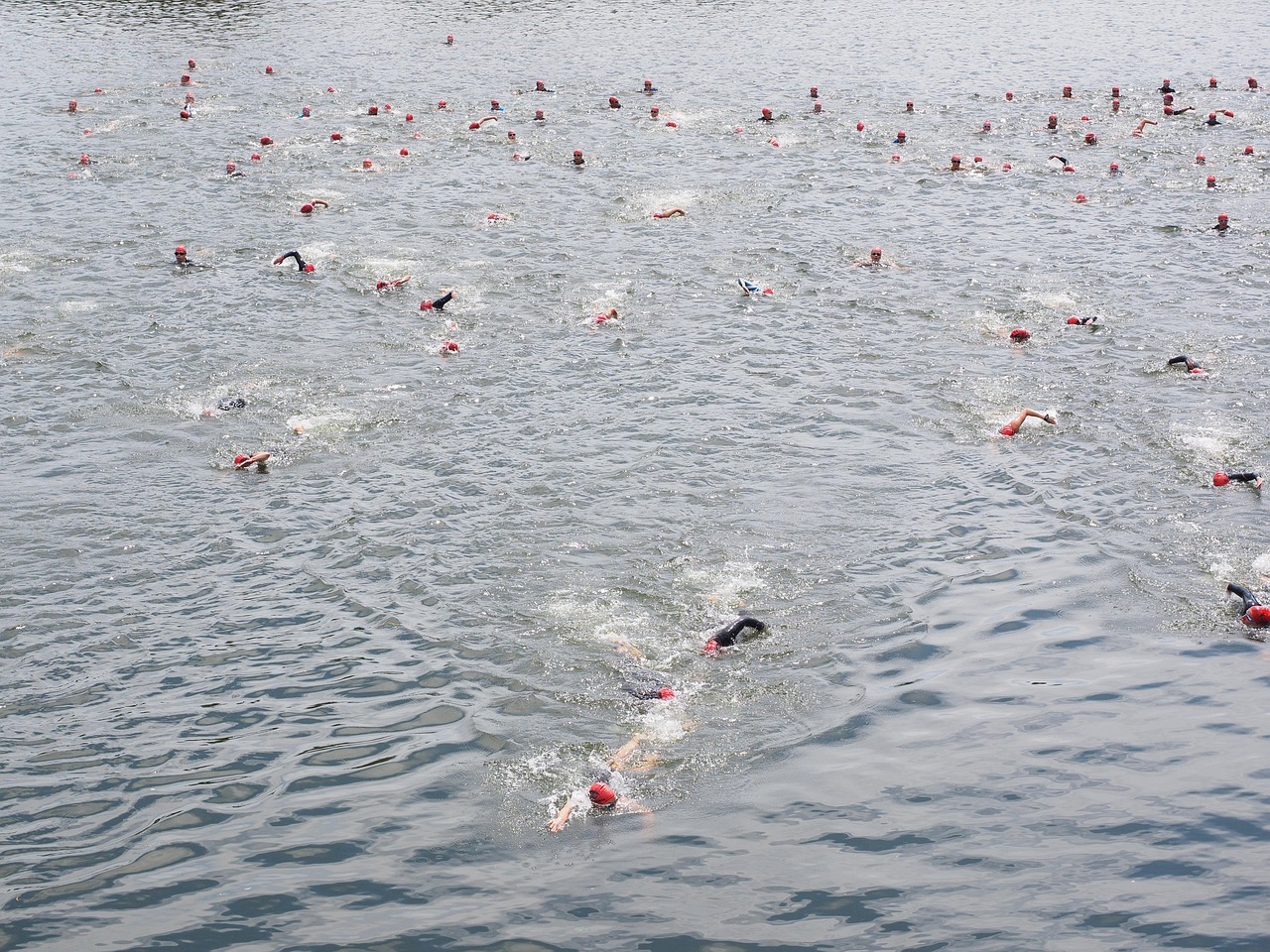

Understanding Swim Technique Basics
To excel in triathlon water events, mastering swim technique is essential. This involves working on body position, stroke mechanics, and breathing patterns. A streamlined position reduces drag, enabling faster swimming. Focus on maintaining a horizontal alignment from head to toe, allowing your core to engage effectively. Place your arms at the right angle at entry and ensure proper catch in the water. Training effectively with drills is essential, so consider incorporating specific sets that reinforce each technique element. Freestyle drills, for instance, can enhance your efficiency. To facilitate these improvements, maintaining a consistent training schedule is vital. Strengthening your body through dry-land exercises complements swim training significantly. Engage in core workouts to provide the stability needed for an effective stroke. Additionally, pay attention to your breathing mechanics. Developing a rhythm will help avoid fatigue. Incorporate bilateral breathing into your practice, allowing balanced muscle development and improved sighting during races. Conclusively, understanding the fundamentals forms a solid foundation and boosts your confidence in triathlon competitions, thus assisting your overall performance in the water.
Drills for Enhanced Performance
Implementing specific swim drills into your training can greatly improve your swim technique. Start with drills focusing on different stroke elements, such as keeping a straight arm or maximizing the catch phase. For example, the “zip-up drill” focuses on maintaining a straight arm alignment while swimming. Another effective drill is the “one-arm swim,” allowing you to focus on mastering the mechanics of each arm separately. This can significantly enhance your awareness of body rotation and hip engagement. Consider incorporating the use of fins in some sessions as they can help reinforce proper positioning and enable faster speeds while maintaining good form. Furthermore, drills using a pull buoy can help isolate the upper body during your training, ensuring you gain strength while minimizing leg fatigue. Regularly practicing these drills will build muscle memory and confidence during actual race conditions. Stay consistent, and make sure to dedicate time in each session for technical focus. Over time, you will notice improvements in not only your speed but also your overall enjoyment while swimming in triathlon water events. Consistent practice drives mastery in your technique as a triathlete.
Gradual Distance Build-Up
One of the essential aspects of improving your swim technique in triathlon events is gradually increasing your swim distance. It is crucial to develop endurance alongside speed and technique. Start by setting baseline distances that suit your current skill level and build on them every week. For instance, if your standard workout is one kilometer, attempt to increase this distance by ten to twenty percent in subsequent weeks. Progressive distance training not only reinforces stamina but also allows for the refinement of your technique during longer sessions. During these extended swims, practice sustained breathing and stroke efficiency, ensuring you maintain form while fatigued. Staying relaxed during longer swims is vital; concentrate on rhythm rather than speed at this distance stage. Periodically, include test swims to gauge your progress. This will instill confidence in your swimming capabilities leading up to the event. If possible, simulate race conditions by practicing open water swims instead of a pool to acclimatize fully. Over time, consistent distance training leads to improvements in comfort and performance, preparing you for the challenges faced in triathlon water events.
Technique-focused Feedback
Receiving feedback on your swim technique can significantly enhance your performance in triathlon water events. Engage with coaches who specialize in swimming biomechanics. They can provide insights unique to your stroke characteristics, improving your efficiency. For a less formal approach, consider using underwater video analysis, enabling you to review your strokes in detail. Observing video feedback can highlight areas that require attention, such as catch and pull mechanics. Share your goals with your coach to ensure they understand your objectives. Establish regular check-ins to discuss continuous improvements and adjustments needed. Furthermore, do not underestimate the value of peer feedback during training sessions. Training with experienced athletes allows for valuable knowledge exchange and self-improvement. Be open to criticism, as it fosters a learning environment where practice leads to mastery. Additionally, track your performance metrics after each workout. Recording times, stroke counts, and perceived exertion will pinpoint your progress. Stay committed to regular assessments, focusing on refining your technique consistently over time. Continual feedback loops create pathways for advancement throughout your swim training.
Cross-Training Benefits
Incorporating cross-training techniques can immensely improve your swimming performance in triathlon events. Engaging in activities such as cycling, running, or strength training diversifies your fitness regimen and enhances your overall conditioning. Each of these sports provides unique benefits; for instance, cycling strengthens the legs, contributing to better propulsion during swimming. Strength training focuses on core stability and muscular endurance, which are crucial for maintaining optimal swim form. Additionally, integrating yoga can improve your flexibility and breathing awareness, supporting a more relaxed swim technique. Engaging in different sports also helps prevent burnout and injury, keeping your mind fresh for swim training. Schedule cross-training sessions to balance swim workouts effectively. Periodically participating in non-swimming activities keeps motivation high while reinforcing your fitness base for triathlons. Encourage a consistent yet flexible approach to fitness, ensuring adequate recovery time post-training. Therefore, diversifying your exercise routine stimulates various muscle groups, leading to improved performance when you do return to the water. Maintain a blend of swim-specific drills alongside comprehensive fitness practices to optimize your condition when competing in triathlons.
Race Day Preparation
Preparing for race day is critical for showcasing your improved swim technique in triathlon events. Familiarize yourself with race conditions by practicing in open water at similar times to the event. This prepares you mentally and physically for elements like water temperature and currents. Make a detailed plan for race day, including gear checks, nutrition, and warm-up routines. Prioritize rest days leading up to your event, ensuring you arrive fresh and ready to compete. Consider your swim gear as well; ensure your wetsuit fits appropriately for maximum efficiency. A comfortable fit enhances your buoyancy and reduces drag while swimming. Rehearse your pre-race routine to discover what works best for you under pressure. Start practicing visualization techniques that focus on your swim strategy and maintain concentration. Remaining calm amid pre-race anxiety will benefit your overall performance. Finally, familiarize yourself with the course layout, including entry and exits; this facilitates a smoother transition. Keeping a checklist will minimize any last-minute mishaps as you gear up for the triathlon. Proper preparation translates technique improvements into race performance.
Consistent Post-Race Reflection
After completing your triathlon water events, it is critical to engage in post-race reflection to analyze your swim performance. Take notes regarding what went well and areas requiring improvement during your swim. Evaluating your performance allows you to identify learning opportunities, further reinforcing your swim technique. Consider timing, form, and energy levels throughout the race. Engage with coaches or training partners for additional insights about your performance. Reflect on your mindset during the race; ensuring your mental state supports your swim efforts is just as crucial. If you faced challenges, develop strategies for overcoming these difficulties in future events. Incorporate feedback from these reflections into your training regimen to address weaknesses effectively. Set specific goals for your next training cycle and remain committed to implementing changes. Stay positive and celebrate your successes, no matter how small, to maintain motivation. Building upon each race will foster continuous improvement in your swimming skills. Ensure a systematic approach to your training following each event. This consistent reflection process is key for progression in your sprint to becoming a successful triathlete.