
Understanding Proprioception
Proprioception is often referred to as the “sixth sense” in the human body. It involves the ability to sense one’s own position, movement, and equilibrium. This sensory feedback is crucial for maintaining balance and coordinating movements effectively. The proprioceptive system comprises specialized receptors located in the muscles, tendons, and joints. These receptors communicate vital information about body positioning to the brain. Without proprioception, tasks like walking or reaching for an object would be challenging. Our daily activities rely heavily on this unnoticed sense, making it fundamental for education and performance in sports. Training that emphasizes proprioceptive skills can enhance athletic abilities significantly. Moreover, proprioception plays a vital role in rehabilitation following injury. Specialists often create tailored programs to improve and develop proprioceptive skills post-injury. Techniques such as balance exercises and stability training are utilized for this purpose. These exercises can help restore the proper function of proprioception, ultimately increasing independence in movement and coordination. A healthy proprioceptive system aids in optimizing athletic performance while reducing the risk of injuries. The importance of fostering proprioception cannot be overlooked in both everyday life and athletic endeavors.
The coordination aspect of proprioception is pivotal as it allows for smooth, controlled movements. Understanding its neurological basis can provide insights into better training methodologies. Proprioceptors send signals to the central nervous system (CNS), which processes this information and sends back instructions for movement. This communication loop is critical for the coordination of intricate motor activities, such as playing an instrument, performing a dance, or executing a sports technique. More importantly, during complex movements, the brain integrates proprioceptive feedback with visual and vestibular information. Such integration ensures total body responsiveness and adaptability in diverse environments. Studies involving athletes reveal that those with well-developed proprioceptive senses exhibit superior coordination, agility, and overall performance. For instance, research highlights that athletes who train specific proprioceptive skills show improved on-field decision-making, enhancing their tactical performance. Professional trainers often incorporate proprioception exercises into athletes’ regimes, ensuring that they develop not only strength but also body awareness. Such practices have led to significant advancements in injury prevention strategies. Enhancing proprioception contributes to better body control, thus allowing athletes to use their physical skills at their highest potential and effectively prevents injuries.
Impact on Athletic Performance
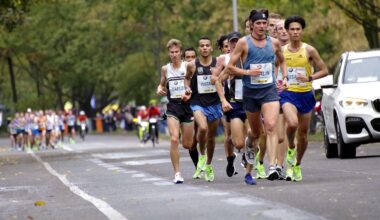
Proprioception has a profound impact on athletic performance across varied sports. When athletes possess refined proprioceptive abilities, they demonstrate enhanced coordination under pressure. This is particularly vital in team sports, where rapid changes in direction and speed are common. Players with sharp proprioceptive skills can react instinctively to opponents or environmental conditions. Enhanced proprioception helps a basketball player successfully navigate through defenders or helps a soccer player maintain balance whilst shooting or passing the ball. Different types of training can specifically target proprioception. For example, balance boards, stability balls, and even advanced robotics offer innovative ways to challenge proprioceptive feedback. Therefore, including numerous balance-focused routines in training has become mainstream among athletes. Consequently, incorporating proprioceptive challenges into various workout regimens has revolutionized athlete training, facilitating better performance. Furthermore, improved proprioception aids in injury prevention by making athletes more aware of their body positioning and movement. As a result, athletic excellence can be achieved not merely through strength but also through enhanced body awareness and responsiveness, showcasing the critical role of proprioception in sports.
In addition to sports, proprioception is also influential in general physical fitness and daily activities. It plays an essential role in developing motor skills in children, particularly when learning new movements. As toddlers explore their environment and interact with different surfaces, proprioceptive capabilities sharpen, influencing their confidence and running, jumping, or climbing activities. Adults, on the other hand, often experience a decline in proprioceptive sensitivity as they age, leading to increased risks of falls or accidents. Exercises focusing on balance and coordination can significantly help older adults maintain proprioceptive acuity. Regular participation in activities like yoga, tai chi, or specific strength training can instill a sense of body awareness vital for overall well-being. Moreover, these activities can enhance self-esteem and mental focus as individuals become more aware of their physical capabilities. In rehabilitation settings, understanding and improving proprioception can be crucial for recovering individuals regaining their mobility and skills. Tailored proprioceptive training can lead to faster rehabilitation outcomes, affirming the significance of proprioception throughout life, from early motor development to elderly safety.
Neurological Mechanisms
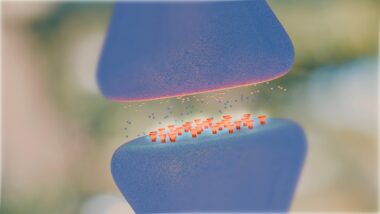
The neurological basis of proprioception is multi-faceted, involving various brain regions and neural pathways. Proprioceptive signals first travel through the spinal cord, where they undergo processing and integration. Important neural tracts carry information such as movement, position, and tension back to the brain. The brain then interprets this information, enabling muscles to contract or relax accordingly. The cerebellum plays a crucial role in maintaining balance and motor control. As a result, dysfunction in this area can lead to coordination deficits and movement disorders. Other brain regions, including the somatosensory cortex, also contribute to proprioceptive awareness. This integration occurs seamlessly, often without conscious thought. The efficiency of proprioceptive pathways can be influenced by factors such as training, age, and health conditions. For instance, research shows that continual training enhances neural connections within the proprioceptive pathways, resulting in better movement efficiency and faster reflexes. Similarly, the aging process and certain neurological conditions can impair proprioceptive functioning. Such knowledge about the neurological mechanisms allows trainers and healthcare professionals to design effective programs aimed at maximizing proprioceptive capacity.
Furthermore, proprioception is influenced by various external factors, including footwear, surfaces, and environmental conditions. For example, running on uneven terrain presents unique proprioceptive challenges that can enhance stability and coordination. By regularly exposing oneself to a variety of surfaces, an individual can develop a more acute sense of body position and movement. Additionally, the type of footwear worn can significantly affect proprioceptive feedback. Shoes designed with excessive cushioning can inhibit the body’s ability to receive critical feedback from the ground. Athletes are encouraged to use specialized shoes that enhance ground feedback while providing support and protection. In rehabilitation, understanding how external factors affect proprioception can guide the selection of appropriate exercises and environments for recovery. Occupational therapists often use specific settings to increase proprioceptive input effectively during therapy. Sustained exposure to multifaceted stimuli strengthens proprioceptive pathways and enhances coordination and balance, ultimately contributing to improved overall movement quality and efficiency. In conclusion, external factors, including surfaces and footwear, can play a vital role in shaping proprioceptive skills, confirming their importance in physical dynamics.
Conclusion
In summary, proprioception is integral to coordination and balance among all individuals, from casual movers to elite athletes. Its impact extends beyond sports, influencing daily activities and health. The interplay between the nervous system and proprioceptive feedback is significant, impacting both physical performance and injury prevention. Understanding how to cultivate proprioceptive skills can play a crucial role in developing overall motor performance and reducing risks. Engaging in exercises that enhance proprioceptive awareness can lead to a more active, confident lifestyle. Moreover, with the increasing interest in wellness and fitness, incorporating proprioceptive training into mainstream practices is important. Healthcare professionals need to stay informed about the significance of proprioception in rehabilitation settings as well. As movements continue to adapt and evolve, both in fitness and sports, knowledge of proprioception stands as a requirement. To foster coordination, balance, and movement quality, focusing on proactive training methods and proprioceptive awareness can yield profound benefits, embodying fundamental elements for overall physical health. Thus, proprioception represents a critical pillar in achieving a balanced, skilled, and injury-free movement experience for all.
In addition, it is evident that investing in proprioceptive training can accelerate performance gains in various domains. Incorporating proprioceptive exercises into regular workout regimes can transform routine fitness into comprehensive developmental experiences. Thus, the holistic improvement can be achieved, enhancing physical abilities while fostering mental resilience and spatial awareness. Programs emphasizing feedback mechanisms should be valued and prioritized in training regimens to elevate conditioning outcomes. As more research unfolds regarding proprioception and its effects on coordination, practitioners and athletes alike will benefit from these insights. Future training methods that integrate neurological understanding with practical application will further enhance athletic proficiencies. Essentially, integrating knowledge about proprioception can foster better decision-making during complex motor tasks, leading to more adept performance in competitive situations. Moreover, ongoing education about the brain’s adaptability can inspire training innovations that optimize proprioceptive functions. Promising avenues exist for creating highly tailored training interventions based on individual proprioceptive needs and performance goals. As a result, a deeper understanding of proprioception will continue to contribute to advancements in sports science, rehabilitation, and overall physical fitness.