
Addressing Common Foot Problems in Senior Runners
Common foot problems among senior runners can greatly impact their ability to maintain an active lifestyle. Conditions such as plantar fasciitis, arthritis, and bunions can affect running performance and overall foot health. As we age, our foot structure changes, making seniors more susceptible to various ailments. Preventative strategies include proper footwear choices and stretching exercises. Lightweight, cushioned shoes can provide additional support while reducing pressure on the feet. Additionally, maintaining a healthy weight helps to alleviate stress on the joints and feet. The right insoles can also play a significant role, as they can help with shock absorption and alignment. A routine that incorporates foot-strengthening exercises can enhance stability. Regular check-ups with a podiatrist ensure that any emerging issues are addressed promptly. Staying proactive in foot care is essential. Finally, seniors should listen to their bodies; any persistent pain must not be ignored. Finding a supportive community or a running group can also motivate seniors to stay active while sharing valuable tips to cope with foot problems experienced during running.
One often overlooked aspect of running for seniors is the importance of warm-ups and cool-downs. Engaging in these practices can significantly reduce the risk of injuries, particularly in the feet and ankles. Warm-ups should include low-impact activities to prepare the muscles for running. Dynamic stretches may boost flexibility and improve circulation. Examples include ankle circles, toe raises, and heel walks. Cool-downs are equally crucial; they help normalize the heart rate and prevent stiffness in the lower limbs and feet. After each run, static stretches focusing on the calves and hamstrings are beneficial for muscle recovery. Seniors should pay attention to joint health, particularly in the knees and ankles, as they help in weight distribution while running. A gradual increase in running distance or intensity is essential for avoiding strain. Consistency in running is key; however, it should be balanced with rest days to allow proper recovery. Implementing cross-training activities like swimming or cycling strengthens muscles without pressure on the feet, making it a good alternative. Ultimately, establishing a sustainable running routine can foster long-term health benefits.
Choosing Proper Footwear
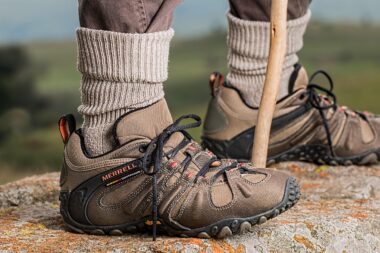
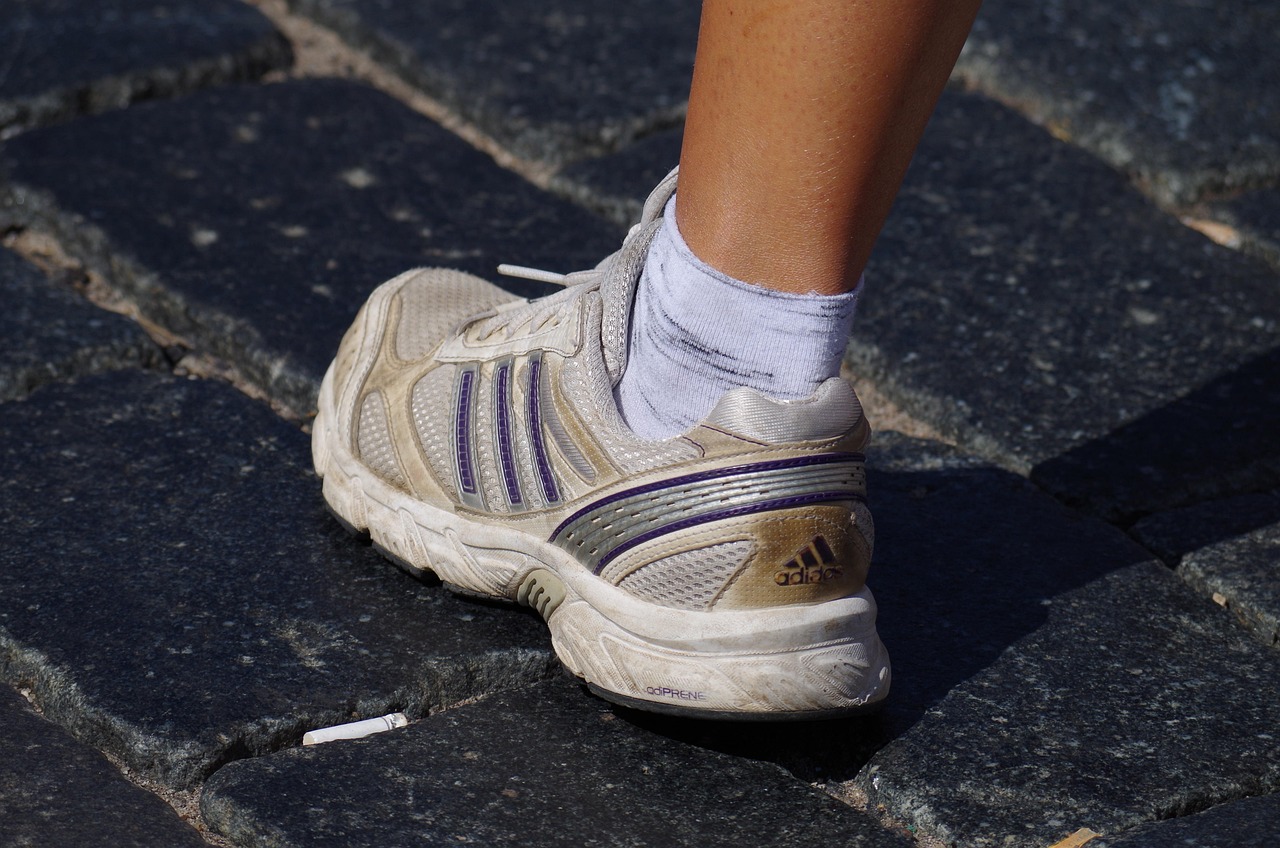
Choosing the right footwear is crucial for seniors who run. Ill-fitting shoes can lead to numerous problems, including blisters, calluses, and more serious injuries. A key first step in selecting shoes is to visit a specialty store where experts can assess foot type and gait. Knowing whether one has flat, neutral, or high-arched feet will guide shoe selection. Cushioning is vital; look for shoes that provide adequate shock absorption to protect against impact. Breathable materials are also essential, as they help keep feet dry and minimize the risk of fungal infections. Seniors should try on several options, ideally at the end of the day when feet swell slightly, ensuring a proper fit. Consider orthotic inserts if extra support is necessary, which can alleviate pressure and improve comfort. Shoes should also have a firm heel to provide stability during runs. Regularly replacing running shoes every 300-500 miles helps maintain support and effectiveness. Listening to signs of wear will often assist in deciding when a replacement is necessary. Overall, proper footwear is a vital investment in maintaining foot health for senior runners.
Foot care extends beyond just choosing shoes; it incorporates regular assessments of foot health. Seniors should inspect their feet regularly for issues like cuts, blisters, or calluses. Any changes in foot skin color or temperature can also indicate potential problems. Moisturizing the feet helps prevent cracks, which are common in dry skin, particularly for the elderly. However, seniors should avoid applying lotion between the toes, as this can encourage fungal infections. Nail care is equally important. Regularly trimming nails properly helps prevent ingrown toenails or other painful conditions. If seniors face difficulty in seeing or reaching their feet, using a nail clipper with a handle can be beneficial. They might also consider visiting a podiatrist for professional nail care. Additionally, keeping the feet clean is essential; washing with mild soap and drying thoroughly between the toes can help eliminate moisture that fosters bacteria. If a senior has diabetes, foot care takes on added significance due to the risk of complications. Comprehensive foot health education and preventive measures can significantly enhance a senior’s running experience.
Staying Hydrated and Nutrition
Proper hydration plays an essential role in a senior’s running regimen. Dehydration can lead to cramping and fatigue, increasing the risk of injury. Seniors should aim to drink water before, during, and after their runs. Factors such as temperature, humidity, and personal sweat rates can influence hydration needs. A simple guideline is to drink approximately half of your body weight in ounces daily. During longer runs, electrolyte drinks can help replenish lost minerals. Additionally, a well-balanced diet supports energy levels and overall health. Seniors should focus on whole foods rich in complex carbohydrates, lean proteins, and healthy fats. Foods like whole grains, fruits, vegetables, nuts, and lean meats can provide sustained energy for running. Specific vitamins and minerals, such as calcium and vitamin D, support bone and muscle health. It’s also beneficial for seniors to monitor their weight and body composition, as excess weight can affect their running performance. Regular physical activity combined with nutritious eating habits can improve not only foot health but overall well-being too. Adopting a holistic approach will yield the best results for senior runners.
Recovery techniques are vital for senior runners to avoid injuries while managing foot health effectively. Foam rolling is one technique to alleviate muscle tightness and improve flexibility in the legs and feet. Gentle yoga can enhance both strength and balance, with a focus on maintaining a healthy range of motion. Seniors may also utilize cold therapy for sore feet and inflammation post-run; applying ice for 15-20 minutes can significantly reduce discomfort. Furthermore, incorporating rest days into the weekly running routine is essential for muscle recovery. Practicing progressive rest, where intensity and duration of runs are gradually reduced before a major event or during a recovery phase, can prove beneficial. Compression socks may help reduce swelling and boost circulation post-exercise, making them suitable for seniors. Maintaining a strong core is also necessary, as it supports overall body stability while running. Strength training exercises tailored for seniors can bolster core and leg strength, contributing to a more effective running form. Prioritizing recovery not only supports foot health but enables seniors to remain active for longer periods.
Conclusion: Benefits of Healthy Feet
In conclusion, addressing foot problems is crucial for seniors who wish to run successfully. Healthy feet can enhance performance, boost confidence, and encourage regular physical activity. Taking proactive steps in foot care, shoe selection, hydration, and proper nutrition will enable seniors to navigate common challenges effectively. Understanding the importance of warmth, cool-downs, and recovery techniques can further minimize injury risk. Establishing a tailored running program that honors individual fitness levels allows seniors to enjoy the many benefits of running. Beyond physical fitness, engagement in running fosters social connections with peers, enhancing overall mental well-being. Additionally, seniors can participate in community events or fun runs that promote an active lifestyle. It is essential for seniors to remember that aging does not have to mean inactivity; with the right strategies in place, they can continue an enriching running journey. Embracing a holistic approach to foot health can encourage longevity in running habits and overall health. A proactive focus on foot care becomes the foundation that supports an active, fulfilling lifestyle.
Living an active lifestyle in senior years is achievable and rewarding, with the right knowledge and practices in place. Awareness of the foot issues that can arise is paramount in leading efforts to prevent them from disrupting running routines. Embracing good habits and seeking advice from professionals, such as physical therapists or podiatrists, can provide a solid foundation for any senior runner. Ultimately, a strong commitment to addressing foot health will result in more enjoyable and consistent running sessions, contributing to improved overall quality of life. Seeking encouragement from friends, family, or local running societies can help motivate seniors. Collaboration fosters community and shared experiences that can enhance running enjoyment. Staying informed about best practices for foot health ensures that seniors can remain engaged in the beloved activity of running. Those enthusiastic about running should not shy away from addressing concerns, including venues for planned exercise and events orchestrated for senior participants. Following a path that emphasizes progress, support, and active participation will reward seniors immensely. Foot health is not merely a matter of comfort; it embodies the essence of continued mobility and vitality.