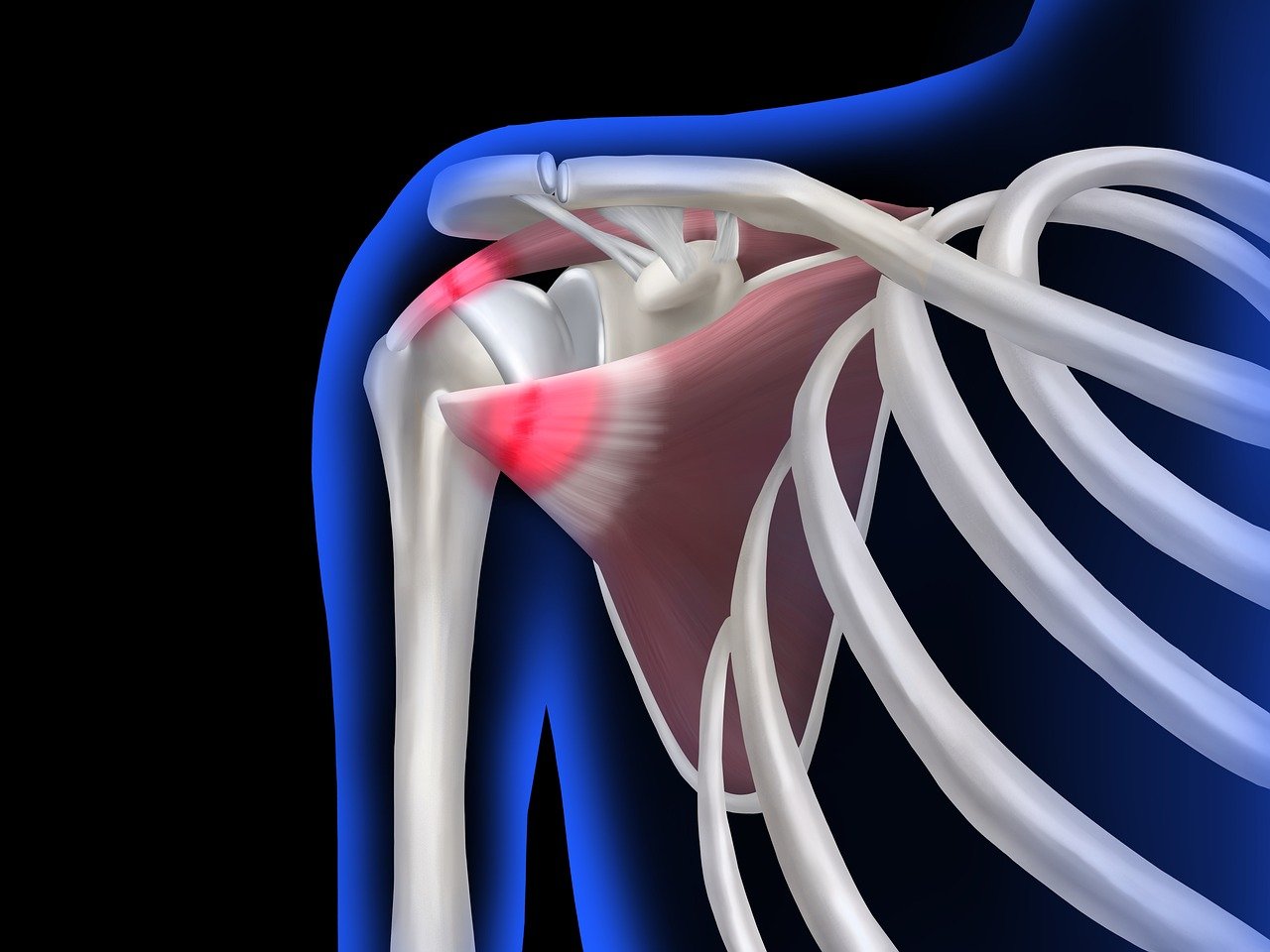

Comparative Analysis of Shoulder Injury Rates Across Sports
Shoulder injuries in sports are a significant concern, affecting athletes’ performance and career longevity. Each sport poses unique risks due to the nature of movement and physical contact involved. Various sports exhibit different rates of shoulder injuries, ranging from minor strains to severe tears. Athletes engaged in overhead sports, such as baseball and swimming, frequently experience shoulder injuries due to repetitive stress. Contact sports, such as football and wrestling, also have high injury rates, but they often involve traumatic impacts as well. Research indicates that men and women may experience different injury patterns due to physiological differences. Understanding these patterns is crucial for developing effective prevention strategies. Awareness about the types of shoulder injuries common to each sport enables athletes, coaches, and healthcare professionals to be better prepared. Implementing specialized conditioning and training programs can significantly reduce injury rates. Rehabilitation and recovery protocols must also be tailored to the specific demands of each sport, ensuring that athletes return to competition safely and effectively. Ultimately, a comprehensive understanding of shoulder injury rates across sports contributes to promoting athlete health and performance.
Impact of Sport Types on Shoulder Injury Prevalence
The prevalence of shoulder injuries often correlates with the type of sport. Research demonstrates that sports involving repetitive overhead motions have higher rates of shoulder injuries compared to non-overhead activities. For example, baseball pitchers frequently suffer from rotator cuff injuries due to the strenuous throwing motion required. Similarly, swimmers often deal with shoulder pain linked to their swimming strokes. Conversely, non-overhead activities, such as rugby, while still hazardous, do not typically result in the same frequency of shoulder injuries. The mechanics of each sport play a major role in this disparity. Factors such as technique, strength, flexibility, and equipment also contribute to injury risk. Players in sports like basketball may experience shoulder injuries from falls or collisions, caused by the dynamics of the game. Education regarding injury risk is crucial for all athletes, regardless of sport. Incorporating strength training and proper technique can help mitigate risk. Furthermore, training regimens should be periodically adjusted based on the athlete’s growth and changing sport demands. By acknowledging how sport types influence injury prevalence, appropriate modifications can enhance athlete safety.
Athletes who compete in sports that emphasize explosive movements or physical contact, such as football or wrestling, face different shoulder injury risks. Injuries in these sports are often acute and can be associated with traumatic incidents, such as tackles or throws. In football, shoulder pads may offer protection, but players are still vulnerable to injuries resulting from direct impacts. Wrestlers are also at high risk for shoulder injuries due to the grappling and twisting movements involved, which often lead to dislocations or strain. Conversely, contact sports carry an inherent risk of injury that might be minimized through proper coaching and training strategies. Emphasis on safe play and proper techniques can significantly impact injury rates. Research indicates that coaching staff should prioritize awareness of common shoulder injuries to equip athletes with knowledge about prevention. Prevention strategies should also include appropriate warm-up and conditioning exercises aimed at enhancing shoulder stability and strength. By focusing on education and injury awareness, athletes in contact sports can adopt measures that potentially reduce their incidence of shoulder-related injuries. Enhanced safety protocols must be integral as part of athletes’ training programs.
The Role of Gender in Shoulder Injury Rates
Gender differences often emerge when analyzing shoulder injury rates across sports. Men typically engage in sports that may impose greater physical demands, resulting in specific injury patterns. Women, on the other hand, may experience distinct injury types due to biological factors and different playing styles. Studies show that female athletes may sustain shoulder injuries more frequently during overhead activities. Conversely, male athletes may experience higher rates in contact sports, where acute injuries arise from impacts. Additionally, anatomical differences, such as shoulder structure and muscle mass, play a role in susceptibility to injuries. Research suggests that women should participate in sport-specific training that focuses on shoulder stability and injury prevention. Gender-specific conditioning programs can provide tailored approaches, enhancing both confidence and performance. Furthermore, cultural and social factors may influence how injuries are reported and managed. Awareness of these disparities is crucial for developing gender-sensitive strategies in injury prevention. Encouraging open dialogue among athletes, trainers, and healthcare providers helps to create supportive environments. Ultimately, recognizing the role of gender in shoulder injury rates permits more informed choices, enhancing athlete wellbeing.
Prevention strategies tailored to specific sports can substantially decrease shoulder injury rates among athletes. Key methods include strength training focused on the shoulder girdle, flexibility exercises, and proper warm-up routines. Athletes should incorporate exercises that strengthen key muscle groups, such as the rotator cuff and scapula stabilizers. Education on proper technique while performing sport-specific movements is also essential. In addition, implementing conditioning programs that balance strength with mobility can reduce the likelihood of injuries. Coaches and trainers must monitor athletes closely to ensure they are following designated training regimens. Recovery periods must also be observed diligently, allowing adequate time for healing from injuries. Regular assessments by health professionals help in identifying potential issues early, reducing the incidence of severe complications. Moreover, fostering an athlete-centric approach enables individuals to voice their concerns regarding pain and discomfort. This proactive communication can lead to timely interventions, enhancing overall athlete health. Finally, partnering with sports medicine professionals to develop prevention programs allows for evidence-based practices tailored to specific sports. Overall, these strategic initiatives ensure athletes are well-equipped to reduce shoulder injury risk.
Future Directions in Sports Medicine for Shoulder Injuries
The future of sports medicine regarding shoulder injuries will increasingly focus on research and technology. Innovations in biomechanics may contribute to improved assessments of injury risks, leading to prevention strategies based on individual evaluations. Enhanced imaging techniques provide better insights into the early detection of soft tissue injuries, enabling timely interventions. Additionally, wearable technology allows constant monitoring of athletes’ biomechanics during training sessions. These advancements assist in identifying improper techniques, enabling immediate corrections. Furthermore, researchers aim to explore preventive training programs that incorporate insights from sports science, integrating physical therapy principles into training schedules. Collaborations between sports scientists, healthcare professionals, and coaches can create comprehensive injury prevention strategies focused on shoulder health. Moreover, societal shifts, including greater attention to mental health and athlete wellness, will also shape the future of shoulder injury management. Educating athletes about mental health’s impact on physical performance creates holistic support systems. To ensure optimal results, all stakeholders, including athletes, coaches, and healthcare providers, must engage collaboratively. Overall, a forward-thinking approach aligns with a proactive focus on athlete health, enhancing both performance and safety.
In conclusion, understanding shoulder injuries in various sports is crucial for athlete safety and performance. By examining the rates and causes of these injuries, tailored prevention strategies can be developed, leading to improved outcomes. Variance in injury types across sports highlights the need for sport-specific training and awareness. Addressing gender disparities further ensures that prevention efforts effectively cater to all athletes. As advancements in sports medicine and technology continue to emerge, trainers and healthcare professionals must stay informed and adapt to these changes. Education and open communication among athletes, coaches, and medical staff are pivotal in fostering a safe athletic environment. Emphasizing the importance of rehabilitation programs tailored to sport-specific demands will ensure athletes can return fully prepared and reduce recurrence rates. This collective approach will promote healthier participation in sports while enhancing performance. Ultimately, fostering a culture of safety and health in sports helps mitigate risks, ensuring athletes can pursue their passion without compromising their wellbeing. Ongoing studies will refine these practices, emphasizing the importance of collective responsibility within sports culture.