
Electrical Stimulation Devices: What Athletes Need to Know
Electrical stimulation therapy has gained popularity among athletes who seek ways to optimize their recovery and enhance athletic performance. This therapy uses electrical impulses to stimulate muscles, promoting healing and reducing pain. In the fast-paced world of sports, athletes are constantly seeking advanced solutions that can give them a competitive edge. Electrical stimulation devices are designed to address various aspects of rehabilitation and injury prevention, making them a valuable tool in every athlete’s toolkit. These devices can help with pain management, muscle strengthening, and improving circulation. Research shows that timely use of electrical stimulation can shorten recovery times and enhance muscle recovery. This can lead to improved performance during competitions and training sessions. It is crucial for athletes to choose the right type of stimulation device, as different units offer varying intensities and modes of electrical impulses. Athletes should consult with professional trainers or physiotherapists to select the best equipment suited for their specific needs. In this article, we explore the types of electrical stimulation devices available and their benefits in more detail. Understanding how these devices work is essential for maximizing their effectiveness.
How Electrical Stimulation Works
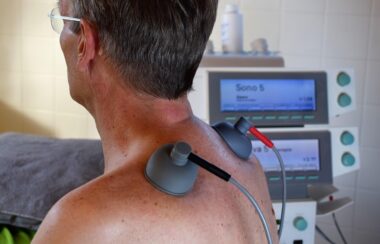
Electrical stimulation devices work by sending electrical impulses through the skin to the underlying muscles. These impulses mimic the natural signals sent by the nervous system to contract muscles. The intensity, frequency, and duration of these signals can be adjusted to achieve specific therapeutic effects. Researchers have confirmed the effectiveness of these devices in aiding muscle recovery, alleviating pain, and preventing injury. For athletes, the primary goal is to harness these benefits to maintain peak performance levels. The stimulation can increase blood flow to the target area, promoting quicker healing and reducing the risk of ongoing damage. Different modes of electrical stimulation can be employed for varied outcomes, such as muscle strengthening or pain relief. Some popular methods include Neuromuscular Electrical Stimulation (NMES) and Transcutaneous Electrical Nerve Stimulation (TENS). These methods allow trainers and athletes to customize their approach based on the injuries sustained or the desired outcomes. By understanding these techniques, athletes can make informed decisions about their recovery and rehabilitation strategies. Implementing these devices effectively can enhance overall athletic performance and reduce the likelihood of future injuries.
One of the remarkable advantages of using electrical stimulation devices is their versatility. Athletes from various sports can benefit from the therapeutic effects of electrical stimulation, whether they are recovering from an injury or enhancing muscle endurance. The devices can be used on different muscle groups, allowing for individualized treatment plans. This process is especially beneficial for athletes who have sustained muscle strains or overuse injuries that require rehabilitation. Notably, electrical stimulation therapy can be integrated seamlessly into an athlete’s training regimen. As athletes often struggle to balance recovery with training schedules, these devices offer an effective solution. They can be used during rest periods or even while engaging in other training activities. When applied correctly, these devices not only expedite recovery but also help to maintain muscle tone and strength, preventing atrophy during injury downtime. Furthermore, incorporating electrical stimulation therapy can improve the overall efficiency of recovery sessions. With advances in technology, many devices are compact and user-friendly, making them accessible for personal use. This enhances the ability of athletes to manage their rehabilitation process independently with guidance from professional support.
A key consideration when using electrical stimulation devices is the importance of proper technique and adherence to guidelines. Athletes must ensure that they are familiar with the equipment they are using to achieve optimal results. Following manufacturer guidelines regarding placement of electrodes and settings is crucial for safety and efficacy. Misuse of these devices can lead to ineffective treatment or even potential injuries. For instance, improper electrode placement can result in discomfort or ineffective muscle activation. Additionally, athletes should consult healthcare professionals prior to beginning therapy, as they can provide valuable insights on usage and best practices tailored to the athlete’s needs. Regular monitoring of progress and adjusting settings or treatment frequency may be necessary for continued improvement. Athletes should also combine electrical stimulation with other rehab techniques like stretching and strength exercises for the best outcomes. By integrating multiple recovery strategies, athletes can create a well-rounded program that enhances their rehabilitation efforts. Maintaining open lines of communication with coaches and medical staff is essential for tracking progress and making adjustments to the treatment plan as necessary.
Safety Precautions and Considerations
Safety should always be a priority when using electrical stimulation devices. Athletes must be aware of any underlying medical conditions that could contraindicate the use of electrical stimulation therapy. Conditions such as pacemakers, epilepsy, or certain skin conditions may pose risks when using electrical devices. Before starting any treatment, it is essential to discuss these health concerns with a healthcare provider. They can help assess the suitability of electrical stimulation therapy and guide the athlete towards safe practices. Moreover, athletes should be cautious about the duration and frequency of use. Excessive use of electrical stimulation can lead to muscle fatigue or irritation of the skin. Setting strict boundaries for usage will help avoid potential complications. That’s why taking breaks between treatments and observing the body’s response to therapy is critical. Another consideration is the importance of hygiene when applying the devices. Keeping the skin clean where electrodes are placed will minimize the risk of irritation or infection. By taking these safety measures and being aware of personal health circumstances, athletes can comfortably integrate electrical stimulation into their training and recovery routines.
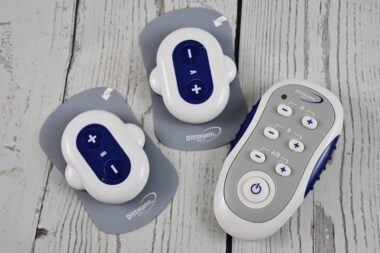
The landscape of sports rehabilitation is continually evolving, and electrical stimulation devices are at the forefront of this change. As technology advances, newer devices with enhanced capabilities are being introduced to the market. These innovations include wireless technology, app-controlled settings, and improved user interfaces. Such features make it easier for athletes to adopt and utilize these devices effectively. Moreover, ongoing research continues to validate the efficacy of electrical stimulation in various rehabilitation scenarios. This trend highlights the growing acceptance of electrical therapy as a standard practice in sports medicine. Athletes and coaches should stay informed about these developments to make the most of their recovery approaches. Investing in high-quality electrical stimulation devices that offer flexibility and multiple settings will maximize therapeutic outcomes. With these advancements, athletes can focus on performance and injury prevention without compromising safety or efficiency in rehabilitation. The incorporation of these devices into athletes’ routines signifies a proactive step towards taking charge of their health and fitness. Understanding the options available in this domain equips athletes with the knowledge required to make informed decisions tailored to their specific goals.
Conclusion
In conclusion, electrical stimulation devices present a unique opportunity for athletes to enhance their rehabilitation and prevent injuries. By benefitting from pain relief, improved muscle tone, and expedited recovery, athletes can maintain optimal performance levels. Understanding various types of electrical stimulation and their applications is crucial for successful integration into training regimens. Additionally, adopting best practices regarding safety and device management will ensure effective and safe treatment. As the field of rehabilitation continues to grow, staying informed about technological advancements in electrical stimulation can empower athletes to take control of their health. This proactive approach not only aids recovery but also enhances competitive performance. Athletes who invest in understanding and utilizing electrical stimulation devices stand to gain a significant advantage over their competitors. As part of a comprehensive rehabilitation strategy, these devices can facilitate faster and more effective healing from injuries while also providing a means of maintaining muscle strength during downtime. Overall, the effective use of electrical stimulation presents an incredible opportunity for athletes to maximize their well-being and performance, ultimately leading to better outcomes and extended careers in sports.
Understanding Electrical Stimulation Therapy
Electrical stimulation therapy utilizes controlled electrical impulses to stimulate muscle contraction and improve blood flow. This method promotes healing and muscle recovery after injuries. It’s used in various applications, particularly for athletes dealing with strains, sprains, or after surgical interventions. The gentle electric currents help alleviate pain by interfering with the natural pain pathways while also encouraging muscles to contract and relax. This dual action supports rehabilitation and injury recovery in a compressed timeframe. As recovery protocols evolve, it is vital that athletes stay informed about the latest developments in electrical stimulation technology. Many wearable devices now integrate this therapy into their functionality, allowing athletes to incorporate recovery seamlessly into their training routines. The convenience of these devices makes it easier to access therapy at any time. When athletes understand the benefits of electrical stimulation therapy, it encourages them to engage in their rehabilitation more actively. By addressing injuries promptly and effectively, athletes can return to their sport stronger and more resilient, minimizing the risk of recurring injuries. Thus, incorporating electrical stimulation therapy into standard training and recovery protocols represents forward-thinking in sports rehabilitation practices.