
Enhancing Defensive Endurance with Proper Body Mechanics
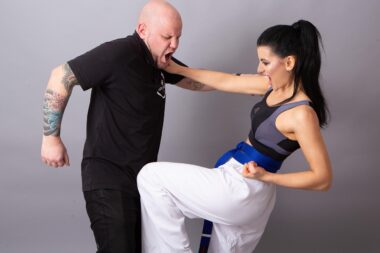
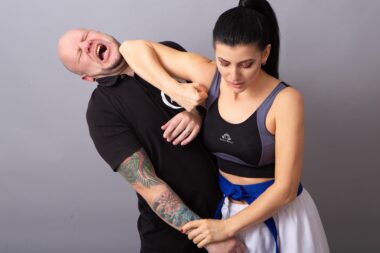
Understanding and incorporating body mechanics is crucial for effective self-defense. These principles guide practitioners on how to move efficiently during defensive situations. Proper body alignment, posture, and movement techniques help to maintain balance and leverage. These factors significantly contribute to a defender’s endurance over extended scenarios. When body mechanics are expertly applied, the energy exerted during physical confrontations is minimized. This allows for longer engagement and minimizes fatigue. Many self-defense techniques also depend on the ability to efficiently transfer energy from one part of the body to another. Utilizing core stability and joint strength fortifies movement, providing a more potent response during a conflict. Practitioners must also consider breathing techniques to further enhance endurance, controlling heart rate and muscle tension. Correct breathing patterns not only sustain energy but can also calm the mind under pressure. By educating oneself on body mechanics, individuals can perform techniques with heightened efficiency. This understanding ultimately leads to a greater capacity to endure longer defense courses in varying situations, solidifying one’s confidence and preparedness. Engaging in regular practice while maintaining focus on body mechanics strengthens the body and the mind in self-defense scenarios.
Effective defensive training often emphasizes both mental readiness and physical capability. To maintain defensive endurance, one must adequately familiarize oneself with various poses and stances that promote energy efficiency. Recognizing the optimal alignment of the body during movement can prevent injuries while enhancing defensive strategies. To achieve this understanding, individuals should practice specific drills that focus on powerful stances. One core stance used is the ‘fighting stance,’ emphasizing a balance of weight on the balls of the feet. This encourages proactive engagement when facing threats. Effective use of footwork in conjunction with stances can create distance from an opponent while maintaining readiness. Another essential aspect is developing muscle memory through repetition. Training against resistant partners allows individuals to adapt learned mechanics in real-time situations. Flexibility exercises should also complement this training, improving joint mobility and reducing the risk of injuries. These components unify physical attributes and body mechanics, cultivating a comprehensive framework for defensive strategies. Moreover, having robust lower body strength decreases fatigue, enabling longer engagement without compromising form. By integrating strength and mobility training into self-defense routines, practitioners improve overall defensive performance and endurance in challenging situations.
The Role of Core Stability in Defense
Core stability plays a significant role in maximizing performance during self-defense training. The core includes muscles in the abdomen, lower back, and pelvic region, acting as a foundation for movement. A strong core promotes balance, stability, and power during defensive maneuvers. Self-defense situations often demand quick shifts in weight and rapid movement; having a stable core can significantly enhance reaction times. Enhancing core strength through targeted exercises will lead to a greater ability to withstand forceful impacts while engaging with an opponent. Techniques like planks and rotational exercises bolster necessary muscle groups critical for staying upright during confrontations. Improved core strength not only aids in movement but also aids in striking effectiveness during defensive actions. Practitioners should consistently engage in core stability exercises to maintain physical endurance, especially in protracted encounters. Additionally, incorporating agility drills into training further boosts core functionality. This multifaceted approach fortifies physical preparedness, allowing defenders to respond effortlessly to threats. By recognizing the integral role of core mechanics, individuals can dramatically enhance their defensive capabilities and ensure greater longevity during encounters, ultimately fostering the confidence required to handle numerous situations. Regular assessment of core condition can lead to continuous improvement.
A vital component of body mechanics is understanding the kinetic chain in self-defense. This concept refers to how movements through various parts of the body work together efficiently to produce greater force. When properly utilized, the kinetic chain allows defenders to understand their center of gravity during defensive actions. Centralizing this understanding means tasks like executing punches or kicks become easier and more effective. A successful application of body mechanics relies on these interconnected movements, preventing unnecessary energy expenditure. Practicing with attention to the kinetic chain leads to the development of smoother techniques, enabling practitioners to incorporate defensive strategies seamlessly. Engaging in slow-motion drills can significantly improve awareness of the kinetic chain, allowing practitioners to recognize optimal movement pathways. Emphasis should be placed on ensuring that each segment of the body contributes effectively to the desired outcome, enhancing force and speed. Consistent practice fosters muscle memory, simplifying real-time deployment of techniques during conflict situations. Additionally, understanding the kinetic chain allows for quicker recovery and counter-responses after executing techniques. This reinforces the importance of dedicated training focusing on body mechanics to enhance overall defense and endurance capabilities.
Breathing Techniques for Enhanced Endurance
Breathing techniques can substantially impact a practitioner’s endurance during defensive training. Controlled breathing aids in maintaining focus and reduces the body’s fight-or-flight response during stressful confrontations. Proper techniques involve deep and rhythmic inhalations and exhalations to enhance oxygen intake and delivery to the muscles in use. This strategy helps to moderate heart rate and maintains a calmer mental state. Practitioners should consider incorporating breathing exercises during training sessions to develop an innate sense of breath control. Emphasizing nasal breathing over oral breathing can help to improve endurance by promoting deeper and more restorative breaths. Visual cues employed during training—like counting each breath—can help enforce a rhythmic focus. Moreover, synchronizing movements with breathing not only augments performance but also keeps the mind grounded in practice. Understanding the significance of breath in conjunction with physical techniques creates a foundation for resilience during long encounters. By regularly practicing these breathing techniques, individuals will find themselves better equipped to manage stressful situations. This connection between breath control and body mechanics results in greater stability and endurance, ensuring effective responses in self-defense scenarios. Practitioners engaging in effective breath techniques can encounter challenges with increased confidence.
The continuous application of body mechanics extends beyond technique to include mental discipline in self-defense training. Mental preparation and awareness serve as key elements in maintaining endurance during stressful encounters. Practicing mindfulness ensures that practitioners remain present, allowing them to assess situations and make decisions intuitively and efficiently. This aspect is often overlooked in favor of physical readiness, but it is equally vital for sustaining overall performance. One method practitioners can adopt is visualization techniques, focusing on imagined scenarios that may arise in real-life encounters. This mental rehearsal molds both body and mind, reinforcing the concepts learned during physical training. Additionally, alternating between intense practice and relaxation helps the body recover, promoting overall endurance. A routine that balances physical and mental preparation will yield better results in combat scenarios. Incorporating relaxation techniques, such as meditation, will build resilience against stress, calming the mind during attacks. This tranquil state empowers individuals to think more clearly while responding effectively to potential threats. Ultimately, establishing mental discipline alongside physical techniques creates a holistic approach to self-defense training, ensuring high endurance levels improved application. The integration of comprehensive strategies will foster greater confidence, balance, and preparedness.
Integrating Body Mechanics into Your Routine
To fully integrate body mechanics into self-defense routines, one must regularly assess current practices. Engaging with certified trainers who specialize in body mechanics can provide valuable insights into personal technique alignment. Feedback from skilled instructors can accelerate improvement, identifying movements that may need refinement. Participants should view learning as a continuous journey, recognizing the necessity of periodic evaluations of technique performance. This assessment will facilitate the identification of strengths while exposing areas needing attention. Additionally, adopting exercises aimed at enhancing specific aspects of body mechanics is crucial. For instance, drills focusing on improving speed and agility while maintaining stability are imperative. Ensuring that practices are varied will promote adaptability to dynamic situations arising in real life. Incorporating exercises like resistance training can bolster muscle endurance, providing a significant edge during prolonged encounters. Finally, adding a component of regular review ensures that the principles of body mechanics remain integrated into practice. A commitment to lifelong learning and adaptation is essential for achieving mastery. These efforts will produce significant advancements in both defensive proficiency and personal endurance levels, fostering a more resilient and competent defender. By nurturing this comprehensive understanding, individuals will be prepared for numerous challenges.
In conclusion, enhancing defensive endurance through proper body mechanics is essential for effective self-defense. Each of the discussed components contributes uniquely to building stamina and elevating performance in defense scenarios. It is a dedicated practice that involves understanding physical alignment, breathing control, strength training, and mental discipline. Integrating these aspects develops a comprehensive foundation for those committed to self-defense training. Practitioners must remain diligent in their efforts to consistently implement these techniques both in practice and real-life situations. Emphasizing core stability, applying the kinetic chain, maintaining specialized breathing techniques, and assessing mental readiness directly correlate to improvements in defensive endurance. This interplay fortifies the overall capacity to respond to threats confidently while minimizing exhaustion. As individuals refine their understanding of body mechanics, the likelihood of success increases significantly during confrontations. Therefore, it becomes paramount for all self-defense enthusiasts to prioritize enhancing their endurance through the incorporation of effective body mechanics. Continuous commitment to learning and redefining personal practices ultimately creates a stronger, more capable defender. Perseverance in training ensures that individuals can withstand challenges, demonstrating their ability to protect themselves confidently and effectively.