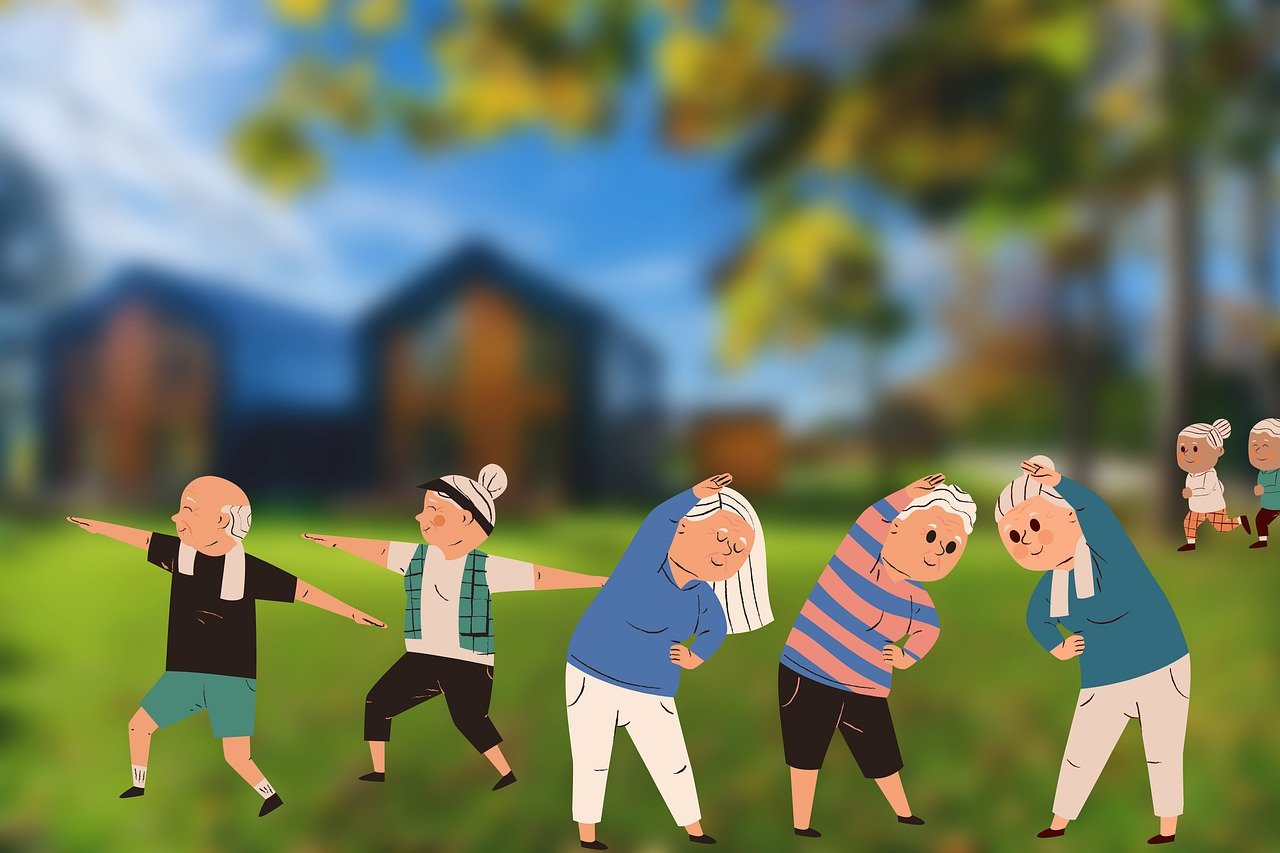

Group Fitness Classes Focused on Senior Fall Prevention
As seniors age, maintaining balance and mobility becomes crucial for promoting independence and enhancing quality of life. Group fitness classes specifically designed for fall prevention can be highly beneficial. Such classes focus on exercises tailored to strengthen muscles, improve balance, and enhance coordination. Various activities, including yoga, Pilates, and Tai Chi, can be integrated into these classes. Many studies show that engaging in group physical activity fosters social connections, reducing feelings of isolation among seniors. Additionally, these classes encourage accountability, as participants motivate each other to stay active. Organized environments often include trained instructors who can adapt exercises to cater to individual needs, ensuring safety and proper form. Moreover, a variety of equipment may be utilized in these classes, such as resistance bands, weights, and balance aids, providing diverse training options. Establishing a consistent routine can also build agility and endurance over time. Ultimately, group classes not only focus on physical fitness but also enhance mental well-being by providing opportunities to socialize and engage with peers, making exercise a more enjoyable and sustainable endeavor for older adults.
An essential component of group fitness classes centered on fall prevention is the incorporation of warm-up and cool-down routines. Warm-ups are critical as they prepare the body for exercise, increasing blood flow to muscles and reducing injury risk. These initial activities might include gentle stretching and mobility exercises, which particularly benefit seniors. Cool-downs serve to gradually lower the heart rate and enhance flexibility, aiding in recovery after the workout. Instructors often emphasize improving core strength during these classes, as a strong core plays a significant role in balance. Simple exercises like seated leg lifts, torso twists, and balance holds on one foot can be employed during sessions. Instructors will provide modifications as necessary, ensuring every participant can engage at their fitness level. Importantly, emphasizing fall prevention through posture and body alignment can be a focus during these exercises. Participants learn how to position their bodies correctly, which reduces the likelihood of falls in daily life. Engaging instructors can also encourage participants to share their personal experiences, fostering an environment of understanding and motivation.
The Role of Social Interaction in Fitness Classes
Social interaction plays a critical role in motivating seniors to attend fitness classes regularly. When older adults participate in group classes, they often form lasting friendships and connections with others in similar situations. This social network can provide crucial emotional support and encouragement, which enhances adherence to exercise routines. Furthermore, engaging in social activities helps combat loneliness and can improve mental health, particularly in those who live alone. The camaraderie experienced in group settings can promote a sense of belonging, allowing seniors to feel valued and connected. Instructors often employ group activities that require teamwork, fostering cooperation and communication among participants. Activities may include partner exercises, group challenges, and friendly competitions, all aimed at making fitness enjoyable. Establishing a welcoming and inclusive atmosphere is important to ensure all participants feel comfortable and encouraged. As friendships form, seniors may be more likely to share their progress and celebrate achievements with one another, reinforcing positive behaviors and boosting overall morale. By bridging the gap between physical fitness and social interaction, these classes create a holistic approach to senior health.
Another significant aspect of these group fitness classes is the emphasis on education regarding fall risk factors. Older adults are often unaware of the specific risks they face, such as environmental hazards in their homes. Therefore, integrating educational segments into classes can empower seniors to take control of their safety. Instructors may provide valuable tips on fall-proofing homes by removing tripping hazards, ensuring proper lighting, and securing loose rugs. Additionally, participants can learn about the importance of wearing appropriate footwear that offers stability and support. Addressing health issues that contribute to falls, such as poor eyesight and medication side effects, is essential. Instructors can discuss the importance of regular check-ups with healthcare providers to manage any underlying conditions. By enhancing participants’ knowledge about fall prevention, instructors equip seniors with the tools they need to navigate their environments safely. Knowledge empowers seniors to make informed decisions about their safety and well-being, thereby fostering a proactive approach to maintaining health. This multifaceted approach, combining physical activity and education, ensures a comprehensive understanding of fall prevention strategies for older adults.
Utilizing Technology in Fall Prevention Programs
The integration of technology in group fitness classes has revolutionized how seniors approach fall prevention. Many classes are beginning to utilize wearable devices that monitor heart rates and activity levels. Such devices provide real-time feedback, allowing participants to track their progress throughout the program. Instructors can also use these devices to tailor exercise intensities, ensuring that each individual is engaging at a suitable level. Furthermore, online platforms and applications have allowed for virtual participation in fitness classes, making exercise more accessible for seniors with mobility issues. These options provide a valuable sense of community even when attending classes from home. Virtual classes can connect seniors with instructors and peers, fostering motivation and support. Various online resources also offer safety tips, exercise routines, and educational materials that can further enhance knowledge about fall prevention. The advancement of technology enables better communication between participants and instructors, allowing for real-time feedback and support. As technological literacy among seniors continues to improve, harnessing these advancements can help promote sustained engagement in fitness and education, contributing positively to overall well-being.
The benefits of engaging in group fitness classes extend beyond physical health, positively influencing emotional and psychological well-being among seniors. Regular exercise can release endorphins, also known as “feel-good” hormones, leading to reduced feelings of anxiety and depression. Group settings create opportunities for laughter, fun, and enjoyment, enhancing mood and overall happiness. Additionally, accomplishing fitness goals together fosters a sense of achievement. Celebrating milestones, such as mastering a new exercise or reaching a certain number of classes attended, reinforces positive behaviors and commitment. Instructors play a vital role in nurturing these positive experiences, offering encouragement during sessions. Providing positive reinforcement can enhance self-esteem and confidence, helping seniors feel more capable. As participants witness improvements in their strength and balance, a sense of pride in their progress emerges. This sense of accomplishment can encourage seniors to engage in additional healthy behaviors outside of classes, such as walking more or participating in social activities. Therefore, fostering positive emotional experiences through group fitness classes not only aids in fall prevention but also enriches the lives of seniors, promoting holistic well-being and quality of life.
Conclusion: The Importance of Consistent Participation
In conclusion, group fitness classes focused on fall prevention for seniors can significantly enhance overall health and well-being. These classes provide opportunities for physical improvement, social interaction, and education about safety practices. Participation in regular group exercise fosters accountability and camaraderie, making it easier for seniors to maintain consistent activity levels. The multifaceted approach that emphasizes physical fitness alongside emotional and mental well-being creates a comprehensive strategy to tackle the challenges of aging, particularly fall risks. Not only do these classes empower seniors through knowledge of risk factors, but they also promote resilience and adaptability in daily life. Engaging in consistent exercise alongside like-minded peers creates a supportive environment, reinforcing commitment to personal health goals. The integration of technology provides fresh opportunities for seniors to stay connected and motivated. As many older adults find fulfillment and joy through these interactive programs, it becomes clear that group fitness classes are an essential component of senior care. Investing time and effort into participating in such classes can significantly contribute to preserving autonomy, enhancing quality of life, and ultimately preventing falls for seniors, enabling them to thrive in their golden years.
Group Fitness Classes Focused on Senior Fall Prevention
As seniors age, maintaining balance and mobility becomes crucial for promoting independence and enhancing quality of life. Group fitness classes specifically designed for fall prevention can be highly beneficial. Such classes focus on exercises tailored to strengthen muscles, improve balance, and enhance coordination. Various activities, including yoga, Pilates, and Tai Chi, can be integrated into these classes. Many studies show that engaging in group physical activity fosters social connections, reducing feelings of isolation among seniors. Additionally, these classes encourage accountability, as participants motivate each other to stay active. Organized environments often include trained instructors who can adapt exercises to cater to individual needs, ensuring safety and proper form. Moreover, a variety of equipment may be utilized in these classes, such as resistance bands, weights, and balance aids, providing diverse training options. Establishing a consistent routine can also build agility and endurance over time. Ultimately, group classes not only focus on physical fitness but also enhance mental well-being by providing opportunities to socialize and engage with peers, making exercise a more enjoyable and sustainable endeavor for older adults.