
How Accurate Are Wearables in Measuring Your Daily Activity?
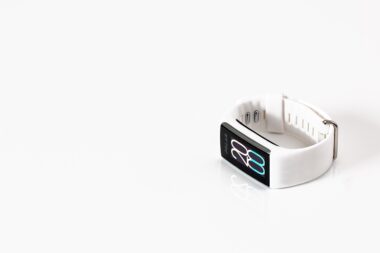
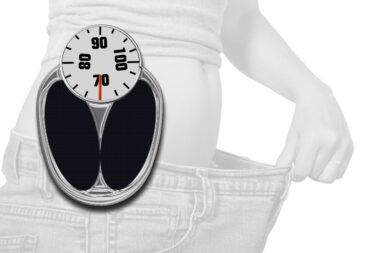
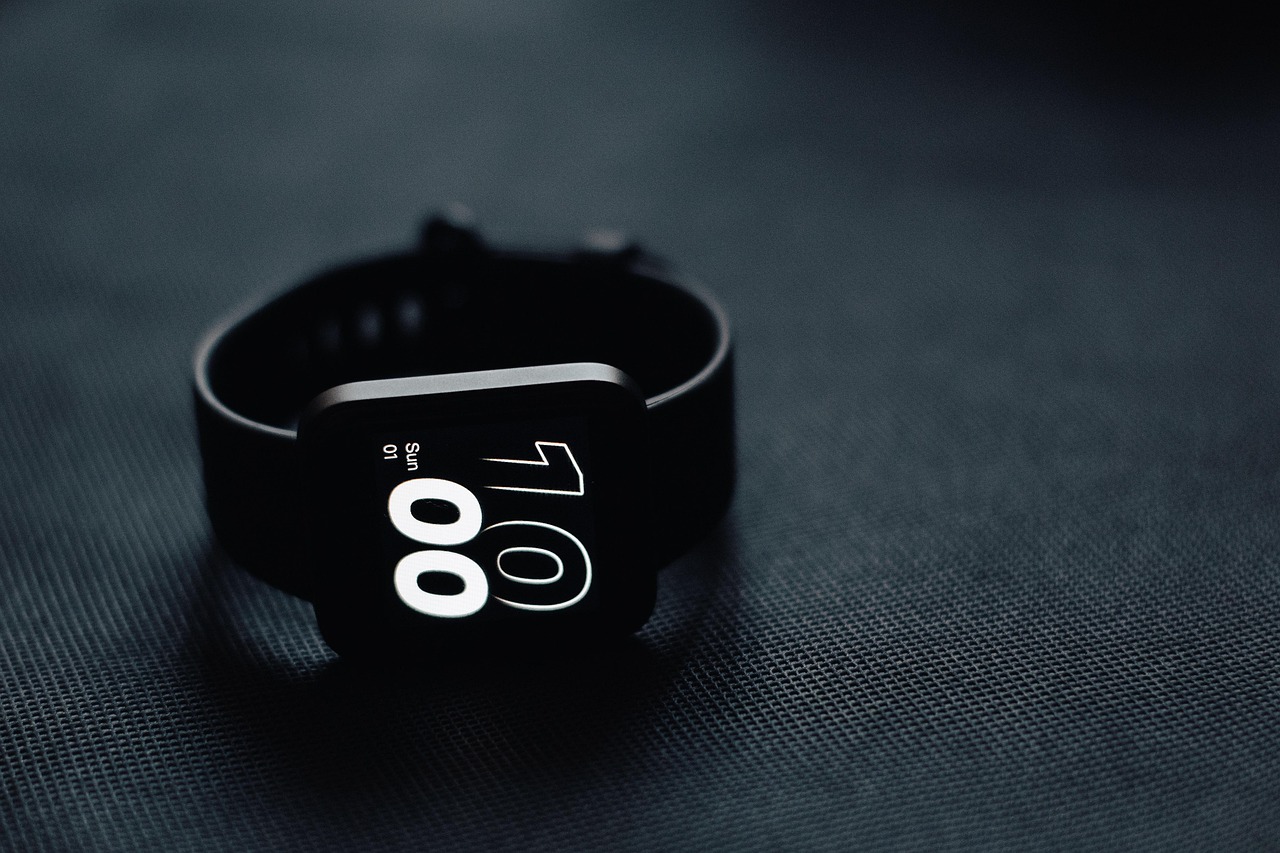
Wearable technology has become prevalent in our quest for effective weight loss and management. These devices, such as fitness trackers and smartwatches, measure various metrics that help users monitor their health. They primarily track steps, heart rate, sleep patterns, and calories burned. Many individuals turn to wearable fitness gadgets to enhance their physical workouts, but how accurate are these devices in measuring daily activities? While many consumers have reported improvements in their fitness journeys, it’s essential to understand that accuracy can indeed vary. Factors affecting accuracy include the type of device, its sensors, and how it’s used. Similarly, the algorithms behind these devices play a significant role. As with any technology, understanding the limits can lead to better outcomes for users. Wearables often encourage engagement and accountability, fostering a lifestyle conducive to weight management. Users should be aware of potential discrepancies in the data provided by their wearables. Identifying these aspects can enhance the effective use of these devices in daily routines while pursuing fitness goals and supports a holistic view of health management.
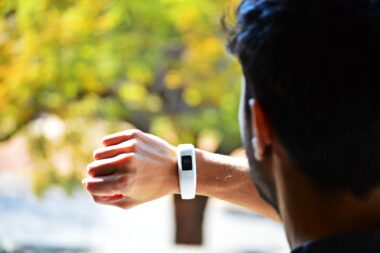
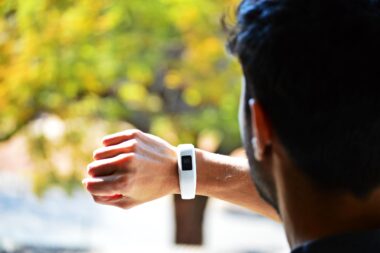
Wearables employ various sensors and technologies to gauge physical activity levels accurately. Accelerometers, for example, detect movement patterns, while heart rate monitors assess cardiovascular exertion. However, the calibration of these sensors can greatly influence their predictions. A well-calibrated device will yield results much closer to one’s actual activity levels, whereas poorly calibrated devices may inaccurately report metrics, leading users astray. Furthermore, the user’s specific body type may also skew results. Devices often assume average body measurements and movements. Hence, individuals with different heights or weights might not receive entirely accurate stats. The placement of the device can additionally affect measurements. For instance, wrist-worn trackers can produce differing results depending on how tightly they are secured. Understanding these nuances means users can take charge of their data for better health insights. Companies are continuously refining these devices’ algorithms to enhance accuracy, which improves users’ training efficiency and overall health tracking. As technology advances, we can expect more innovative features that increase reliability. Staying informed about ongoing improvements is crucial for anyone using wearables in their fitness and weight management journey.
Comparing Wearable Devices
When exploring the accuracy of wearables, it’s important to compare different models. Many brands claim high accuracy, yet user experiences can vary significantly. Popular devices such as Fitbits, Apple Watches, and Garmin watches dominate the market, but comparing them can reveal crucial differences. Some devices are excellent for basic step tracking, but they fall short in advanced metrics needed for serious fitness tracking. For example, wrist wearables may underreport calories burned during high-intensity workouts. Additional research into each device’s capabilities, strengths, and shortcomings can guide users toward selecting the device that suits them best. Online reviews and comparisons can provide valuable insights regarding real-world performance. Many users share their experiences, generating a wealth of information that potential buyers can leverage. Furthermore, it’s essential to keep in mind that personal experiences may differ based on individual fitness levels and types of exercise undertaken. A device that works well for one person might not perform similarly for another. Users can also reach out to fitness communities and forums for honest discussions, which contributes to a more informed purchasing decision.
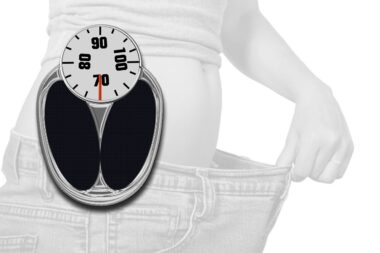
It is imperative to consider the context of using wearables for measuring activity. These devices serve as motivational tools that can help users stay engaged in their fitness journeys. However, they are not infallible and should not replace professional advice or assistance. For instance, when preparing for events like marathons, it may be beneficial to couple wearable data with insights from a certified trainer. Real-time feedback from a professional can address specific areas where a user might need improvement and reshape training routines. Beyond mere step counting, utilizing a trainer can optimize workouts for better overall performance. In situations such as weight loss, understanding the limits of wearables can reduce frustration. Focusing on a comprehensive approach incorporating various factors, such as nutrition and sleep quality, enhances overall effectiveness. Holistic approaches often yield sustainable results and foster healthier habits. An essential aspect is acknowledging that while wearables are beneficial, they work best when integrated into a broader strategy toward wellness goals. Users can thus achieve a balanced regimen through active engagement and the combination of technological advancements and professional insights.
Real-World Implications of Wearable Accuracy
In summary, the accuracy of wearables in measuring daily activity is a nuanced topic. While these devices can provide valuable metrics, their limitations should be understood. Users should not solely rely on the output of the devices but should also consider other behavioral factors that play a part in their fitness journey. While wearables offer excellent motivation and gamification aspects, users should view them as part of a broader fitness strategy that involves nutrition, mindset, and lifestyle choices. Personal experiences will vary, and it’s important to adjust expectations based on individual circumstances. Investigating the technology behind devices may also lead to informed choices when purchasing new fitness trackers. Before investing in a wearable, researching brand reliability and user reviews can enhance satisfaction in the long term. By exploring alternatives, users invest their time and resources in products that align well with their personalized fitness journeys. The responsibility lies with the wearer to maximize data insights safely and effectively. Understanding how to interpret metrics enables users to translate them into actionable steps that foster long-term progress in weight management.
As technology continues evolving, the wearables industry will likely see significant innovations that improve accuracy. Ongoing research and advancements in sensor technology indicate a future where personal fitness data becomes even more precise. This precision can forge paths toward more informed training programs tailored to individual needs. Furthermore, the integration of artificial intelligence into these devices may polish algorithms that predict personalized fitness insights based on collected data patterns. As AI progresses, users could experience gadgets that intuitively understand their unique habits, enabling actionable recommendations to enhance their journey. Making sense of data becomes pivotal not only to immediate fitness goals but also to long-term health achievements. Thus, staying abreast of the latest developments in the wearables market can empower users to make the best choices for enhancing daily activities. Keeping an eye on reviews for upcoming devices can also help consumers remain proactive in identifying useful innovations. Embracing this technology may facilitate accountability traits necessary for enduring lifestyle changes, leading to improved weight management success. Continued exploration can guide how consumers can use wearables’ advantages while developing a long-lasting healthy lifestyle.
Conclusion: Finding Your Fit
In conclusion, the truth about wearables and their accuracy is multifaceted. While they provide a wealth of data, understanding their limitations is crucial to using them effectively. Users should adopt a comprehensive approach to their weight management endeavors, merging insights from wearables with professional advice and personal dedication. Constantly evolving technology promises improvements, albeit with a mindful application. Finding the right device boils down to individual needs, goals, and fitness levels. The utility of wearables lays not only in accurate metrics but also in fostering motivation, accountability, and engagement. Users committed to enhancing their day-to-day routines will find these devices increasingly beneficial—if expectations remain realistic and adapted. Just as importantly, embracing a healthy lifestyle and integrating the support of peers or professionals may enhance user experiences overall. For anyone serious about weight management, leveraging all available tools, whether solely through wearables or enhanced by professional input, sets a strong foundation for sustainably achieving fitness goals. Ultimately, wearables serve as an ally. Discovering the right fit for personal fitness will lead to a gratifying journey towards achieving health and wellness.