
How Sleep and Hydration Work Together for Skin Anti-Aging in Athletes
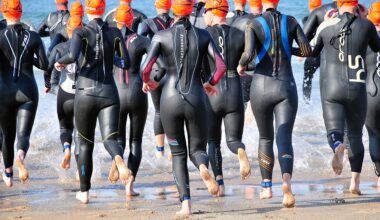
Maintaining healthy skin is crucial for athletes due to physical demands and environmental factors. As athletes frequently train outdoors, they face exposure to sun, wind, and pollutants that can accelerate skin aging. Proper hydration plays an integral role in keeping the skin supple and resilient against these stressors. Water acts as a vital nutrient, supporting cellular functions and helping to maintain elasticity. When hydration levels drop, skin can become dry and brittle, leading to an increase in fine lines and wrinkles. Moreover, hydration assists in flushing out toxins, promoting healthier skin and faster recovery from exercises. Aside from external factors, sleep is equally important; athletes need restorative sleep to optimize recovery. During sleep, the body undergoes various processes essential for healing and renewal, including skin health. Inadequate sleep disrupts water balance and increases inflammation, which negatively impacts the skin. Thus, athletes should make hydration a priority, complemented by quality sleep, to support their skin’s anti-aging strategies for a more youthful look. This synergy between sleep and hydration can significantly enhance skin complexion and overall performance.
Adequate hydration is vital, yet many athletes overlook its importance. While they focus on pre- and post-workout nutrition, fluid intake often takes a back seat. Despite this, water consumption impacts skin health directly. Dry skin can lead to irritation and discomfort, hindering athletic performance. Hence, implementing a routine that prioritizes hydration will yield numerous benefits. It is recommended that athletes establish a hydration plan tailored to their specific needs, factoring in elements such as exercise intensity and duration. To elucidate the importance of hydration, consider incorporating foods with high water content into the diet. Foods like cucumbers, watermelon, and oranges not only contribute to hydration but also provide essential vitamins and minerals. By maintaining fluid balance through both beverages and hydrating foods, athletes can bolster their skin’s defenses against aging. Moreover, hydration aids in preventing symptoms such as fatigue and muscle cramps during workouts. These factors cumulatively ensure a more refreshed appearance and enhanced athletic capacity. Paying attention to hydration can help athletes feel their best while preserving skin vitality throughout their careers.
The Role of Sleep in Skin Health
Sleep is a time for the body to repair and rejuvenate itself, crucial for maintaining healthy skin. Adequate sleep allows the body to recover and heal naturally, leading to improved skin repair. During deep sleep, blood flow to the skin increases, providing it with vital nutrients and oxygen necessary for maintaining youthful appearance. Conversely, lack of sleep results in increased levels of the stress hormone cortisol, which can lead to skin problems such as acne and premature aging signs. Skin becomes more transparent when sleep-deprived, revealing dark circles and fine lines, undermining efforts made during hydration. Thus, prioritizing good sleep hygiene is essential for athletes aiming to look and feel their best. By implementing consistent sleep routines that include aspects like creating a calming environment and limiting screen time, athletes can enhance their rest quality. Furthermore, balancing sleep with hydration strategies creates optimal conditions for skin recovery. Combining these two factors allows for a holistic approach that supports an athlete’s well-being and athletic performance, highlighting the connection between sleep, hydration, and skin health.
The synergy between hydration and sleep significantly influences skin aging, especially in athletes. Training regimens demand focus on both aspects to maximize performance and longevity in their sports careers. Having a holistic approach that integrates hydration with sleep hygiene promotes a better quality of life, extending skin health and appearance. Adequate hydration helps maintain elasticity, preventing sagging skin and the onset of wrinkles. Coupled with restorative sleep, athletes can boost collagen production, vital for skin firmness. This interconnectedness emphasizes the need for consistent routines that allot time for both sleep and proper hydration. Effective hydration strategies during training, such as electrolyte beverages and regular water intake, should be part of any athlete’s regimen. Moreover, monitoring one’s sweat levels and adjusting fluid intake accordingly can optimize hydration efforts. Athletes should also be mindful of their lifestyle choices, such as managing stress and practicing relaxation techniques, which can indirectly affect both sleep and skin health. Overall, acknowledging the role of hydration paired with sleep can lead to strategic advancements in skin care for athletes, enhancing their confidence and performance.
Practical Hydration Tips for Athletes
Adequate hydration is essential for athletes; thus, it’s helpful to integrate practical tips into daily routines. Establishing a pre-exercise hydration strategy can optimize performance and skin health significantly. Begin by consuming ample water-rich foods that increase hydration levels. Examples include fruits like grapes, strawberries, and vegetables such as celery. Additionally, it’s vital to understand individual hydration needs based on body weight, exercise type, and environmental conditions. Athletes should aim to drink water consistently throughout the day rather than relying solely on thirst as an indicator of hydration. Carrying a water bottle or utilizing hydration tracking apps can ensure athletes stay on top of their fluid intake. Another tip is to monitor urine color as an indicator of hydration levels; pale yellow indicates adequate hydration, while dark yellow suggests a need for more fluids. Incorporating electrolyte drinks after intense workouts can also assist in replenishing lost minerals. By adopting these hydration methods, athletes can support not only their performance but also their skin health as they combat the signs of aging effectively.
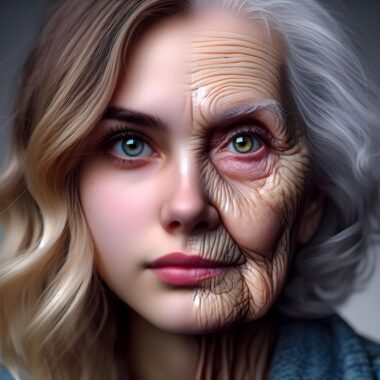
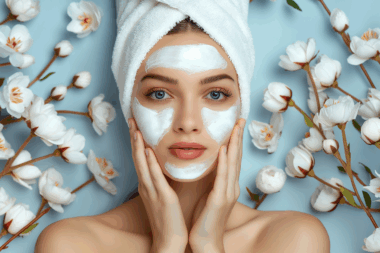
Skin health should be a priority for athletes due to the demands their bodies face. By focusing on this aspect, they can reap the benefits of improved overall performance. Factors such as hydration and sleep resonate deeply with skin aging, making it essential for athletes to address them proactively. Natural aging involves a decline in collagen and elastin production, leading to skin sagging and fine lines. Hydration plays a crucial role in maintaining these structures, while sleep enables the body to replenish lost nutrients. By committing to these strategies, athletes can significantly delay the aging process while sustaining optimal performance levels. This practice could include creating a dedicated sleep schedule tailored to recovery and incorporating an uplifting skincare routine that enhances hydration. Products containing hyaluronic acid can retain moisture levels in the skin. Some athletes may also consider consulting with healthcare or nutrition experts to establish optimal nutrition and hydration regimens. Ultimately, integrating hydrating practices alongside disciplined sleep routines leads to remarkable results in skin appearance and overall athletic performance.
Conclusion: Emphasizing Hydration and Sleep
Hydration and sleep are powerful allies that significantly contribute to skin health, especially for athletes aiming to combat aging signs. Understanding how these two components interconnect can facilitate improved preventive measures against premature skin aging. Athletes, by proactively focusing on hydration, not only promote their athletic performance but also enhance their aesthetic appearance. By committing to enhanced skin vitality through adequate hydration and restorative sleep, athletes can experience lasting benefits over time. The conscious practice of these holistic measures can yield impressive outcomes, helping athletes maintain youthful, healthy skin throughout their sporting careers. Incorporating water-rich foods and beverages, along with a structured sleep schedule, will serve to improve vitality and performance. By recognizing the value of these strategies and implementing them daily, athletes ensure they are making informed choices that will be reflected in their skin rejuvenation efforts. In conclusion, a balanced approach towards hydration and sleep is integral in the pursuit of improved skin health, thus enhancing athletes’ morale as they face the challenges in their diverse sports life.