
Media Representation: A Double-Edged Sword
The representation of Paralympic athletes by media outlets has become a crucial issue in the discourse surrounding sports ethics. The media often portrays these athletes through a lens of tragedy and inspiration, which can lead to a simplistic understanding of their achievements and challenges. This narrative risks overshadowing their sporting capabilities and contributions to the sporting framework. Furthermore, sensationalized coverage may inadvertently promote stereotypes and perpetuate the idea that these athletes are defined solely by their disabilities. Advocating for a more nuanced representation could foster a deeper appreciation for their skills and dedication. Moreover, skewed media portrayals can create barriers for athletes seeking autonomy in their narratives, reducing them to mere subjects of pity rather than confident competitors. Ethics in media representation also calls for responsibility, as journalists and broadcasters hold immense power to shape public perception. By focusing on athletes’ abilities rather than their disabilities, media practitioners can contribute positively to the cultural conversation around inclusivity. It is a pressing matter that deserves ongoing attention as it significantly impacts athletes’ identities and public awareness of Paralympic sports.
The Dilemma of Coverage Bias
Coverage bias in the media poses ethical dilemmas facing Paralympic sports representation. Often, the focus is on disability rather than sporting accomplishments, leading to concerns about the media’s influence on public perception. This bias can marginalize athletes, reducing their visibility in comparison to their able-bodied counterparts. It is essential to create ethical guidelines for media outlets that prioritize the athletes’ narratives and achievements without reducing them to symbols of struggle. Balanced coverage should minimize the overshadowing narratives that often come up. For instance, coverage must not solely emphasize triumph over adversity but showcase athletes’ skills, dedication, and competitive spirit. Moreover, this bias can affect sponsorships and funding, as public interest is often swayed by how these athletes are portrayed. Media can amplify stories of determination and success, giving rise to interest in community support and sponsorships. Sports organizations and media channels need to collaborate on developing ethics frameworks that promote equitable representations, underscoring that every athlete deserves recognition based on talent alone rather than an inspirational story. Transparency in reporting can enhance trust and invite broader recognition for all participants in the Paralympic movement.
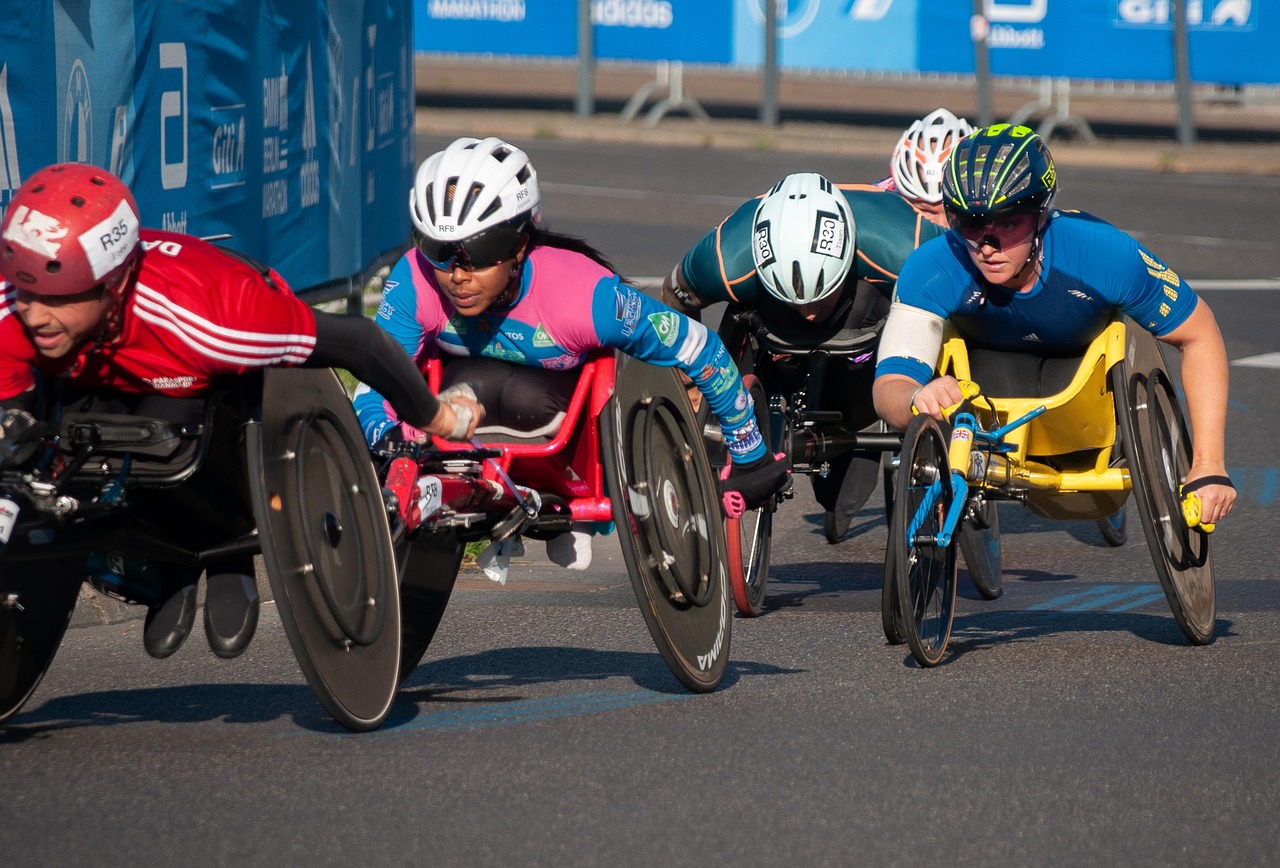
A significant ethical issue involves the portrayal of athletes with disabilities as inspirational figures. While it is essential to celebrate achievements, it becomes problematic when success is framed mainly as a triumph over adversity. Such narratives often perpetuate a one-dimensional view, overlooking the rigorous training, skill, and effort these athletes invest. Creating an image that profiles them solely as courageous individuals serves to marginalize their abilities, framing them within a narrative that implies they are less capable than their able-bodied peers. Furthermore, this perspective limits the public’s understanding of what true athleticism entails. It overlooks technical expertise, strategic thinking, and sheer hard work that goes into their sports. Media representation should strive for a balance, featuring stories of excellence that highlight competitive performance, achievements, and expertise in the field. Athletes deserve narratives centered around their passion for sports rather than a perpetual focus on overcoming adversity. By reframing the conversation, media can create space for appreciation of the athletes’ talents and contributions, celebrating the spectrum of human capabilities and resilience that underpin the ethos of Paralympic sports.
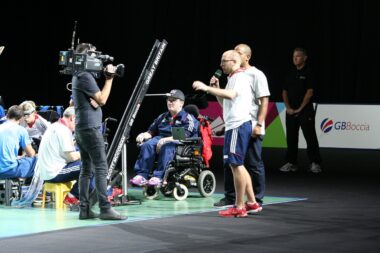
Another ethical consideration is the issue of consent when showcasing athletes. Media organizations often capture images, videos, and stories of athletes without their explicit consent, leading to ethical challenges regarding autonomy. It is vital for media outlets to establish clear policies that respect athletes’ rights and privacy, ensuring that their stories are shared with their approval. Consent goes beyond mere permission; it involves fostering a culture of mutual respect where athletes have agency over how they are portrayed. Media must engage athletes in the narrative-building process, inviting their input and feedback. When athletes feel empowered, it can lead to richer, more authentic stories that resonate with audiences without compromising the athletes’ dignity. Moreover, transparency with athletes about how their images and stories may be used helps build trust between them and media organizations. Educational initiatives for media professionals about the importance of ethical storytelling can bridge gaps between representation and respect. Athletes’ voices should be central in shaping how their stories are articulated, leading to a more inclusive and ethical media landscape that honors their contributions to sports.
Commercialization and Ethical Concerns
The commercialization of Paralympic sports raises ethical questions about representation. As corporations invest in sponsorships and advertisements, message framing becomes critical. Businesses often highlight stories that fit a particular narrative, potentially distorting the true identity of athletes and the essence of the games. While funding is crucial for growth, the ethics surrounding portrayal must remain intact. Companies should avoid using athletes merely as symbols of ‘overcoming’ challenges, as this commodifies their experiences. Ethical commercial narratives should aim to empower athletes, showcasing their talents, achievements, and identities beyond disability. Moreover, there is a risk that these representations reinforce stereotypes, as they may inadvertently evoke pity rather than admiration for skill. Advocating for a partnership between athletes and corporate sponsors can ensure more authentic representation. When athletes are involved in the marketing process, they can reflect on how their narratives influence public perception, leading to a more holistic presentation. Transparent communication about sponsorship agreements and their implications can also instill ethical standards in the promotional sphere, benefiting both athletes and corporations while fostering a positive public perception of Paralympic sports.
Accessibility in media coverage also poses ethical challenges for Paralympic sports. Not all athletes receive the same level of coverage, primarily due to existing systemic biases in media practices. This imbalance raises ethical concerns about equity and representation among all participants. Media outlets should strive to provide fair coverage across diverse sports to ensure every athlete has visibility and recognition. Marginalized athletes, including women and athletes from minority backgrounds, are often sidelined in media narratives. Creating equitable representation requires a proactive approach to identify and elevate underrepresented voices. This can involve featuring various sports equally, acknowledging different types of talent and achievements. It is essential for media organizations to understand the intersectionality of disability, gender, and ethnicity in their coverage. By implementing inclusive practices, media can contribute significantly to public discourse, redefining perceptions of Paralympic sports. Additionally, enhancing accessibility in media formats, such as captions or sign-language interpreters for broadcasts, ensures better engagement from all audiences. Dismantling barriers to representation contributes fundamentally to a more just and inclusive sports environment.
The Role of Social Media
Social media has emerged as a powerful tool for expanding the representation of Paralympic athletes. Platforms like Instagram and Twitter enable athletes to share their stories directly with the audience, allowing for authentic voices to emerge. This shift has ethical implications, as personal narratives can challenge the mainstream media’s portrayal, inviting a broader spectrum of expression. Athletes can present themselves as multifaceted individuals rather than defined only by their disabilities. Furthermore, they can engage fans and followers in compelling conversations about inclusion, diversity, and representation within sports. Social media empowers athletes to build their platforms, creating opportunities for sponsorship and advocacy on their terms. However, the responsibility of representation calls for a critical approach by athletes. They must navigate the ethics of sharing personal experiences while balancing public perception. It is essential for athletes to engage in thoughtful storytelling, ensuring that their narratives contribute positively to societal attitudes towards disability. By leveraging social media, athletes can redefine their narratives, promoting authentic images of resilience, excellence, and passion in the world of Paralympic sports, while also holding traditional media accountable for their representations.
In summary, the interplay between media representation and ethical obligations within Paralympic sports is multifaceted. While there are significant strides toward equitable representation, challenges remain that threaten the integrity of athletes’ identities. From coverage bias to issues of consent, media must uphold ethical standards that prioritize athletes’ rights and narratives. The responsibility lies not only with journalists and media organizations but extends to corporate sponsors and athletes themselves. By fostering collaborations that emphasize athlete agency, promoting diverse voices, and establishing clear ethical guidelines, a more inclusive portrayal of Paralympic sports is achievable. It is imperative to challenge existing stereotypes and to paint a comprehensive picture of athletes as skilled competitors. The advancement of access to equitable media representation can reshape societal attitudes toward disability, encouraging appreciation for the athleticism present within Paralympic events. Moreover, incorporating social media into mainstream dialogue offers insights into athlete experiences that traditional reporting may overlook. As the conversation evolves, ensuring that media representation remains ethical and respectful is critical for the ongoing success of Paralympic sports and the celebration of its athletes’ capabilities and stories.