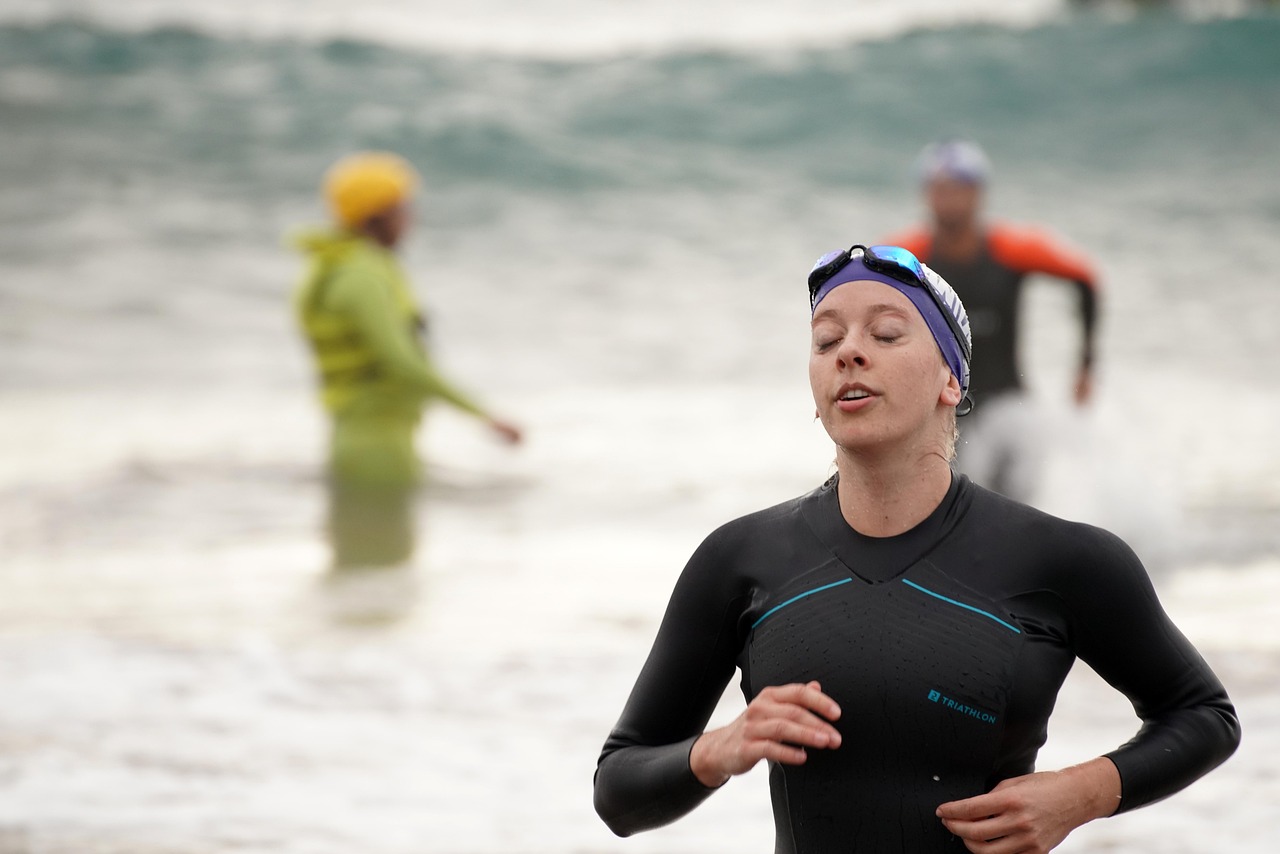

Nutrition Myths for Women in Triathlon: What You Should Know
Nutrition plays a crucial role in maximizing performance for women participating in triathlons. Many misconceptions surround nutritional practices in sports, particularly regarding women. One common myth is that women need significantly less protein than men. However, women also engage in rigorous training that necessitates adequate protein intake for muscle repair and recovery. It’s essential for female athletes to consume sufficient protein without fear of excesses leading to bulkiness. Instead, it enhances recovery. Another belief is that cutting calories drastically leads to weight loss, which often hinders endurance and performance. Many women fear eating too much, believing it will negatively impact their performance. However, fuel is vital for optimal energy levels during training and competition. Consuming a balanced diet full of carbohydrates, proteins, and healthy fats provides the energy necessary to train effectively and compete vigorously. Additionally, misconceptions about hydration often arise, with many believing they don’t need to hydrate until thirsty. Proper hydration should begin before, during, and after workouts. Understanding these nutritional elements is key to overcoming myths and enhancing training for female triathletes.
Common Misunderstandings
Another prevalent myth among women in triathlon is the belief that carbs are the enemy. Many think that low carbohydrate diets will help them shed unwanted fat. However, carbohydrates are essential for fueling endurance activities. The body relies heavily on glycogen stores during intensive training sessions. Thus, avoiding carbs can lead to decreased performance, increased fatigue, and prolonged recovery times. It’s vital for female athletes to understand that carbohydrates should be viewed as allies rather than foes, optimizing energy levels and enhancing athletic capabilities. Furthermore, there’s a persistent myth regarding dietary fat. Some women mistakenly believe that all dietary fats are harmful. In reality, healthy fats, such as avocados, nuts, and olive oil, play a crucial role in hormone production and overall health. These fats can contribute positively to athletic performance. Additionally, many female triathletes fear bulking up from strength training. Contrary to this belief, strength training aids in improving performance by building lean muscle and enhancing overall strength without significant weight gain. A balanced approach to nutrition and training is vital for dispelling these myths and fostering an effective, sustainable triathlon strategy.
Maintaining a healthy mindset about body image is essential for women competing in triathlons. Society often imposes unrealistic standards on women, leading to distorted perceptions about weight and athleticism. It is crucial for female athletes to embrace their bodies as they are while recognizing that performance ultimately matters more than appearance. Focusing purely on weight can lead to unhealthy behaviors, such as restrictive dieting or excessive exercising. It’s important to realize that body composition can vary widely among successful female athletes. Accepting one’s personal body goals, which prioritize strength and endurance, can help counteract these influences. Another myth suggests that supplements can replace a well-rounded diet, which is misleading. While supplements can aid performance, they cannot fulfill dietary needs adequately. Whole foods should be prioritized for nutrients, vitamins, and minerals. Women in triathlon should work closely with nutritionists or qualified trainers to tailor their nutritional plans effectively. Understanding nutritional needs can help counter misinformation circulating within the sport. Moreover, each athlete’s dietary needs can differ based on training intensity, duration, and personal health goals, making personalized plans valuable for success.
Hydration Strategies
Hydration, although crucial for performance, is often misunderstood among female triathletes. Many women adhere to the belief that they don’t need to drink water until feeling thirsty. This approach can result in dehydration during training or racing, which can severely impair performance. Instead, athletes should develop a proactive hydration strategy that includes drinking fluids regularly throughout the day, as well as during and after workouts. Proper hydration starts before exertion and continues throughout the training regimen. Additionally, it’s essential to recognize that not all hydration methods are created equal. Sports drinks can provide electrolytes necessary for prolonged activities but should not be relied on exclusively. Women need to balance water intake with electrolyte sources, particularly in longer events. Some might consider electrolytes only when experiencing symptoms of dehydration, but maintaining adequate levels is essential throughout training. Additionally, special attention must be paid to hydration needs during menstruation when fluid needs can fluctuate. It’s critical for women in triathlon to stay knowledgeable on hydration for optimal performance as becoming well-informed directly aids in physical endurance and focus during competitions.
While preparing for triathlons, many female athletes mistakenly believe they should limit their calorie intake to maintain or lose weight. This perspective can be damaging, leading to insufficient energy for effective training and endurance during the event. It’s essential to grasp the balance required between caloric intake and expenditure. Proper nutrition can lead to sustainable energy levels, improved recovery, and enhanced performance without detrimental impacts on weight. Instead of restricting calories, athletes should focus on nutrient-dense foods that provide energy and enhance performance. Understanding portion sizes and meal timing can maximize advantages. Additionally, some women shy away from heavier foods like whole grains or legumes as they believe these cause bloating during training. However, these food groups often provide complex carbohydrates necessary for energy. Learning how to incorporate these foods effectively can help boost performance while minimizing digestive discomfort. Furthermore, planning meals around workouts can help in strategically optimizing energy release throughout the day. Developing a positive relationship with food can empower female triathletes in their performance journeys, enhancing success in competitions by fueling their passion appropriately.
Building a Balanced Diet
Women in triathlon should aim for a balanced diet that incorporates a variety of food groups to ensure all necessary nutrients are received. Many believe that strict dieting or exclusion of entire food groups is the key to peak performance, yet this often results in nutritional deficiencies. Prioritizing balance is increasingly important, as diverse foods support various aspects of athletic performance. Women should consume adequate amounts of carbohydrates, proteins, and fats in their diets while selecting whole grains, fruits, vegetables, lean proteins, and healthy fats. Additionally, it’s important to listen to one’s body regarding hunger cues and energy levels. Fueling instincts can guide athletes toward more mindful eating practices. Furthermore, strategic meal planning can assist in ensuring nutrition needs are met effectively. Preparing meals in advance based on training schedules can alleviate stress and enhance focus on performance. Women need to embrace their appetite and needs, allowing for flexibility in dietary choices. This freedom from strict restrictions promotes both physical and psychological well-being, making for a more enjoyable and successful triathlon experience.
Ultimately, nutrition is a cornerstone of success for women in triathlon. By dispelling myths surrounding nutrition and understanding personalized dietary needs, female athletes can forge ahead with confidence. Armed with knowledge, they’re better equipped to make informed food choices that maximize performance. Consulting with dietitians or nutritionists specializing in sports nutrition provides an extra advantage and assurance in achieving overall health. This professional guidance can be crucial in navigating different phases of training, addressing dietary complexities, and adapting strategies to fit personal goals. In summary, recognizing the importance of carbohydrates, proteins, and healthy fats within a balanced diet can eliminate harmful myths that may hinder performance. Furthermore, incorporating proactive hydration strategies will foster success while combatting fatigue. Lastly, by establishing healthy perspectives on body image and food relations, female triathletes can liberatedly pursue their athletic aspirations, making informed decisions about their nutrition that ultimately empower them. Collaboration with knowledgeable experts can open doors to optimal performance, facilitating a journey that embraces strength, skill, and stamina. In this way, women in triathlon can truly thrive in their sport.