
Role of Functional Strength Training in Injury Prevention
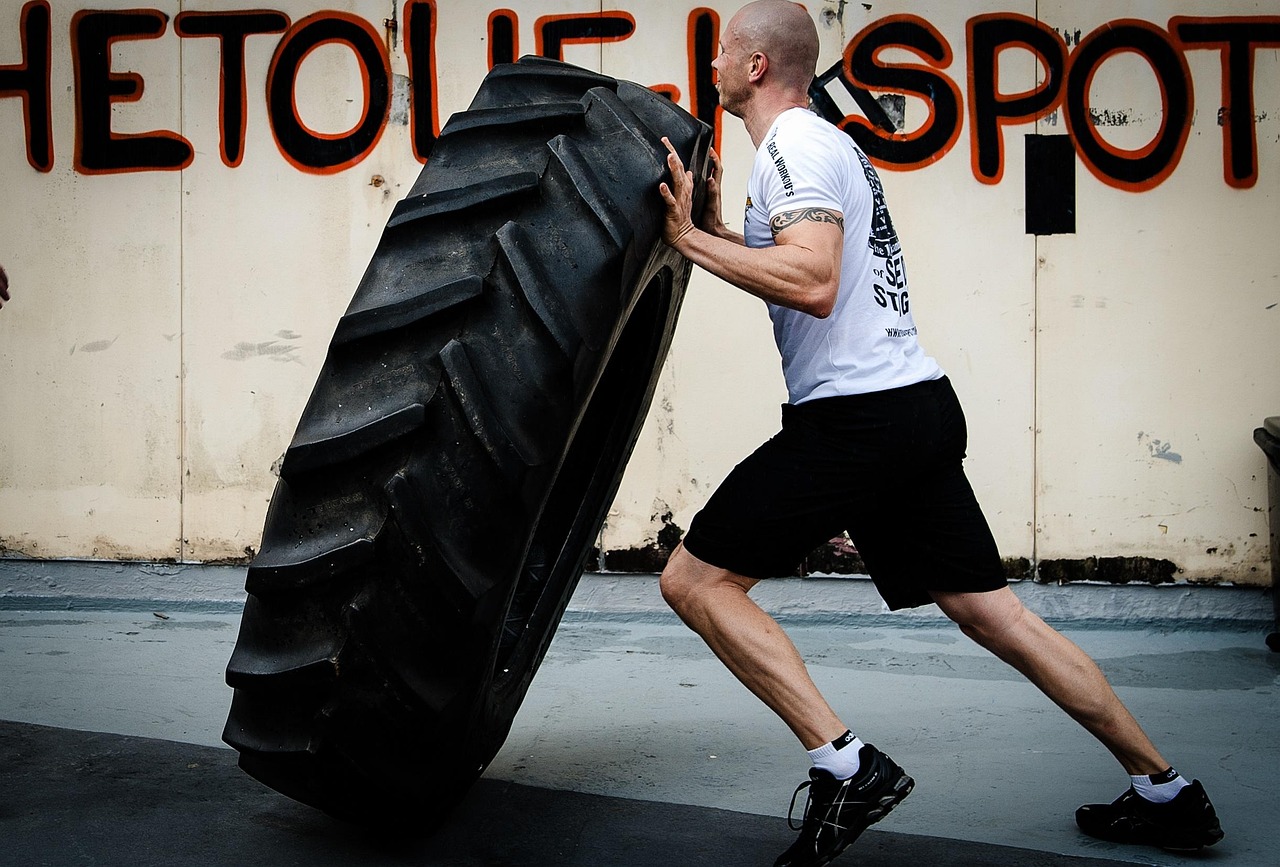
Functional strength training plays a crucial role in injury prevention for athletes, enhancing their ability to perform at a high level while minimizing the risk of injuries. It emphasizes training movements and exercises that mimic the physical demands athletes face in their specific sports. By focusing on multi-joint, compound movements, functional strength training strengthens muscles, improves coordination, and enhances balance. The incorporation of stability elements in training helps develop the core, which is vital in protecting key joints during athletic activity. This training approach not only focuses on strength but also on flexibility and mobility, addressing any limitations that could lead to injury. For instance, incorporating exercises such as kettlebell swings or squat variations can significantly enhance an athlete’s performance, enabling them to achieve their peak potential. Moreover, a robust strength foundation aids in fast recovery post-exercise, allowing athletes to return to their training regimen sooner. Therefore, integrating functional strength workouts into an athlete’s training program is essential for achieving longevity in their sports career. Coaches should consider these training methods as part of comprehensive injury prevention strategies.
The emphasis on functional strength training provides athletes with tools to better handle the stresses of their sports. One critical aspect of this training is the enhancement of proprioception, which is the body’s ability to sense movement, action, and location. Improved proprioception directly translates to better body awareness during sports, allowing athletes to make quicker adjustments during unpredictable scenarios. Additionally, increasing core stability through exercises, such as planks, is vital to supporting the lower back and pelvis, reducing the chances of injuries during rapid movements. As athletes encounter various physical challenges, the body’s ability to respond effectively to these stimuli becomes crucial. Exercises such as lunges, step-ups, and medicine ball throws develop strength alongside stability, which proves beneficial during strain. Properly executed, these movements prepare the body for the unique demands of different sports. Additionally, incorporating functional strength training into preventive programs helps in identifying muscle imbalances, guiding targeted interventions to diminish injury risks. Regular assessments of these core strength parameters allow athletes to monitor progress effectively, adapting training approaches based on their developing needs.
Benefits of Functional Strength Training
The benefits of functional strength training go beyond mere injury prevention, impacting overall athletic performance significantly. First and foremost, functional training fosters enhanced athletic performance by replicating sports-specific movements. By training in multiple planes of motion, athletes develop a broader range of motion and greater muscle strength, which translates to improved agility, speed, and power on the field or court. Also, athletes can benefit from increased muscular endurance, which supports prolonged physical activity without exhaustion. This training approach leads to better body mechanics, crucial during high-intensity competition scenarios where injuries are most likely to occur. Furthermore, encouraging increased functional strength not only aids in performance but also helps athletes maintain their mental resilience. The improved physicality fosters self-confidence, affecting overall mental well-being during competitions. Engaging in these comprehensive workouts boosts an athlete’s feeling of preparedness, which can have favorable psychological effects. Coaches and trainers must, therefore, grasp the significance of integrating functional strength principles into their training regimens, creating environments conducive to injury prevention and performance enhancement.
Injury prevention is a multifaceted approach, and functional strength training creates a solid foundation for safe athletic participation. Athletes often exert their bodies in extreme ways, pushing limits and facing various risk factors that can lead to injuries. By adopting functional training techniques, athletes learn to use their bodies efficiently, activating appropriate muscles and developing synergy between them. This adaptive training method reduces the likelihood of strain on singular muscle groups, distributing forces more uniformly across the body. Given the complexities of contact sports, where unpredictable elements are present, fostering resilience is paramount. Through variable amplitude exercises like agility ladders and balance boards, athletes enhance their reaction time and ability to stabilize themselves against external forces. This variability in training stimulus not only aids in injury prevention but fits the evolving nature of athletic performance. Emphasizing safe landing techniques and maintaining proper biomechanics further reduces the risk of joint injuries. In conclusion, integrating functional strength training into athletes’ routines effectively equips them with the necessary tools to thrive in competitive environments while minimizing injury risks.
Implementing Functional Strength Training
Implementing functional strength training into an athlete’s routine requires careful planning and consideration. Coaches must devise programs that address the specific needs of their athletes while ensuring they engage in a balanced, varied regimen. The initial step is conducting a thorough assessment of each athlete’s physical capabilities, including strength, flexibility, and endurance. From this baseline evaluation, a tailored functional strength program is crafted, incorporating varied exercises that enhance both upper and lower body strength. Incorporating equipment such as resistance bands, stability balls, and balance boards can add creative challenges while keeping engagement levels high. Each training session should focus on progressing the intensity to adapt to the athlete’s evolving strength levels. Furthermore, athlete feedback should be used to adjust the programs continuously, ensuring training remains purposeful and beneficial. Additionally, coordinating with sports medicine professionals can provide invaluable insight into the design of these injury prevention strategies. As athletes experience greater strength and improved motor control, they become more resilient against injuries while simultaneously gearing up for higher performance levels.
Education plays a pivotal role in the successful implementation of functional strength training. Athletes must understand how functional movements translate to injury prevention and performance enhancement. Workshops or integrated discussions led by coaches on biomechanical principles can enhance an athlete’s comprehension of exercise importance. Creating a culture that values injury prevention allows athletes to take personal responsibility for their training regimen. Regularly scheduled evaluations of strength progressions and peak performance should help athletes appreciate their development. Incorporating technology, such as wearable devices, may also provide athletes with data on movements, assisting them in refining their execution and further solidifying injury prevention strategies. Moreover, by allowing athletes to participate in creating their training plans, they can feel a stronger sense of agency over their growth. Collaboration with physiotherapists can also yield innovative ideas and additional perspectives on optimizing physical capabilities through functionally driven strength training. With ongoing education, athletes become empowered to take charge of their physical health, thereby fostering enduring commitment to their training protocols.
Long-Term Effects of Functional Strength Training
The long-term effects of employing functional strength training are extensive and far-reaching, resulting in a higher quality of athletic performance for participants. As athletes consistently engage in functional training, they witness accelerated recovery times following competition or intense training sessions. Improved circulation and diminished muscle soreness directly correlate with enhanced strength and flexibility. Over time, participants benefit from elevated muscle memory, allowing them to perform complex movements with greater ease and precision. Furthermore, as athletes proactively manage their physical training, they reduce the risks of chronic injuries, which can interrupt careers. Successful integration of functional training thus correlates with substantial participatory longevity in sports. Additionally, the mental advantages should not be understated. Athletes develop increased focus and dedication towards their physical conditioning regimens, translating to better on-field decision-making instincts and composure when under pressure. This mental fortitude is critical in high-stakes athletic environments, enabling athletes to maintain a competitive edge. All these factors together contribute to an athlete’s overall well-being, fostering healthier and longer careers.
To summarize, the implementation of functional strength training is vital in establishing long-term injury prevention strategies tailored to an athlete’s specific needs. Its integration into training regimens empowers athletes both physically and mentally. As they build resilience through carefully crafted workouts, the benefits compound, leading to notable performance improvements and reduced injury occurrences over time. Given how competitive sports have become, focusing on functional training becomes a necessity rather than an option for athletes striving for sustained excellence. This approach emphasizes the importance of adaptability and responsiveness in training while promoting appropriate athletic performance strategies. Further research and advancement in functional training methodologies should continue to refine these approaches, ensuring athletes at all levels have the best chance for success. Overall, functional strength training provides a systemic pathway towards preserving athletes’ careers, enhancing both their performance and health. Ultimately, coaches and athletes must prioritize implementing these strategies to achieve definitive success in athletic pursuits.