
The Role of Drinking Behavior and Habit Formation in Hydration
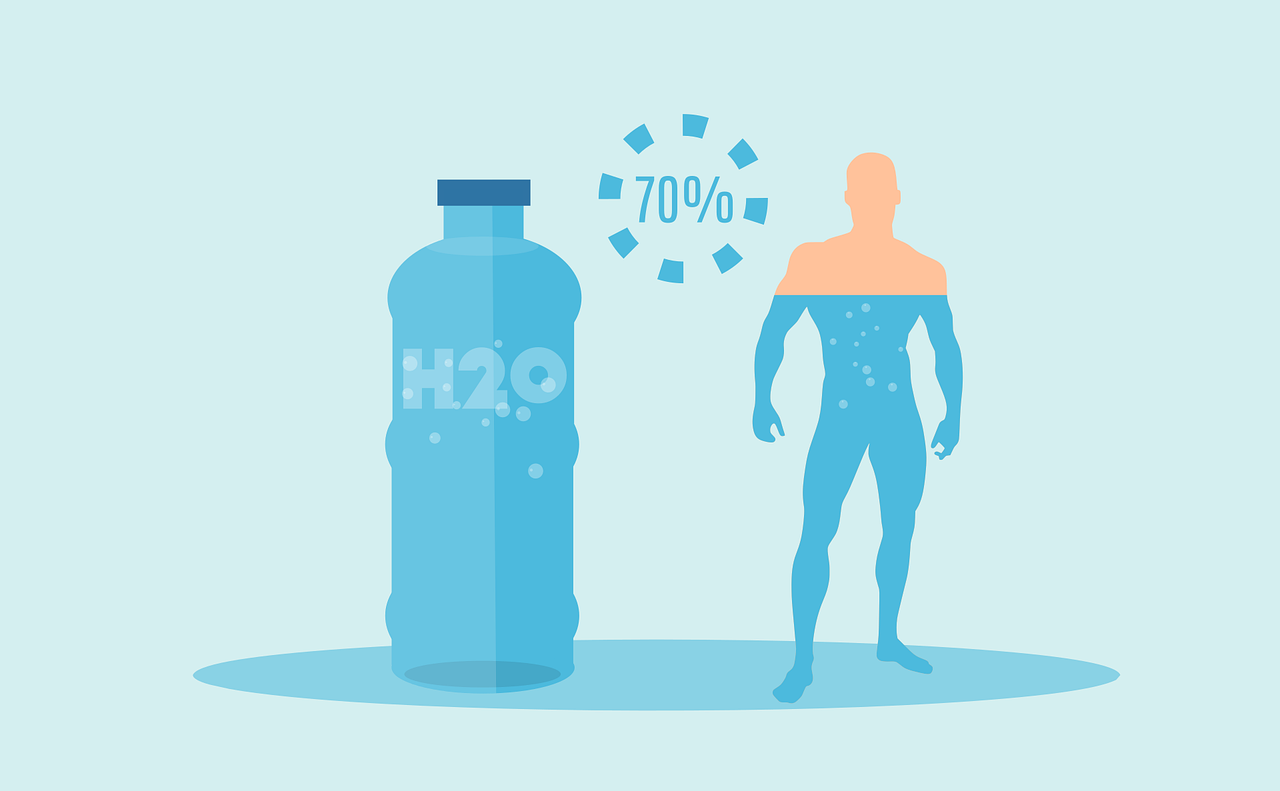
Proper hydration is essential for athletes to enhance their performance and maintain optimal health. However, many athletes struggle to develop effective drinking habits that suit their individual needs. It is important to understand how drinking behavior and habit formation can influence hydration strategies. Athletes might not realize that their hydration needs vary based on factors like training intensity, environmental conditions, and personal sweat rates. Each athlete must identify their core hydration strategies to achieve peak performance during training and competition. Moreover, habit formation is crucial; when athletes consistently drink fluids at designated times, their hydration becomes automatic. This strategy can significantly boost their endurance and recovery. Coaches and sports nutritionists can assist athletes in establishing routines by incorporating reminders and positive reinforcement. The use of technology, such as mobile apps or hydration tracking devices, can be beneficial in developing better drinking behaviors. Ultimately, educating athletes about the importance of hydration and helping them form effective habits can lead to improved performance and decreased risk of dehydration during intense sports activities.
Hydration strategies directly impact an athlete’s performance, making it crucial to develop effective drinking behaviors. The ideal hydration habits start with knowing one’s personal hydration needs. Athletes should regularly assess their hydration status through methods like monitoring urine color, keeping track of fluid intake, and observing signs of dehydration. Alongside personal evaluations, environmental factors also play a significant role, such as temperature and humidity levels, which can affect sweat loss. Athletes should adapt their hydration strategies accordingly, ensuring that they drink pre-workout, during exercise, and post-training. It can also be useful to create a fluid intake schedule that aligns with training sessions. By forming habits around these target times, athletes can improve their hydration and performance. Additionally, combining hydration with balanced nutrition, such as electrolyte-rich beverages, is crucial for optimal recovery. Coaches can support athletes by encouraging them to keep fluids accessible during training and competition. The habit of regularly hydrating can lead to increased energy levels, endurance, and concentration throughout workouts, thereby enhancing overall performance and effectiveness.
Establishing the right drinking behavior requires a comprehensive understanding of hydration science. Athletes should be educated on factors such as the types of fluids consumed and their hydration effects. For instance, beverages containing sodium and carbohydrates can play a key role in rehydration and replenishment during prolonged activity. Research suggests that athletes should ideally consume around 500-1000 milliliters of fluids per hour during intense exercise. Personal preference or availability may also impact fluid choice; therefore, it is vital to encourage athletes to experiment with different hydration options. Building a habit around hydration can include using reminders and visuals to instill a regular drinking pattern. Coaches and fitness professionals can also facilitate this practice by emphasizing the importance of hydration during training sessions. Additionally, athletes are more likely to follow through with hydration strategies when they are well-informed about the benefits it yields on their performance and health. Long-term habit formation can significantly improve hydration, leading to enhanced performance metrics, recovery times, and a lower incidence of hydration-related injuries.
Behavioral Change Techniques to Improve Hydration
Using behavioral change techniques can greatly enhance the effectiveness of hydration strategies among athletes. Behavioral interventions are designed to focus on modifying drinking habits through strategies such as goal-setting, self-monitoring, and providing feedback. Athletes can benefit from setting specific hydration goals, for instance, aiming to drink a set amount of fluid during training sessions. Self-monitoring can be achieved through keeping a hydration log, which enables athletes to track their intake patterns and recognize areas for improvement. Feedback from coaches or peers might bolster adherence to hydration plans. Incorporating rewards for meeting hydration goals can also lead to healthier drinking habits. Social support and accountability play crucial roles; athletes are more likely to succeed in forming positive habits when they have a support system. Coaches can implement team-wide hydration strategies to create an overall culture of awareness of hydration importance. Regularly reviewing hydration logs can facilitate open discussions addressing hydration challenges and successes, ultimately fostering an environment conducive to healthy drinking behaviors among athletes.
Technology plays an increasingly significant role in promoting proper hydration strategies among athletes. Several innovative solutions help track hydration needs and behaviors. Smart bottles, for example, provide real-time feedback on fluid intake and even send reminders to drink. Similarly, apps designed for hydration tracking enable athletes to monitor their hydration status conveniently. Some apps provide personalized hydration guidelines based on individual profiles, which account for factors like body weight, type of sport, and personal sweat rate. The incorporation of wearable devices also aids in monitoring hydration levels during exercise by measuring sweat loss. Athletes equipped with such technology can adapt their hydration strategies effectively during training and competitions. Moreover, by utilizing data-driven insights, athletes can enhance their drinking behaviors based on actual performance metrics. Personal data not only clarifies how hydration affects overall performance but also fosters self-awareness. Consequently, athletes become proactive participants in their hydration journey. Embracing these technological advancements can build stronger habits while ensuring improved performance and health outcomes for competitive athletes.
The Importance of Enjoyment in Hydration Choices
Enjoyment significantly influences an athlete’s drinking behavior and hydration choices. When hydration becomes a mundane task, athletes may neglect it. Therefore, it is essential to incorporate enjoyable hydration options. Athletes should feel empowered to explore a variety of beverages that cater to their preferences. For instance, naturally flavored water, sports drinks, or even smoothies can serve as alternatives to plain water. Developing a sense of preference fosters a positive relationship with hydration. Encouraging athletes to experiment with different flavors may enhance their willingness to drink more regularly. Additionally, social aspects can play a role in hydration enjoyment; drinking together with teammates during breaks can make the experience pleasant. Regularly introducing new hydration choices into practice sessions can keep the habit fresh and enjoyable. Athletes should learn to recognize the importance of pleasurable hydration, as it enhances adherence to proper strategies. This approach seeks to remove monotony, motivating athletes to integrate hydration into their daily routines without feeling burdened by it. Ultimately, enjoyable hydration will lead to sustained commitment to performance-enhancing drinking habits.
In conclusion, effective hydration strategies for athletes hinge on developing positive drinking behaviors and habits. The understanding of personal hydration needs, habit formation, and behavioral change techniques are all intertwined factors critical to an athlete’s success. Moreover, the influence of technology in monitoring and enhancing hydration practices cannot be overlooked. It is essential for athletes to find enjoyment in their hydration regimen, ensuring a consistent approach to fluid intake. Educators, coaches, and mentors must play an active role in guiding athletes through the complexities of hydration. From establishing regular drinking patterns to fostering social environments that support positive habits, the holistic approach will lead to successful interventions. Long-term commitment to effective hydration practices can significantly improve athletic performance, recovery, and overall well-being. As they prioritize hydration, athletes should aim to implement recommended hydration targets and fluid intake schedules. Continued emphasis on the importance of hydration will help in cultivating a culture of awareness and support in sports communities. Developing and maintaining proper hydration habits will ultimately empower athletes in their pursuit of peak performance and long-term athletic health.
Monitor your hydration strategy actively! Hydration matters both in casual and competitive activities.