
The Role of Rowing in Improving Lung Capacity
Rowing is an exhilarating sport that combines strength, technique, and endurance, making it an ideal fitness regimen for many seeking health benefits. One of the most significant advantages of rowing is its capacity to improve lung function and enhance overall cardiovascular health. Engaging in rowing exercises involves synchronized breathing, which creates a rhythm that can train the lungs effectively. As rowers exert themselves, they develop their lung capacity, allowing them to intake larger volumes of oxygen. Rowing thus serves as both a cardiovascular workout and a lung-training exercise, promoting better oxygen circulation throughout the body. Additionally, the full-body nature of rowing means that multiple muscle groups, including the core, legs, and back, are utilized, resulting in improved fitness levels. This coordinated effort not only reinforces general fitness but also necessitates efficient breathing patterns. To grab the full benefits of rowing, incorporating a consistent rowing regime into one’s fitness routine is essential. Not only does it bolster endurance, but it also significantly contributes to stronger lung capacity, making every stroke count towards better lung health.
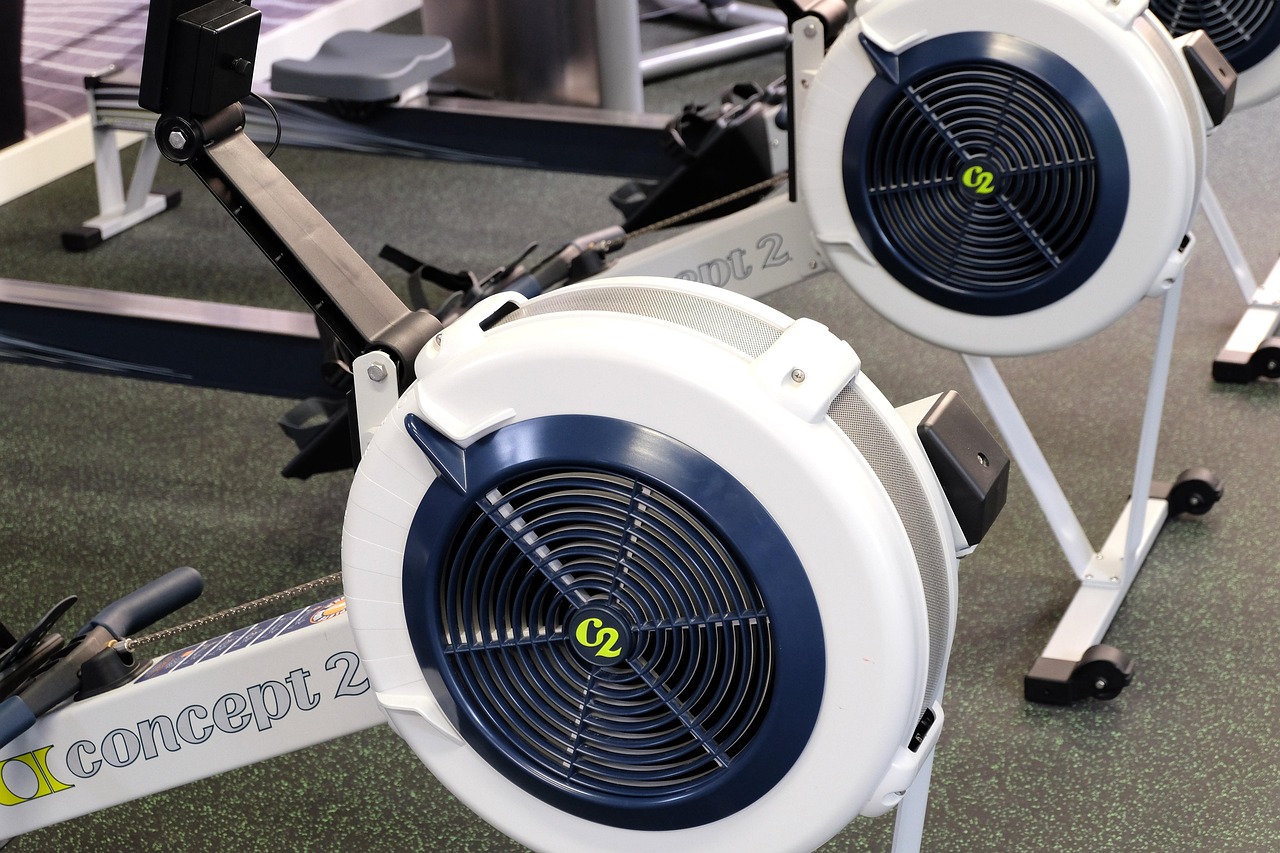
Striking a balance between endurance and strength, rowing is also a low-impact exercise, which makes it suitable for people of various age groups and fitness levels. Those recovering from injuries or seeking alternatives to high-impact activities can particularly benefit from rowing’s gentle approach to physical training. This quality allows individuals to engage in regular cardiovascular workouts without placing undue stress on their joints. Furthermore, incorporating breathing techniques while rowing helps users maximize their lung capacity and oxygen intake. This combination of low-impact and cardiovascular training promotes better lung health. Various rowing machines are available for indoor training too, allowing individuals to experience the benefits of rowing without needing access to water. Using these machines regularly can aid in extending one’s endurance, as consistency is key to lung development. The rhythm of pulling the oars while maintaining steady breathing becomes a meditative practice over time. As rows add up, users often notice improved stamina, increased resistance to fatigue, and higher energy levels throughout the day. Fostering such attributes also encourages long-term adherence to a fitness routine, thereby amplifying results across several fitness areas.
Breathing Techniques for Enhanced Performance
In rowing, mastering breathing techniques is crucial for maximizing lung capacity and performance. Techniques such as diaphragmatic breathing can significantly aid rowers in obtaining enough oxygen during intense exertion. By utilizing the diaphragm for deep inhalations, rowers can more effectively fill their lungs, leading to greater oxygen exchange and endurance. Furthermore, synchronizing breath with every stroke helps to maintain a steady flow of oxygen, ensuring that muscles, particularly those needed for the strenuous efforts in rowing, are effectively supplied. Developing this fluidity between strokes and breath can be key to performance optimization, especially in competitive settings. Learning to control breath also fosters relaxation which can help combat anxiety and stress during races. Rowers often establish personal rhythms that align breathing with movements, allowing them to find their groove while on water or using machines. Adopting these techniques ideally will not only lead to efficiency in rowing but can also translate into other physical activities, providing cross-training benefits. Thus, focusing on breathing can yield long-term lung health benefits beyond standard physical fitness and serves as a foundation for any athlete’s growth.
Utilizing rowing for lung capacity improvement fosters motivation and personal development. Many experience increased mental vigor as rowing aids in reducing stress and promoting relaxation. The sheer physical nature of rowing can release endorphins, enhancing one’s mood and overall well-being. Consequently, this mental shift can further motivate users to commit to their fitness journey. Social elements can enhance this motivation as well; joining rowing clubs or groups provides camaraderie and shared goals worth striving for. Working with others creates a supportive environment that not only motivates individuals but also allows them to learn from others’ experiences. As a collaborative sport, rowing fosters teamwork, leadership development, and communication skills among participants. Moreover, regular participation not only impacts lung health but promotes a sense of belonging and achievement. The pursuit of individual goals within a community further enforces a culture of fitness and perseverance. Therefore, rowing has both mental and physical advantages for lung capacity improvement, potentially enhancing every aspect of life. Over time, users may discover not only better physical performance but also enriched social interactions alongside personal growth.
Understanding the Science of Lung Capacity
The principles surrounding lung capacity are grounded in science, highlighting the importance of oxygen in supporting physical activity. Lung capacity refers to the maximum amount of air the lungs can hold and is essential for aerobic exercises, including rowing. Engaging in such an activity demands considerable oxygen intake due to its intensity; hence, improving lung function is vital. Factors like age, genetics, and fitness levels can influence an individual’s lung capacity, though regular exercise is deemed a primary method for optimizing it. Rowers frequently notice improvements in their capacity through structured training regimes. These sessions prompt adaptations like optimizing the efficiency of oxygen delivery throughout the body. Rowing intervals have also been identified as effective for maximizing lung function. By alternating between high-intensity and moderate-paced strokes, rowers can expand their lung capacity efficiently. Moreover, many studies indicate a clear correlation between higher aerobic fitness and increased lung capacity. When individuals combine rowing with a comprehensive fitness plan, they amplify these physiological adaptations, leading to enhanced respiratory efficiency and overall health.
To further understand the impact of rowing on lung capacity, examining respiratory health is essential. Poor respiratory health can lead to a host of problems, limiting physical activity and overall quality of life significantly. Engaging in rowing fosters better respiratory mechanics, as it encourages deep breathing and proper oxygenation. The act of pulling oars not only builds strength but trains the lungs to become more efficient. Rowers often experience fewer respiratory issues compared to sedentary individuals, benefiting from improved resilience. Additionally, those with asthma or chronic lung diseases may find rowing particularly beneficial, as the exercise promotes lung elasticity. By practicing consistent rowing, patients often report fewer symptoms and a clearer ability to perform daily tasks. Beyond physical improvements, the discipline instilled through rowing provides mental clarity and resilience, improving coping mechanisms regarding respiratory challenges. Educational outreach surrounding the respiratory benefits of rowing can lead to greater participation, thus impacting community health positively. Rowing might serve not just athletes but anyone seeking to enhance their lung health and overall wellbeing on multiple levels.
Long-Term Benefits of Rowing for Lung Health
Embracing rowing as a primary fitness routine has undeniable long-term ramifications for lung health and overall wellness. Engaging regularly fosters muscle memory, allowing rowers to maintain efficiency in their breathing patterns as well as technique. As muscle strength increases over time, so does the ability of the lungs to manage larger bursts of exertion. This adaptive approach offers significant benefits for endurance athletes and casual rowers alike, as improved lung health translates into enhanced periods of activity, fewer instances of breathlessness, and a heightened sense of physical capability. Moreover, rowing naturally promotes cardiovascular health, a crucial component of respiratory health. Through sustained aerobic activity, rowers can better maintain optimal heart function which, in turn, affects lung capacity positively. Longevity of engagement with rowing can foster greater resilience against the natural decline in lung function associated with aging. Additionally, achieving higher levels of fitness through rowing can minimize the risks of chronic diseases such as obesity, diabetes, and heart disease. Therefore, rowing stands out as a comprehensive fitness activity, supporting long-term lung health benefits while enhancing general wellbeing.
In conclusion, rowing is a multi-faceted fitness activity that significantly contributes to improvements in lung capacity and overall health. With its unique blend of aerobic and strength elements, rowing engages core muscle groups while simultaneously promoting efficient lung function. By incorporating regular rowing sessions into one’s fitness plan, individuals can enhance their endurance, optimize breathing techniques, and enjoy long-term respiratory health benefits. Furthermore, understanding the physiological adaptations that arise from rowing, including improved oxygen uptake and muscle endurance, enables athletes and fitness enthusiasts to appreciate the activity’s wide-ranging benefits. Adopting good practices, like joining supportive rowing communities and leveraging techniques such as diaphragmatic breathing, can amplify the positive impacts. The transferable skills gained from rowing also bolster motivations for sustained improvement and adherence to fitness regimens. As more people become conscious of their lung health, rowing can provide an enjoyable path towards better fitness, camaraderie, and connection. Promoting educational initiatives that spread awareness about the benefits of rowing on lung health ultimately leads to a healthier society that embraces activity in daily routines.