
The Tactical Importance of Seating Orders in Competitive Rowing
In competitive rowing, the arrangement of rowers, known as seating order, significantly influences performance. Each rower carries unique skills and physical attributes, which necessitates a precise configuration for optimal synergy. The tactical layout can affect speed, balance, and overall effectiveness. For instance, positioning stronger rowers in strategic seats may enable the boat to gain a competitive edge. Additionally, lighter rowers may be placed at the front to mitigate drag and optimize the boat’s flow. The combination of power and technique plays a crucial role in determining where each rower is placed, creating a complex puzzle coaches must solve for their team’s advantage. Timing and cadence are equally essential; team members should have synchronized strokes for momentum, and improper seating can disrupt this. Additionally, the psychology of seating orders impacts rower confidence and teamwork. Trust in one’s position can enhance performance, while uncertainty can hinder. Thus, the seating order is not merely a formality but rather a vital tactical consideration that can dictate the outcome of races. Coaches must analyze individual strengths and weaknesses carefully to maximize the potential of each crew member in their roles.
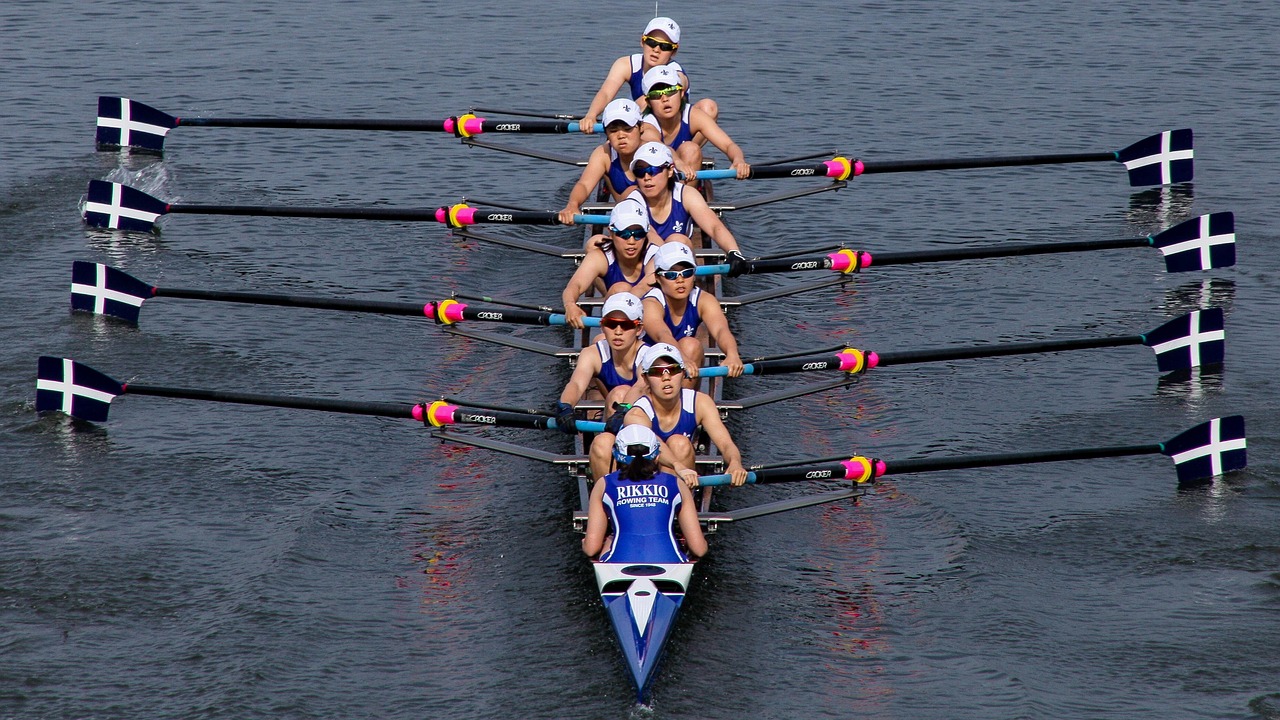
Various rowing positions each have distinct roles and responsibilities vital for the crew’s overall performance. The bow, usually the lightest rower, helps guide the boat and reduces drag. They must possess excellent technique and keen awareness of water conditions. Following the bow is the second seat, who provides additional power while ensuring stroke execution remains efficient. The middle rowers, particularly the three-seat and four-seat, are tasked with maintaining balance and rhythm. These rowers often possess both strength and agility, making them crucial for power generation. The five-seat and six-seat positioned towards the stern, provide leverage and stability during rowing. Typically, these rowers are more powerful or experienced and play a crucial role during sprints. The stroke seat essentially leads the crew, setting the pace for the entire boat. They must be highly skilled in technique and facilitate unity within the crew. Each position contributes uniquely, highlighting the importance of selection and placement. Thus, variations in a crew’s arrangement can significantly impact its overall performance and competitiveness in races. Coaches pay close attention to these dynamics to devise seating strategies that enhance team strengths while mitigating weaknesses.
Understanding Rowing Dynamics
Understanding rowing dynamics is critical for maximizing performance during races. The principles of physics play a substantial role, as water resistance impacts speed and efficiency. Additionally, each rower’s seating directly correlates with their ability to effectively transfer power through the oars. For instance, the positioning of heavier rowers can create a lower center of gravity, improving stability. In contrast, distributing weight evenly throughout the boat enhances balance. The effective alignment of rowers creates a streamlined effect, allowing for faster movement through water. Proper communication is equally vital; rowers must maintain consistent rhythm and timing throughout their strokes. The urgency of synchronizing techniques affects the energy exerted, influencing the race outcome. Furthermore, the distribution of experienced and less experienced rowers can facilitate learning opportunities while maintaining competitiveness. Selections also depend on individual rowers’ strengths, including endurance and explosiveness. Coaches often utilize various strategies by adjusting seating orders to fit different race conditions. This adaptability is crucial in rowing, necessitating thorough understanding and practice for optimal outcomes. Ultimately, a well-considered seating order can significantly enhance the tactical positioning of any competitive rowing team on the water.
The role of the coxswain in competitive rowing further emphasizes the significance of seating orders. As the leader of the crew, the coxswain directs the rowers, provides motivation, and ensures smooth operation during races. The coxswain’s perspective from the stern allows them to see the entire boat and the competition ahead, making vital calls regarding speed and direction. Effective communication between the coxswain and rowers is critical for maintaining rhythm and technique. They must understand each rower’s strengths and weaknesses to tailor strategies effectively. In races, the coxswain’s ability to interpret changing conditions quickly and adjust seating dynamics can create tactical advantages. They often make split-second decisions, which can influence the boat’s performance significantly. Additionally, the coxswain must maintain a positive group dynamic, fostering team cohesion. A crew that trusts its coxswain is more likely to perform at its peak. Hence, the coxswain’s role overlaps with how seating orders are configured; minor adjustments can change the overall performance. A well-synchronized crew, directed effectively by a knowledgeable coxswain, can outperform a technically skilled but poorly coordinated rival.
Adjusting Seating Orders for Race Conditions
Seating orders in competitive rowing are not static; they require adjustments based on race conditions and environmental factors. Changes in weather, water temperature, and wind direction can affect team performance, necessitating strategic adaptations. For instance, during difficult weather conditions, positioning stronger rowers closer to the bow can enhance control and balance. Conversely, in calmer conditions, lighter rowers may be more effective in achieving speed. Coaches must be prepared to modify arrangements based on observations during practice and race day. The potential for varying water conditions must be considered when selecting crew members, ensuring that the seating order aligns with expected challenges. Tactical assessments of competitors can also influence how a crew should be set up to counter opponents effectively. Tactical seating adjustments during heats or finals can prove critical in gaining an edge. Successful crews often display flexibility and adaptability in their seating configurations, responding effectively to both internal and external pressures. This fluidity can set apart successful teams from those who struggle, emphasizing the importance of foresight and strategic planning in competitive rowing.
The psychological aspects of seating orders cannot be overlooked in competitive rowing. Rowers’ confidence in their seating positions can enhance performance, while anxiety about placement can impede effectiveness. The pressure associated with specific roles can greatly impact each rower’s mentality during a race. Understanding the psychological dynamics and ensuring that rowers are comfortable with their positions is essential for success. Coaches often conduct team-building exercises to strengthen bonds and build trust amongst rowers, allowing them to perform better regardless of their designated roles. A positive mindset amongst crew members promotes cohesion and builds resilience against competition stressors. Therefore, creating an environment that nurtures self-confidence while encouraging open communication can significantly influence performance outcomes. Rowers who feel secure in their seating positions tend to exhibit better synchronization and camaraderie. Consequently, maintaining morale and fostering a collaborative spirit within the team plays a vital role in competitive rowing. The seating order, therefore, extends beyond mere physical arrangement; it encapsulates a blend of mental and emotional factors, affecting how teams navigate through challenges during races.
Conclusion: Crafting Winning Strategies Through Seating Orders
In conclusion, the crafting of effective seating orders is a fundamental aspect of competitive rowing that shapes the success of a crew. It ensures optimal power distribution, balance, and synchronization, while also considering tactical configurations. Coaches meticulously analyze rower profiles, adjusting placements to suit dynamic race conditions and maximizing competitive strengths. Furthermore, the significance of the coxswain’s leadership cannot be understated. They unify the crew and communicate strategies that can dramatically influence performance outcomes. By understanding rowing dynamics, fostering psychological resilience, and embracing adaptability, teams can enhance their race day performance significantly. Evaluating seating orders does not solely focus on physical attributes; it incorporates psychological and situational elements vital for competitiveness. These adjustments play an instrumental role in navigating the multifaceted challenges of each race. Ultimately, the strategic placement of rowers, understanding their individual contributions, and fostering a cohesive team spirit generate the foundation for winning. The interplay between tactical seating orders and individual capabilities ultimately leads crews towards their ultimate competitive goals on the water.
In summary, effective seating orders form the backbone of a crew’s success in competitive rowing. The crucial interplay between strategy, role dynamics, and psychological factors underscores the importance of thoughtful arrangement. The methodical approach taken by coaches ensures that each rower can perform to the best of their abilities, maximizing overall team performance. By understanding the nuanced roles that each position plays within a crew and regularly reassessing seating arrangements, teams can achieve their full potential. Competitive rowing is as much about the mental game as it is about physical prowess, making it essential to foster a positive team culture and boost confidence. Emphasizing effective communication and collective trust can have a lasting impact on performance. As conditions vary from race to race, flexibility in seating arrangements becomes imperative to adapt to evolving challenges. Successful crews thrive on innovation, constantly seeking the best strategies for their unique sets of rowers. In this ever-changing environment, strategic seating orders are essential for any crew aspiring to achieve victory. By crafting winning seating strategies, teams can position themselves ahead at the starting line and maintain their momentum until the final stretch.