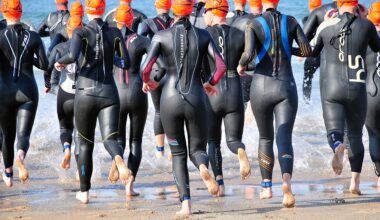

Using Yogic Breath to Enhance Athletic Performance
Yoga breathing techniques, known as pranayama, significantly enhance athletic performance. By mastering the art of controlled breathing, athletes can improve their endurance, focus, and recovery. Yogic breath helps stabilize the body and mind, making it an essential component in any training regimen. Incorporating these techniques allows athletes to develop a deeper connection with their bodies, ultimately leading to greater efficiency during physical activities. The application of these breathing methods can lead to improved oxygen intake, increasing stamina and energy levels. Additionally, pranayama can play a vital role in stress management, allowing athletes to stay calm and focused under pressure. This practice encourages a more harmonious relationship between the mind and body, which is crucial during competitions, as it helps practitioners to maintain their composure and performance. Many sports require athletes to harness their breath, and yoga provides effective strategies to achieve this. In summary, yogic breath offers numerous benefits for athletes, making it an invaluable tool in enhancing performance. By integrating these techniques, athletes can unlock their full potential and achieve their goals with greater ease and confidence.
One of the most effective breathing techniques in yoga is the Ujjayi breath. This technique involves inhaling deeply through the nose while constricting the throat slightly, creating a soft, ocean-like sound. Many athletes find it extremely beneficial, as it helps maintain consistent breath control during high-intensity workouts. Ujjayi breathing enhances overall endurance by increasing oxygen flow to the muscles. Additionally, it promotes relaxation, which can reduce anxiety and tension during intense competition. Athletes often rely on this technique to manage fatigue, as the controlled breathing helps to slow the heart rate and decrease stress levels. Another key benefit is its role in enhancing focus. By concentrating on the sound and rhythm of Ujjayi breath, athletes can enhance their mental clarity, leading to better performance. Furthermore, ongoing practice of Ujjayi breathing can aid in developing lung capacity, which in turn improves endurance. Overall, incorporating Ujjayi into training routines can dramatically influence overall athletic capabilities. As athletes become more attuned to their breath, they often experience noticeable improvements in both physical and mental aspects of their performance.
Another important breathing technique is Kapalabhati, or skull shining breath. This method involves short, quick exhales followed by passive inhales, creating an energizing effect. Kapalabhati increases blood circulation, improves lung function, and provides a stimulating effect that can energize athletes before workouts. Regular practice of this technique can lead to enhanced respiratory strength, allowing athletes to perform better during activities requiring high levels of stamina. Moreover, Kapalabhati cleanses the lungs by removing toxins, which can lead to improved overall health and wellness. As athletes engage in this powerful breathing technique, they may feel a rush of energy and clarity, boosting both their physical and mental performance. Many find that practicing Kapalabhati helps to clear stagnant energy and improves concentration, making it an excellent choice before competitions. Additionally, it can also serve as a great warm-up technique during training sessions. By incorporating Kapalabhati into their daily routines, athletes can cultivate greater energy levels, improving endurance and enhancing their overall athletic abilities. Embracing this practice can yield long-term benefits for performance and overall health.
The Role of Diaphragmatic Breathing
Diaphragmatic breathing, also known as abdominal or belly breathing, is another sacred yogic technique that enhances athletic performance. By fully engaging the diaphragm rather than relying on shallow chest breathing, athletes can significantly improve their lung capacity and efficiency. This method aids in oxygen delivery to muscles during physical exertion, resulting in better overall performance. Additionally, diaphragmatic breathing promotes a relaxed state of mind, which can be highly advantageous during competition. When tension is reduced, athletes can maintain their focus and execute their skills more effectively. Furthermore, this technique assists with post-exercise recovery by helping regulate the nervous system, leading to faster restoration and less physical discomfort. Regular practice of diaphragmatic breath can deepen awareness of bodily sensations, which is crucial for athletes striving to enhance their skills. Emphasizing this technique as a regular part of training can yield substantial improvements in overall performance across various sports. Athletes who incorporate diaphragmatic breathing into their routines may experience less anxiety and improved overall mental clarity during competitions.
Incorporating a structured breathing routine alongside stretching and physical exercises can further augment an athlete’s training. As practitioners learn to synchronize their movements with their breath, they often find improved coordination and flow. The combination of yogic techniques and athletic endeavors can lead to an increased feel for one’s body in motion. This synchronization enables an athlete to make rapid adjustments, fostering better performance outcomes. Additionally, breathing methods can enhance core stability, which is crucial for strength and balance during activities. Athletes are encouraged to practice these techniques consistently to notice cumulative benefits over time. Developing a unique breathwork routine that complements current exercises can effectively improve athletic capabilities. Mentoring from a knowledgeable instructor can provide valuable insights into personalized breathing practices, ensuring a more targeted approach. Ultimately, fine-tuning breath through yoga can elevate athletic performance, leading to gains in strength, endurance, and overall coordination. Athletes who prioritize their breathing practice will likely achieve greater success in their chosen sports, while also enjoying enhanced mental and physical well-being.
Mental Clarity Through Breath Awareness
The connection between breath and mental clarity cannot be overstated. Practicing yogic breathing techniques encourages athletes to cultivate mindfulness and awareness in both training and competition. By focusing on their breath, athletes can quiet their minds, allowing space for better decision-making and reduced distractions. Increased mindfulness leads to improved concentration, and in sports, this heightened focus can create a significant competitive edge. Techniques like Nadi Shodhana, or alternate nostril breathing, can balance the energy in the body and promote a sense of calm. This balance aids in enhancing overall performance and allows athletes to tap into their full potential. Engaging in gentle breath awareness can help athletes recognize physical tension and release it, creating a greater sense of relaxation and readiness. The ability to focus on breath during stressful moments sets successful athletes apart from others, enabling them to perform under pressure. Overall, incorporating breath awareness into daily training regimens can lead to improved outcomes, mental resilience, and each athlete’s ability to perform at their best.
As athletes explore the depths of yogic breathing techniques, they often discover strategies tailored to their specific needs. Individualizing these practices can significantly improve effectiveness, helping each person achieve their unique goals. For instance, some athletes may benefit from invigorating breath techniques pre-competition, while others might prefer calming practices for recovery. Such tailored approaches ensure the integration of yoga and athletic training is harmonious and effective. Combining various yogic techniques with physical activities allows athletes to cultivate a comprehensive approach to performance enhancement. Those who commit to understanding and practicing their breath often notice improved endurance, recovery, and overall athleticism as a result. Regular self-reflection on the effectiveness of these methods can yield continual improvements. Additionally, seeking guidance from experienced yoga instructors can provide valuable insights and personalized adaptations. In conclusion, the integration of yogic breathing techniques into athletic training enhances performance beyond mere physicality. As athletes unlock the full power of their breath, they pave the way for greater achievements in both their sporting journeys and life.
Conclusion on Yogic Breathing Benefits
In summary, incorporating yogic breathing techniques into athletic training is essential for enhancing performance. The focus on breath leads to numerous benefits, including increased stamina, better focus, improved recovery, and greater overall well-being. Pranayama fosters a deeper connection between the mind and body, especially important for athletes pushing their limits. As practitioners progress, they often uncover transformative effects both physically and mentally. The ability to manage stress and maintain composure under pressure is a vital skill that breath awareness sharpens. Techniques like Ujjayi and Kapalabhati can energize, while diaphragmatic breathing helps relax and acclimatize to high-pressure situations. Ultimately, these methods offer a holistic approach that maximizes athletic potential. Athletes who integrate these practices will likely dominate their sports while maintaining enhanced focus, balance, and coordination. Exploring and deepening yogic breathing techniques can lead athletes to experience much richer performance journeys. The benefits of these practices extend beyond the physical realm, fostering commendable qualities such as resilience, focus, and inner harmony. Therefore, embracing yogic breathwork signifies an acceptance of the profound relationship between breath and performance, a timeless wisdom needed for athletic success.