
Yoga Poses Focused on Relaxation After Exercise for Seniors
Yoga is an incredibly beneficial practice for seniors, particularly after exercise. Relaxation techniques can help ease tension in the body and mind, promoting better recovery and overall wellbeing. Among the various exercises available, yoga poses specifically designed for relaxation can be incredibly effective. When practicing these poses, seniors should focus on gentle movements and mindful breathing. In this article, we will explore some essential yoga poses that can aid in relaxation, offering various physical and mental benefits to seniors. It is important to approach yoga with mindfulness, ensuring that each pose is performed with care to avoid strain or injury. Adapting poses to cater to individual capabilities is essential. Getting into the rhythm of yoga can significantly enhance relaxation, paving the way for stress relief. Breathing deeply through each pose allows individuals to truly experience the tension release. Any movement in yoga should be done at a comfortable pace. Remember to listen to your body and respect its limits during each session. Incorporating these poses into your post-exercise routine may lead to a more enjoyable and restorative experience.
Benefits of Relaxation Techniques
Incorporating relaxation techniques like yoga after exercise provides numerous benefits for seniors. Firstly, these poses help decrease muscle tension and promote flexibility, aiding recovery from physical activity. Besides, relaxation techniques can significantly boost mental health by reducing anxiety and stress. Seniors often experience cognitive decline, and engaging in calming practices like yoga can enhance focus and mental clarity. Consistent practice of these poses supports emotional regulation, allowing seniors to manage their emotions better over time. Furthermore, these techniques contribute to improved sleep quality, essential for recovery and overall health. Breath control is a crucial part of yoga; it fosters a deeper connection between the mind and body. Engaging in relaxation techniques can also build a sense of community, especially when practiced in groups. Seniors can bond with others as they participate in classes or sessions together, enriching their social lives. The gentle nature of yoga suits varying fitness levels, making it accessible for everyone regardless of physical condition. Above all, the emphasis on mindfulness in yoga cultivates a positive attitude, helping seniors embrace their aging process with grace and positivity.
One effective yoga pose for relaxation after exercise is the Child’s Pose. This gentle posture helps stretch the back and shoulders, providing relief from stiffness. To engage in this pose, seniors should kneel on the mat, sit back on the heels, and extend the arms forward while resting the forehead on the ground. This position promotes a calming effect, allowing for deep breathing. Next, the Savasana, or Corpse Pose, plays a vital role in relaxation. It encourages complete stillness, allowing the body to absorb the benefits of exercise. Seniors should lie flat on their backs with arms by their sides, focusing on each breath and letting go of tension. Poses like Legs-Up-the-Wall are also beneficial, promoting circulation and alleviating fatigue. By laying on the back and elevating the legs against a wall, seniors can rejuvenate and unwind. Incorporating these poses into a daily routine can lead to significant relaxation and recuperation after workout sessions. Just remember that consistency is key to maximizing the benefits of these essential poses in the after-exercise routine.
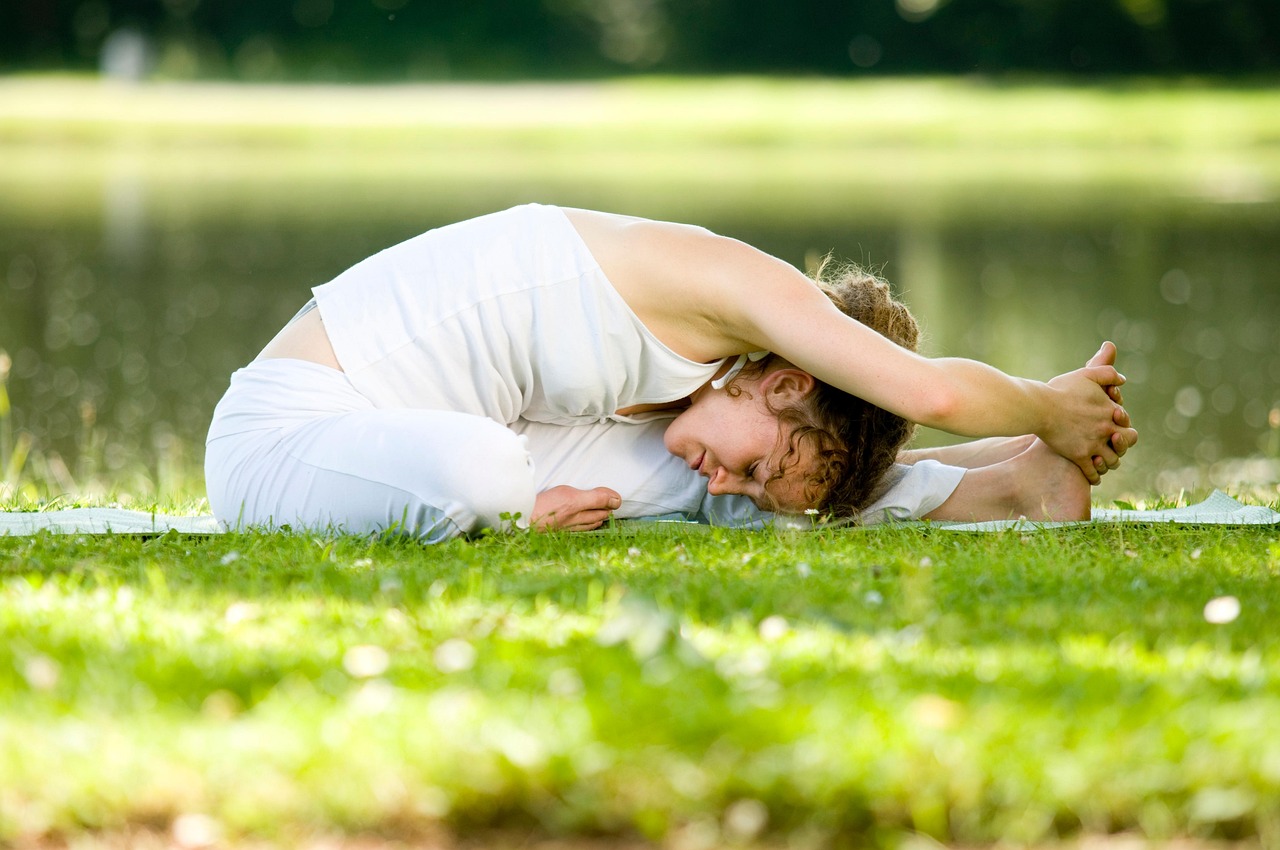
The Cat-Cow stretch is another excellent combination of yoga poses for relaxation after exercise. This gentle flow introduces spinal flexibility and assists in easing tension in the back and neck. Seniors can rise onto all fours, transitioning between arching the back and sinking the belly. Combining breath with movement enhances relaxation; inhaling during the Cow pose and exhaling in the Cat pose can create a soothing rhythm. Additionally, the Forward Bend is a great way to release tight hamstrings and lower back pressure. By standing tall and slowly bending forward at the hips, seniors can rest their hands on the legs or floor. This pose encourages calmness and focus. After exercising, a gentle seated twist can energize while still promoting relaxation. Seniors can sit cross-legged, gently twisting the torso while placing one hand on the opposite knee. Each twist helps detoxify the body and improves digestion. It’s essential to approach these poses with mindfulness, ensuring each movement is deliberate and cautious. The beauty of these techniques lies in their simplicity, allowing seniors to embrace relaxation seamlessly.
Incorporating Meditation
Meditation is another valuable practice that pairs wonderfully with yoga for promoting relaxation after exercise. Engaging in mindfulness meditation allows seniors to focus on the present moment and cultivate awareness of their thoughts and feelings. Sitting comfortably in a quiet space, seniors can begin their meditation by closing their eyes and taking gentle breaths. Focusing on the breath creates a calming environment, which complements the physical relaxation experienced with yoga poses. Additionally, guided meditation specifically targeting relaxation is available through various platforms. These sessions provide structured instructions, leading seniors through serene visualizations or soothing soundscapes. Such an engaging approach can ease the transition between yoga poses and a meditative state. Regular meditation practice can enhance the benefits gained from yoga, offering improved emotional stability and stress reduction. For seniors, the combination of yoga and meditation fosters an overall sense of wellbeing. As they continue with their practices, they may witness growth in their mental resilience and ability to handle life’s challenges. For a comprehensive relaxation routine, consider integrating both practices into daily schedules.
In conclusion, yoga poses focused on relaxation are immensely beneficial for seniors after exercise. The combination of gentle movements and mindful breathing nurtures recovery while promoting physical and mental health. Each pose discussed, including Child’s Pose, Savasana, and the Cat-Cow stretch, complements relaxation effectively. It is essential for seniors to familiarize themselves with these poses to enhance their post-exercise routine. By introducing relaxation techniques, seniors can mitigate tension, improve flexibility, and support emotional balance. The integration of meditation further amplifies these advantages, guiding seniors toward a peaceful state of mind. Incorporating these practices into their lives creates opportunities for socialization and community engagement among seniors. Appropriate adaptations ensure safety and comfort without compromising effectiveness. Ultimately, the unwavering commitment to relaxation strengthens resilience in facing life’s challenges. Therefore, embracing this holistic approach to health will surely enrich the lives of seniors and pave the way for a healthier, more mindful lifestyle. Remember that individual capabilities should always be respected, making yoga an inclusive practice suitable for everyone.
Take the time to explore these yoga poses and relaxation techniques suitable for your lifestyle. Connecting with local classes or online sessions can enhance the experience. Seek out instructors who specialize in senior fitness to ensure appropriate adjustments. Continuous learning and exploration are essential aspects of any fitness journey. These practices provide tools not only for relaxation but for an empowered mindset. Creating a vibrant support system among peers can turn a solo practice into a fulfilling community experience. Moreover, a commitment to relaxation encourages seniors to embrace this chapter of life with courage and positivity. Understanding the fundamental principles of yoga and relaxation techniques allows seniors to tailor their routine effectively. Consider documenting your progress through photos or journals, noting the changes that occur over time. With each gentle practice, seniors can foster lifelong health habits. Experimenting with different techniques encourages self-discovery and personal growth in each individual. As you approach your yoga practice, remember that every day provides an opportunity to learn. Prioritize self-care by integrating these yoga poses into your post-exercise routine. Your journey towards relaxation will be an enriching experience.
Lastly, be patient with your progress, as relaxation techniques take time to master effectively. Embrace each yoga session’s individuality, allowing space for self-discovery. Understanding that each body is unique will enhance the practice’s benefits. Some seniors may require additional modifications or assistance while engaging in yoga, which highlights the importance of listening to your body. Establishing a personalization process ensures that practices cater to individual needs, promoting comfort and enjoyment. Remember that relaxation should never be rushed, and achieving a state of calm is a journey in itself. Eventually, as comfort with these poses develops, seniors may find themselves more attuned to their bodies and more responsive to emotional challenges. Keeping your practice consistently updated can foster long-term commitment, leading to sustained benefits over time. Creating a supportive environment while practicing encourages positive reinforcement. Share your experiences with loved ones or fellow seniors to inspire others in their journey of relaxation. Ultimately, the consistent practice of yoga poses can lead to a more balanced lifestyle, creating harmony between physical and mental health while progressing towards becoming a more mindful individual.