
Guided Imagery Meditation to Enhance Muscle Recovery
Guided imagery meditation is a powerful technique that can significantly aid muscle recovery. This practice involves using visualization to promote healing, allowing your mind to guide your body toward relaxation. With this meditation technique, you create a mental image of your body at rest, feeling lighter and free of tension. Focusing your thoughts on this vivid imagery can help release pent-up stress, reduce muscle soreness, and improve overall recovery. By tapping into your subconscious, you may enhance your body’s natural healing processes. Furthermore, focusing the mind can also increase blood circulation, which contributes to faster muscle repair. Regularly practicing guided imagery meditation can foster a deeper connection between your mind and body. This connection can improve your ability to relax, leading to a more effective recovery. It is crucial to find a quiet space where distractions are minimized, allowing you to concentrate fully on the guided session. Whether you’re recovering from physical activity or just need a moment to recharge, this meditation can be a wonderful tool to add to your wellness routine and achieve a renewed sense of vitality after exercise.
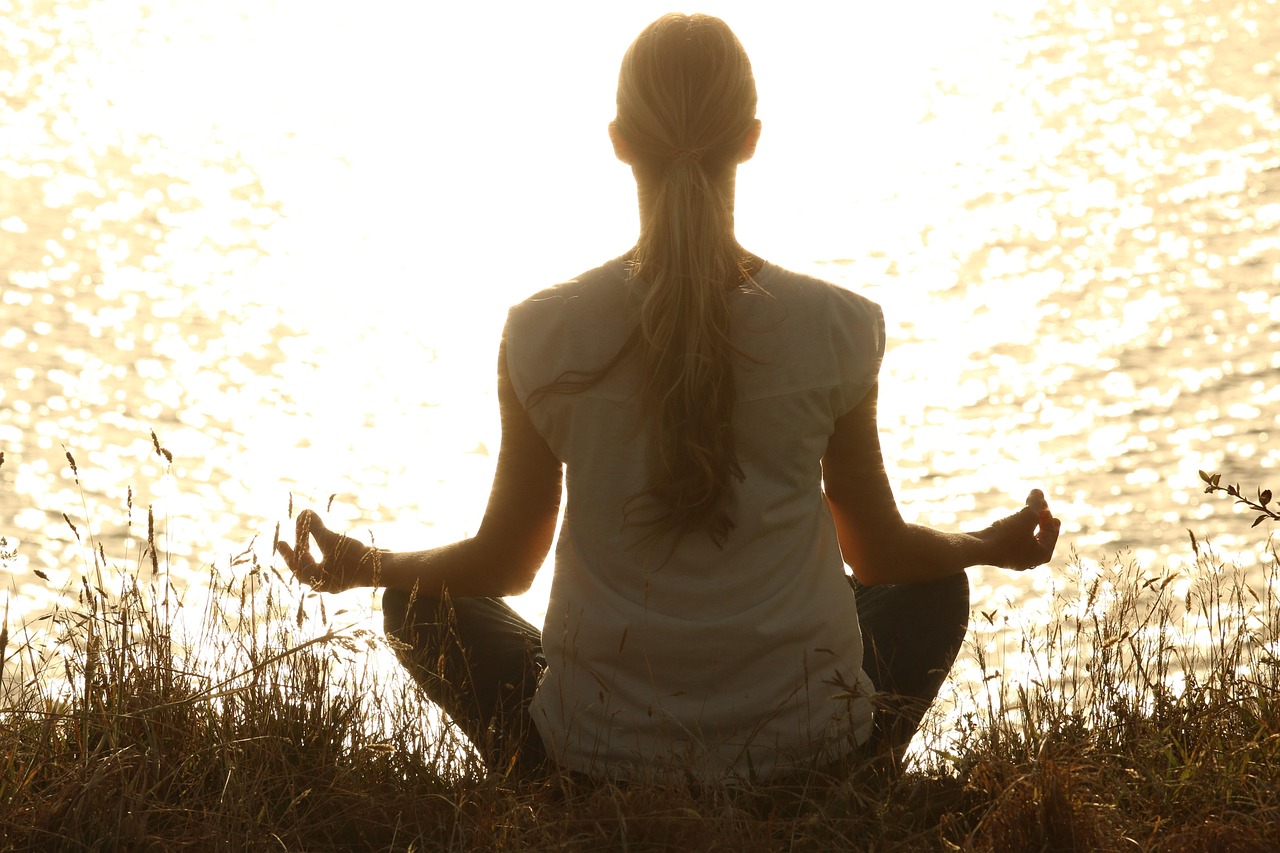
To practice guided imagery meditation effectively, follow these essential steps. Begin your session in a relaxed posture, whether sitting or lying down. Settle in and take deep breaths, inhaling through the nose and exhaling through the mouth. Visualize a peaceful setting, such as a serene beach or a tranquil forest. Imagine the gentle sounds, scents, and feelings associated with that environment. As you immerse yourself in this mental scene, allow any tension in your muscles to melt away, creating a sensation of lightness. During this process, focus on specific muscle groups that require recovery. As you move through your visualization, consciously send warmth and healing energy to these areas. Doing so can promote relaxation and recovery. Utilize guided meditation recordings or apps featuring calming narratives to enhance the experience. These tools can provide gentle instructions that ease you into your practice. Remember, consistency is vital, so aim to incorporate this technique into your routines regularly. Embracing guided imagery meditation can help you not only recover but also maintain a well-balanced mental state, reinforcing a holistic approach to health.
The Science Behind Guided Imagery Meditation
Research supports the effectiveness of guided imagery meditation for muscle recovery. Various studies reveal that visualization techniques can stimulate a physiological response in the body. Such responses often include improved circulation, reduced stress hormones, and enhanced muscle repair. When you visualize healing, your brain begins to activate neural pathways associated with recovery and strength. This connection between mind and body is powerful because it encourages your body to respond positively to injury or soreness. Furthermore, engaging in visualization can help manage pain by shifting your focus away from discomfort. Instead of concentrating solely on muscle injuries, the mind creates a narrative of strength and healing. This cognitive redirection can diminish the perception of pain and promote a more positive recovery experience. Regular practice of guided imagery not only influences your body’s recovery processes but can also boost your mental resilience. A strong mindset is crucial in athletes and active individuals. As you continue to explore the effects of guided imagery, you can develop a stronger emotional foundation for your physical endeavors.
Incorporating guided imagery into your post-workout routine can optimize muscle recovery. After a workout, it is essential to transition from physical exertion to relaxation seamlessly. Take the time to cool down your muscles with gentle stretching or light activity. Following this, find a quiet space where you will not be disturbed. Close your eyes, breathe deeply, and shift your focus to your breath. When your mind quietens, start to visualize your body healing. Imagine the essential nutrients flowing into your muscles, aiding in their repair. Picture each muscle fiber regenerating and strengthening with each visualization cycle. You might also visualize a protective light surrounding your muscles, indicating recovery and healing. All these aspects work together to streamline the recovery process. Aim to spend at least ten to twenty minutes in this relaxation and visualization state. This can help reinforce the positive effects of exercise and promote mental clarity. By structuring your post-workout routine, you can create a dedicated space for recovery that allows your physical and mental well-being to thrive.
Benefits of Regular Guided Imagery Practice
Engaging in regular guided imagery sessions yields numerous benefits beyond muscle recovery. This meditation technique can enhance mental clarity, reduce anxiety, and improve emotional well-being. People who incorporate guided imagery into their daily lives often report higher levels of relaxation and improved focus. Moreover, those practicing this technique experience reduced muscle tension, allowing for enhanced performance during physical activities. By enhancing your mental state, you might also find an increase in your motivation and dedication to fitness. The mind-body connection cultivated through these meditative practices fosters a state of awareness and presence within both aspects. These skills can be invaluable as they help you cope with challenges, both physical and mental. Regular practitioners also tend to cultivate a more profound sense of self-compassion and acceptance. Incorporating these practices can lead to improved recovery times, increased strength, and better overall performance in your activities. The mental aspect of guided imagery meditation can nurture your resilience, turning obstacles into opportunities for growth. So, embrace this transformative practice as part of your holistic self-care journey.
To maximize the effects of guided imagery meditation, consider combining it with other techniques for a multidimensional approach to recovery. Techniques such as gentle yoga, progressive muscle relaxation, or deep-breathing exercises can enhance the benefits of guided imagery. These complementary practices help incorporate both physical relaxation and mental focus. You might also explore aromatherapy, as certain essential oils, like lavender and eucalyptus, may amplify relaxation during meditation. Creating a routine that incorporates guided imagery with these various methods can create a powerful recovery strategy. Find a quiet space where you can practice without interruptions, allowing yourself to settle into the moment. Listening to calming music or nature sounds while practicing can deepen your meditative experience. Be sure to maintain a consistent schedule, as routine will foster more profound benefits. Track your progress as you integrate these recovery practices into your lifestyle. Each session can bring new insights, promoting a comprehensive and effective recovery experience. Observing changes in your body and mind can encourage you to continue this nourishing journey of self-discovery and healing.
Conclusion and Tips for Effective Practice
In conclusion, guided imagery meditation is a fantastic tool to enhance muscle recovery while promoting mental well-being. This practice encourages a strong connection between your mind and body and is essential for athletes and active individuals alike. To ensure a successful and fulfilling visualization practice, consider implementing these tips: create a dedicated space for meditation, establish a regular practice schedule, and explore different visualization themes that resonate with your needs. Experiment with various guided meditation apps to find a narration style that suits you. Don’t be afraid to adjust your visualization practice as your needs evolve. Additionally, maintain an open mindset towards the therapeutic benefits of meditation, allowing yourself to embrace the process fully. Remember to focus on your breathing throughout the session, as it is a powerful anchor for your thoughts. With time, dedication, and patience, the benefits of guided imagery meditation will permeate into your recovery process and daily life. This holistic approach will enable you to feel stronger, more centered, and rejuvenated, ultimately enhancing not just muscle recovery but overall well-being.
When you fully embrace guided imagery meditation, it becomes an integral part of your wellness routine. Allow yourself to be open to its numerous benefits, focusing on relaxation, healing, and strength. By cultivating a practice that prioritizes your physical and mental health, you will witness a profound transformation in your recovery experience. In addition to enhancing muscle recovery, it encourages a healthier mindset that fosters resilience, clarity, and empowerment. Engage in this practice with gratitude and intention, as each session contributes positively toward your well-being. The journey towards enhanced recovery and wellbeing begins with you. Make guided imagery meditation a steadfast companion on your quest for optimal health and well-being.