
Protein Timing Strategies for Post-Workout Recovery
After an intense workout, protein plays a crucial role in muscle recovery. The timing of protein intake is vital to maximize recovery and adaptation. Consuming protein shortly after exercise can stimulate muscle protein synthesis, effectively helping muscles repair and grow. Ideally, athletes should aim to consume protein within an optimal window of 30 to 60 minutes post-exercise. This timeframe allows the body to more efficiently utilize nutrients. Research suggests that combining protein with carbohydrates enhances recovery, making for a well-rounded post-workout meal. Here are some protein sources to consider:
- Whey protein shakes for fast absorption.
- Cottage cheese for casein protein.
- Grilled chicken or turkey as lean meats.
- Eggs for a complete amino acid profile.
Furthermore, the amount of protein needed varies based on individual goals and body weight. As general guidance, aim for 10-20 grams after workouts to initiate recovery. Consistent post-exercise nutrition will aid in quicker muscle repair and improved strength for future workouts. Your workout doesn’t end when you leave the gym; proper recovery is essential.
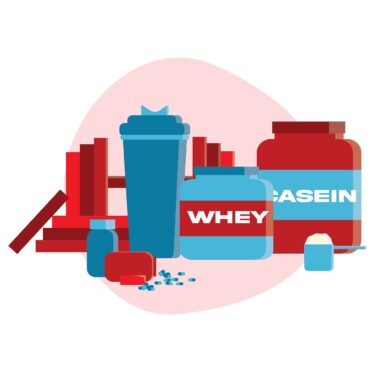
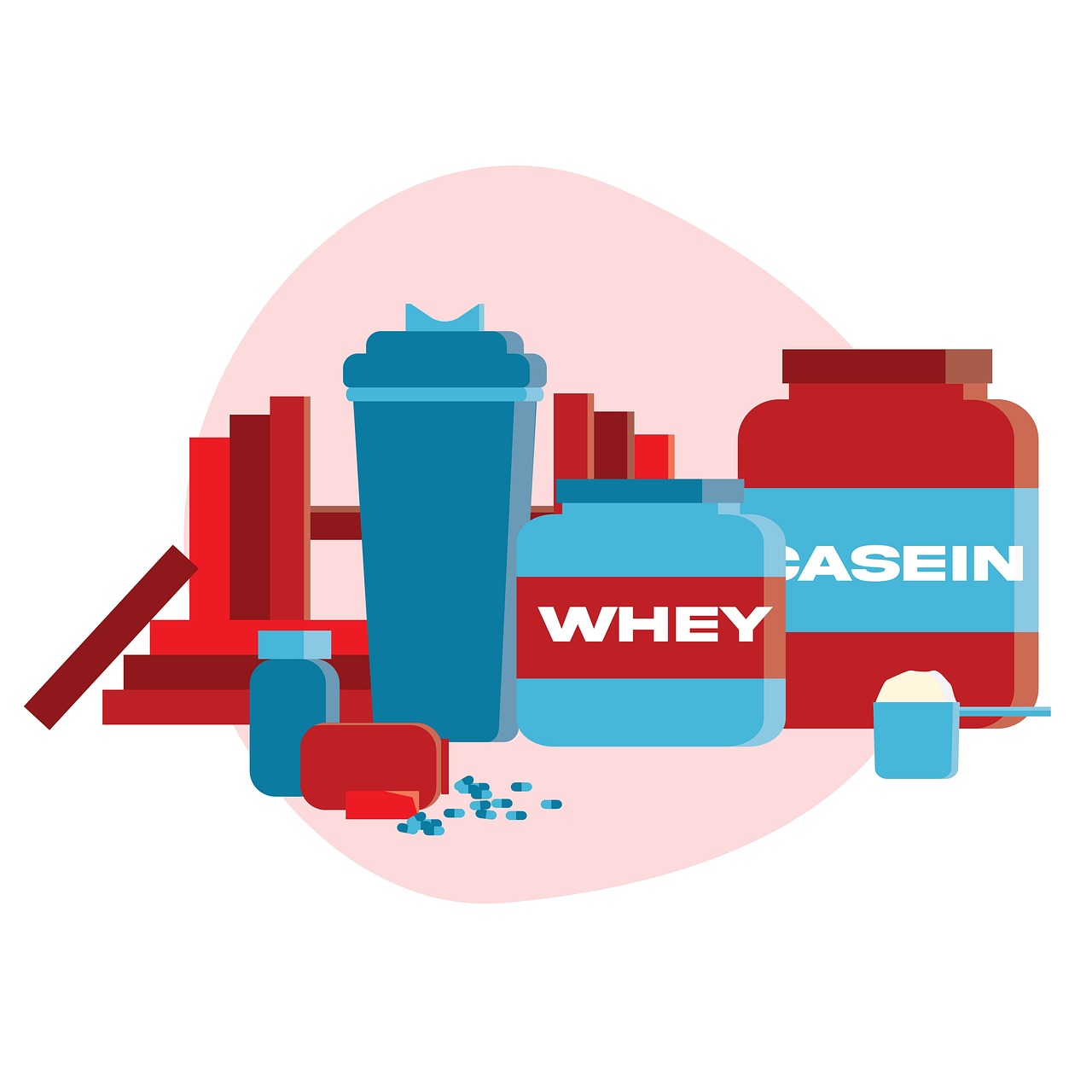
Choosing the right protein source is essential for effective recovery. Different protein sources offer unique benefits and timing for maximum effectiveness. Whey protein, for instance, has fast-digesting characteristics beneficial for immediate use after training. In contrast, casein protein digests more slowly, offering sustained amino acid release. Combining whey and casein can optimize muscle recovery. Furthermore, research indicates that specific amino acids contribute significantly to muscle healing. Leucine, an essential amino acid, activates muscle protein synthesis pathways crucial for muscle growth and repair. Post-workout drinks often include branched-chain amino acids (BCAAs) for this reason. Hydration should not be overlooked, as it supports nutrient transport and promotes recovery. Water, electrolyte-rich drinks, and smoothies can be effective recovery aids. Ensure any post-workout meal also contains sufficient carbohydrates to replenish glycogen stores. This balance will help in overall recovery and performance enhancement. Remember, recovery nutrition is as vital as the workout itself. Keeping track of your nutrient intake may seem tedious, but your muscles will thank you for it in the long run, enhancing both performance and strength.
The Role of Carbohydrates in Recovery
Carbohydrates play a complementary role to protein in post-workout recovery strategies. Athletes need glycogen replenishment after strenuous activities, and consuming a balanced post-workout meal with carbs helps restore these stores efficiently. The general recommendation is to include about three parts carbohydrates to one part protein in recovery meals. This ratio promotes faster glycogen synthesis and better recovery outcomes. Foods like oats, bananas, or rice combined with a protein source can create effective recovery meals. Timing is critical as well; the sooner carbohydrates are consumed after exercise, the faster glycogen will be restored. Studies suggest consuming carbohydrates within 30 minutes to two hours after exercise to reap the full benefits. Additionally, pairing carbs and protein can stimulate insulin response, further enhancing nutrient uptake. High glycemic index foods, like white rice or sports drinks, can be beneficial when consumed right after exercise. Engage in planning your post-exercise meals to ensure you meet your nutritional requirements. Effective post-workout nutrition not only aids in muscle recovery but also prepares you for your next training session.
Another important aspect of protein timing is individual variability. Each athlete’s recovery needs differ based on factors like body composition, workout intensity, and overall training volume. It is essential to tailor protein intake based on these variables for optimal results. Tracking personal performance and recovery can help in determining specific nutritional needs. Using mobile apps or food diaries can assist in monitoring macro intake and timing of meals. Consider consulting a registered dietitian who specializes in sports nutrition. They can tailor a dietary plan that aligns with your fitness goals. Additionally, caffeine consumption may influence performance and recovery. Some studies suggest that caffeine can enhance recovery when combined with protein, increasing the effectiveness of post-workout meals. Experimenting with these variables in a structured way allows athletes to discover what works best for their unique body and performance needs. Quality sleep, hydration, and active recovery are other components that can enhance the protein timing strategy. Nutritional approaches need to form part of a holistic strategy for muscle recovery and performance optimization. The synergy of training, nutrition, and recovery leads to athletic success.
Psychological Factors and Motivation
Psychological factors also play a significant role in recovery processes. Athletes who remain focused on their nutrition and recovery strategies tend to achieve better results overall. Building habits around post-workout nutrition helps athletes maintain consistency. Creating a routine can also improve the psychological state. Associating post-workout meals with positive outcomes can enhance motivation. Coaches and trainers can help in establishing these habits to ensure they become automatic. Developing a mindset around recovery as an essential part of training can increase compliance and enthusiasm towards maintaining a healthy diet. Social influences also affect dietary choices. Training with teammates who emphasize recovery nutrition can motivate better eating habits, thus maintaining accountability in diet adherence. Overall mindset shifts can lead to long-term benefits. Trying to incorporate mindful eating practices during recovery can enhance nutrient absorption and improve overall satisfaction with meals. Additionally, recognizing the psychological impacts of training and recovery boosts motivation and contributes to lower rates of burnout. Essentially, your mental outlook significantly contributes to achieving physical recovery goals. Make recovery a goal-centric mindset rather than a chore.
Furthermore, supplementation has become a popular topic in sports nutrition regarding protein intake and recovery enhancement. Athletes often consider using protein powders, BCAAs, or other recovery-focused formulations to optimize their nutritional intake. But it is essential to choose high-quality products and understand how and when to incorporate them into your regimen effectively. Researching whether a specific supplement can meet your individual performance needs underpins sound decision-making. It’s wise to discuss any supplementation with a healthcare provider or a sports nutritionist to avoid potential contraindications. Over-reliance on supplements instead of whole foods can detract from the diverse nutrient profile necessary for overall recovery and athletic performance. Whey protein isolate or synthetic amino acids are common forms that athletes may utilize. However, they shouldn’t replace whole food sources, which contain vitamins, minerals, and phytonutrients that enhance recovery. Supplementation should be a complement to, not a substitute for, a balanced diet. While products can help fill gaps, understanding whole food benefits is vital. Top-tier athletes recognize that food quality is fundamental to recovery just as much as protein timing.
Conclusion: Enhancing Recovery with Smart Nutrition
In conclusion, post-workout nutrition is integral to recovery and performance enhancement for athletes. Understanding protein intake timing and combining it with carbohydrates can yield significant benefits. Developing a strategic approach to nutrition in relation to workout schedules helps ensure recovery is not an afterthought. Consistency in hydration, balanced nutrient intake, and psychological factors should be considered to promote a holistic recovery strategy. Being aware of personal needs and collaborating with professionals can optimize the nutrition plan tailored to individual requirements. Also, recognizing the value of both supplementation and whole foods plays a vital role in the discussion on recovery. This knowledge empowers athletes to make better nutritional choices, enhancing their performance and reducing injury risks. Prioritizing post-exercise recovery is crucial for forward momentum in athletic careers. A commitment to nutrition will pay dividends in your training journey. Adopting these strategies opens avenues to reaching personal goals and maximizing athletic potential. Ultimately, investing in post-workout recovery nutrition sets up a strong foundation for any athlete aiming for excellence.
The exploration of protein timing strategies continues to evolve, and athletes are consistently seeking effective ways to enhance muscle recovery. As research grows, updated practices emerge, allowing athletes to stay ahead of the curve to optimize performance. The integration of technology and nutrition science will only enhance our understanding of muscle recovery methods and their importance in athletic training. The significance of personalization and bio-individuality paves the way for a new era in athlete performance. More tailored nutrition plans, incorporating not just macronutrient timing but the specific needs of individual athletes, might revolutionize how we approach nutrition in sports. Constant learning about nutrition science, staying informed about the latest studies, and adjusting regimens to include new findings can help in achieving optimal outcomes. Engaging with online communities and experts ensures athletes are not left behind in this incredibly evolving field. Training must meet nutritional strategies, aligning both for comprehensive growth. The synergy between effective protein intake and muscle recovery can transform an athlete’s capabilities. Overall, being proactive instead of reactive to recovery nutrition translates into better performance, recovery, and a healthier competitive edge in the sports world.