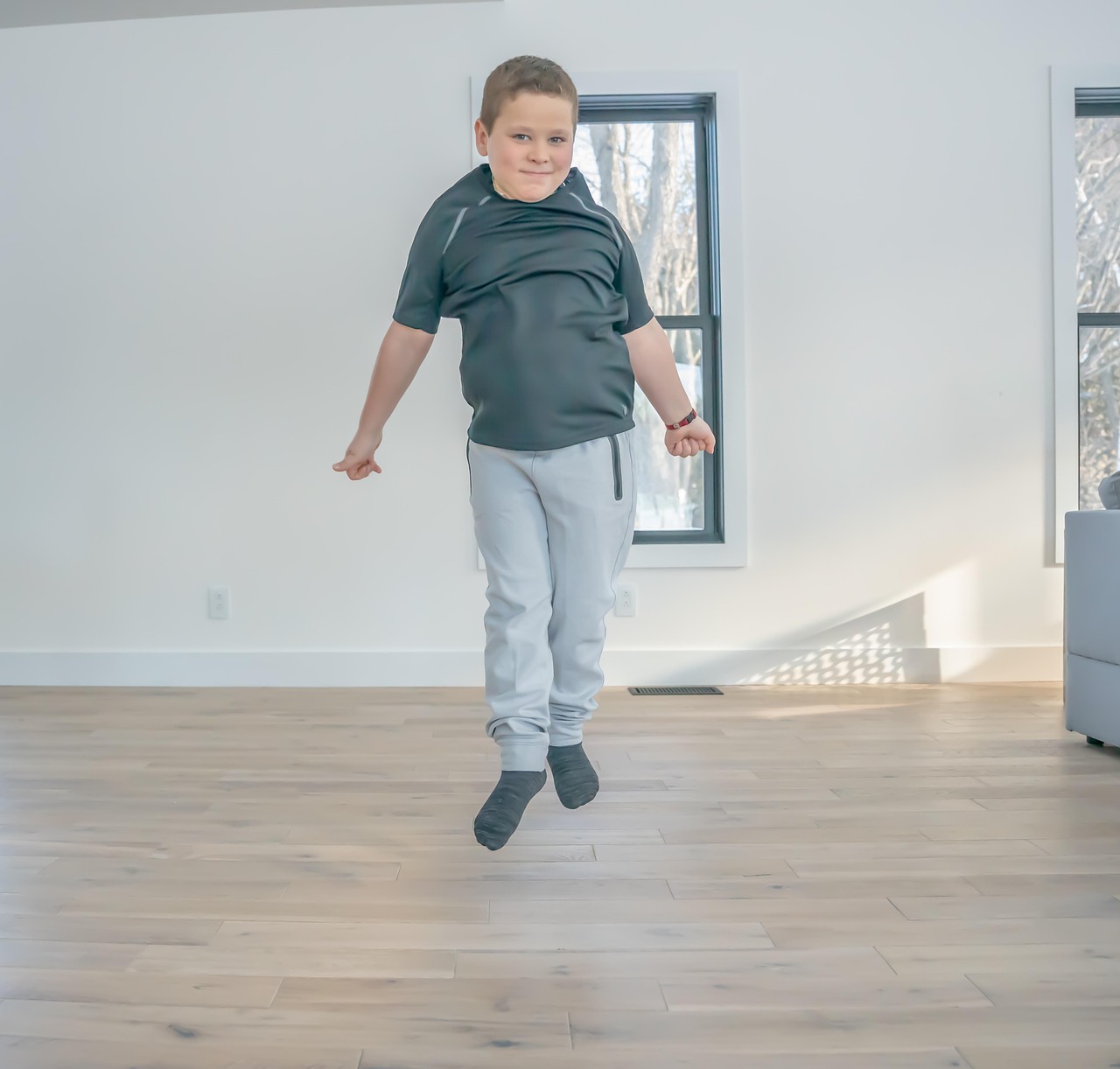

Safety Guidelines for Kids Doing Bodyweight Workouts
When encouraging kids to take part in bodyweight exercises, safety should always be a priority. It’s crucial to understand that children are still growing, and their bodies are not yet fully developed. To help ensure their safety during workouts, parents and guardians should supervise them at all times. Always ensure that the children warm up properly. A light warm-up can help prevent injuries. Additionally, parents should check the space where children are exercising to ensure it’s free of obstacles that could cause accidents. When introducing any new exercises, start with basic movements that are age-appropriate. Demonstrations can help kids understand the proper form and technique. Explain the importance of correct posture during each exercise, as this will keep their bodies safe while strengthening muscles. Encourage children to listen to their bodies. If they experience pain or discomfort, they should stop immediately. Finally, practice moderation; it’s not necessary for kids to do strenuous workouts every day. Aim for a few sessions each week to maintain a balance of activity and rest. This promotes healthier growth as well as enthusiasm for fitness.
Choosing the Right Exercises
Choosing the right exercises for kids is essential for ensuring that workouts remain fun and engaging. Bodyweight exercises are excellent for kids because they can be performed anywhere and require no special equipment. Start with simple movements like push-ups, squats, lunges, and planks. These exercises can help kids build strength and flexibility at their own pace. To maintain interest, consider incorporating games or challenges that include bodyweight movements. For instance, a scavenger hunt that requires kids to perform specific exercises at each station can be both entertaining and instructional. Always keep in mind the fitness level and physical capabilities of the child. Gradually increase the difficulty of the exercises as they become more adept to avoid frustration. Practicing with a friend can also improve motivation and create a fun, social experience. Ensure that each workout includes a mix of different movements targeting various muscle groups. This helps in developing balanced strength. Bodyweight workouts should never feel overly challenging or stale so continually adapt them to meet evolving interests and abilities.
Another important guideline regarding bodyweight exercises for kids is hydration. Keeping hydrated plays a crucial role in a child’s overall performance and well-being. Ensure that children have access to water during workouts, and encourage them to drink before, during, and after exercising. Be mindful of the signs of dehydration, which can manifest through excessive thirst, fatigue, or dizziness. However, hydration isn’t only about water intake; it also involves nutrition. Proper nutrition is key to fueling young bodies for physical activity. A balanced diet full of fruits, vegetables, and protein can help maintain energy levels during workouts. Before engaging in exercise, children should have a light snack as it can provide a necessary boost. Similarly, post-workout meals can aid in recovery and muscle growth. Teach kids the basics of healthy eating habits and involve them in meal preparation. This not only empowers them but also promotes a healthy lifestyle. Always remind them to eat mindfully and enjoy their food; this approach can create lifelong positive patterns regarding health and fitness.
Creating a Positive Environment
It’s essential to create a positive environment for kids when engaging in bodyweight workouts. Positive encouragement can foster a sense of accomplishment that enhances kids’ enjoyment of physical activity. Parents should focus on praises rather than criticizing attempts or performances, emphasizing effort and improvement over perfection. Establishing a routine will also help kids to recognize the importance of exercise. Routines provide a structured yet flexible approach to training and encourage consistency. Having fun-themed workout days or incorporating music can entice children to participate eagerly. Make time for discussions after workouts; asking kids how they felt and what they enjoyed can help develop their understanding of fitness. Emphasize the mental benefits of exercising too, such as reduced stress and improved mood, as this can show kids that fitness is not just about physical appearance. Engage families in activities that promote fitness as a unit. This could include family workout sessions or local community events aimed at physical activity. Building a support system will ensure that kids feel connected and encouraged in their fitness journey.
Another vital aspect to consider when kids do bodyweight exercises is safety gear. Providing appropriate safety equipment can help prevent injuries during workouts. While bodyweight exercises often carry minimal risk, using mats for exercises performed on the ground can offer additional cushioning. Additionally, if children are practicing outdoors, ensure they have suitable footwear to prevent slips and falls. Monitoring the surface they are exercising on can also be beneficial. Try to avoid workouts on wet or uneven surfaces, as these conditions can increase the risk of injuries. It’s advisable to keep a first-aid kit nearby when kids are exercising, just in case there’s a minor scrape or injury. This preparation helps to address any issues right away, reinforcing the importance of safety. Furthermore, teaching kids proper etiquette during workouts, such as being aware of their surroundings and not distracting others, encourages good behavior. Safety isn’t just about physical well-being but promoting awareness that can prevent accidents and help kids train effectively. Finally, evaluate workouts regularly; adapting or stopping exercises that may cause discomfort ensures ongoing safety and well-being.
Overcoming Challenges
Every child may face unique challenges when participating in bodyweight exercises. Addressing these challenges head-on and supporting kids can lead to greater perseverance and success in their fitness journey. Some children may feel self-conscious or nervous during workouts, which could hinder their performance. Encourage open communication so kids can express their concerns or fear. Sharing personal experiences can create a stronger bond between adults and children, showing them it’s normal to feel uncertain. Gradually introduce them to group workouts or peer activities that promote a sense of belonging. Kids often thrive in social environments, which can help reduce anxiety. For those who are not as physically coordinated, introduce exercises slowly and allow for gradual progression. Celebrate small wins, as these can provide significant motivation. Reinforcing that everyone has different strengths can promote healthy mindset development, encouraging kids to focus on personal growth rather than comparison. Foster resilience by emphasizing the importance of persistence and consistency over perfection. This mindset can be pivotal in helping kids embrace challenges, teaching them valuable lessons about health, fitness, and self-discipline.
Finally, it is essential to measure progress while ensuring that children are enjoying their bodyweight workouts. Tracking progress can help identify physical improvements, boosting children’s confidence and motivation. This can be done with fun and creative methods. For instance, maintaining a workout journal where children can record their completed exercises and achievements provides a tangible sense of accomplishment. Digital applications also allow tracking through gamification, promoting further engagement. Sharing progress with friends or family can create excitement as they cheer on each other. Focus on creating a fun atmosphere where children can set their personal goals rather than comparing themselves with others. Setting small goals can be helpful; for example, how many push-ups they can do at a time or durations for planks. Celebrate these milestones together, as this reinforces positive behavior towards fitness. It’s important to continuously assess goals to keep them achievable and stimulating. Re-emphasizing that success looks different for every child allows them to appreciate their unique strengths. Remember, the ultimate aim is to foster a love for movement, establishing a lifelong relationship with health and wellness.
Conclusion
In conclusion, instilling safety guidelines for kids during bodyweight workouts is vital in developing healthy exercise habits. Ensure that safety comes first through supervision, proper nutrition, and hydration for optimal performance. Selecting age-appropriate exercises, emphasizing warm-ups, and fostering a positive environment contributes to richer experiences. Encouraging children to engage in varied activities enhances their enjoyment, while monitoring their progress helps reinforce achievements and build confidence. Guidance during challenging moments empowers kids to overcome obstacles and teaches essential life lessons. Additionally, providing safety equipment when necessary ensures that they will tackle each workout securely. By emphasizing fun in fitness, parents and guardians have the potential to nurture a lifelong appreciation for exercise. With the right approach and mindset, kids can develop a robust foundation in health, wellness, and physical capabilities that will benefit them well into adulthood. Together, a supportive community can create an environment where children feel empowered, knowledgeable, and inspired to pursue fitness as a joyful journey rather than a chore. Encourage kids to embrace their journey with enthusiasm and passion; ultimately, this can lead to positive, lifelong habits that benefit their overall health and well-being.