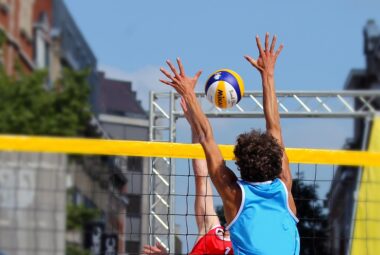

The Importance of Hand-Eye Coordination for Liberos
For volleyball liberating athletes, mastering hand-eye coordination is crucial. This specialized skill not only sets the foundation for effective plays but also enhances overall performance. As liberating specialists, these players play pivotal roles on the court, requiring acute reflexes and timely reactions. This training focuses on how players can develop their hand-eye coordination for optimal passing, digging, and setting. Such skills allow them to respond to different ball trajectories effectively. Additionally, consistent training regimes encourage muscle memory development, leading to perfecting intricate movements needed during play. Combining drills that focus on balls coming from various angles with positioning exercises primes players for demanding game situations. Coaches can implement a variety of tools and techniques such as reaction balls and partner drills. Motions that resemble real game scenarios should dominate practice. Practicing under fatigue conditions simulates game scenarios where hand-eye coordination becomes even more valuable. Therefore, being consistently in a high-performance environment strengthens this vital skill set. Coaches should emphasize repetition and challenge players, pushing them to elevate their performance. With focus and dedication, a libero can substantially improve their effectiveness on the court.
Hand-eye coordination encompasses more than just the ability to intercept or pass a volleyball. It involves integrating visual input with motor output, allowing players to make nimble decisions and swift movements. Accordingly, detailed video analysis of game play can be employed. Reviewing recordings allows athletes to see how physical movements align with visual cues during matches. Identifying areas in need of improvement is essential for progress. Following this analysis, tailored drills focusing on specific coordination tasks can sharpen players’ reflexes. Players should engage in activities outside traditional practice, enhancing their overall control and awareness. For example, using small balls, practicing juggling, or employing coordination ladders can be quite beneficial. Such targeted drills improve focus and agility. Additionally, including agility training that combines footwork, lateral movements, and reaction drills can create a well-rounded regimen. This helps liberating players better anticipate ball dynamics and adjust their movements accordingly. Individualized training plans should be designed, accounting for players’ unique abilities and challenges. Ultimately, promoting their hand-eye coordination skills will allow them to enhance their overall contribution to the team and excel in their specialized role.
Techniques for Improvement
Improving hand-eye coordination requires consistent practice and the application of effective techniques. One popular method is to engage in partner-based drills, where players must react to unpredictable ball tosses. This helps foster quick responses, enabling athletes to connect more efficiently with the ball. Incorporating visual contrast in drills is advantageous, as differing colors can enhance focus. Utilizing tools like colored balls during exercises may provide added stimulation to training sessions. When preparing to serve or receive, players must also focus on proper body alignment and balance. Effective transitions create opportunities for optimal play. Another invaluable technique is incorporating plyometric exercises, which enhance explosiveness, agility, and fast-twitch muscle response. Simple floor drills involving jumping and quick adjustments can boost these qualities. Furthermore, training acknowledging court awareness fosters spatial intelligence and improves players’ overall effectiveness during matches. Visualization techniques can also aid in reinforcing muscle memory, preparing players mentally for real match conditions. By blending physical training with mental exercises, liberating athletes can reach peak performance levels. Integrating these varied components builds a comprehensive skill set and ultimately aids in mastering the crucial hand-eye coordination needed on the volleyball court.
Effective communication is equally important for liberating players. This aspect often correlates closely with hand-eye coordination. Understanding non-verbal cues from teammates can aid a libero in anticipating plays and positioning themselves appropriately. Liberos must build rapport with their teammates, ensuring that everyone understands pre-established signals during practice sessions. This form of cognitive training improves overall team dynamics and enhances individual performance. Furthermore, combining coordination drills with verbal communication exercises adds another layer of complexity. Players can strengthen their cognitive load by practicing volleyball skills while simultaneously calling out commands. This way, they can sharpen their focus and enhance decision-making abilities. Another essential factor is the incorporation of mindfulness training. Staying present during critical moments allows players to remain articulate under pressure. These strategies together create a cohesive training environment where coordination and teamwork flourish. Practicing these skills during routine sessions solidifies their importance on game day. A well-coordinated libero who communicates effectively can truly elevate their team’s success. Training in this holistic manner promotes better teamwork, enhances individual contributions, and solidifies the foundation needed for proper hand-eye signals during intense match situations.
The Role of Experience
The importance of experience in developing hand-eye coordination cannot be overstated. Veteran liberating players who have faced numerous game situations possess a rich bank of knowledge. Their exposure to varied playstyles and opposing tactics directly contributes to their keen reflexes. Seasoned players often demonstrate greater mastery of accurate ball contact and varying depth perception. These elements stem from years of practicing under numerous conditions, offering valuable lessons in honing their skills. Young liberating players should seek mentorship from experienced teammates, absorbing knowledge and best practices. Observational learning plays a significant role in accelerating skill acquisition. Furthermore, competition experience leads to increased confidence and the readiness to face challenging game scenarios. Challenges faced are the best teachers, allowing players to continually adapt and develop their skillset. Younger players should be encouraged to participate in competitive leagues or tournaments to enhance their performance. They should also track their progress and identify weaknesses over time. This journey of learning and development helps bridge gaps in coordination skills. By embracing experience as a teacher, liberating players can continuously refine their hand-eye coordination over time, ensuring they remain competitive on the court.
Incorporating technology into training for hand-eye coordination has revolutionized skill enhancement. Various digital platforms, apps, and training systems now offer valuable resources to liberating athletes. Virtual reality training systems can immerse players in realistic game situations, promoting skill execution and enhancing reaction times. These high-tech tools allow players to practice in engaging environments that facilitate improvement. Shot tracking technology can also provide valuable feedback by analyzing players’ movements during practices. By identifying strengths and weaknesses through precise data, athletes can further refine their techniques and maximize their training sessions. Coaches can utilize performance metrics to monitor progress, making informed adjustments to practice routines. Moreover, wearable devices track physical performance metrics such as heart rate and fatigue levels. This enhancement in performance analytics allows liberating players to stay aware of their physical condition while honing their coordination. The fusion of technology within traditional training methods effectively nurtures hand-eye coordination. As innovations continue to evolve, they create opportunities for further growth in coaching and training. Adapting to these technological advancements will empower liberating players to continuously sharpen these essential coordination skills for success on the court.
Final Thoughts
Ultimately, the role of hand-eye coordination in the expertise of volleyball liberating athletes cannot be underestimated. The foundation for effective play lies in mastering this fundamental skill. By incorporating a mix of physical, mental, and technological training methods, liberating players can achieve improvement in their coordination abilities. Coaches and mentors play essential roles in fostering growth and encouraging dedication to refining these skills. Creating varied, enjoyable, and challenging training programs can ignite passion in young athletes. Players should be continuously motivated to practice diligently, recognizing the long-term benefits hand-eye coordination brings to their performance. Understanding the importance of teamwork and communication further amplifies this growth, helping to establish solid team dynamics. By honing their hand-eye coordination, liberating players will contribute significantly to their team, making them invaluable on the court. Developing this specialized skill frees players to focus on implementing overall strategies, keeping their concentration on the game. As volleyball continues to evolve, empowerment through hand-eye coordination will remain a key driver of success. Unlocking the potential of liberating players begins with commitment to training and a passion for continuous improvement.
To summarize, hand-eye coordination is a critical component of a volleyball libero’s skill set. Engaging in targeted training, utilizing technology, and fostering communication all contribute to a fero-coordinated performance on the court. By practicing diligently and elevating their expertise, liberating athletes will excel, ensuring success for themselves and their teams. Embracing these techniques will allow players to navigate matches with increased confidence and effectiveness. Ultimately, the journey to mastering hand-eye coordination empowers liberating players to thrive within their roles and achieve their goals.