
Tracking Rehabilitation Milestones Using Calisthenics Progressions
Calisthenics is a fantastic way to facilitate rehabilitation for various injuries. Through gradual bodyweight exercises, these progressions promote strength, flexibility, and coordination without the need for heavy equipment. Tracking rehabilitation milestones is crucial for ensuring that individuals are recovering appropriately. Progressions can be adapted to each person’s needs, making this method highly versatile. By focusing on fundamental movements such as squats, push-ups, and planks, patients can build a foundation that enhances their overall performance. Regular assessments of strength and mobility help identify when to progress to the next level, allowing for personalized recovery plans. A structured approach fosters accountability and builds motivation for rehabilitation. As each milestone is achieved, patients gain confidence. Feeling empowered boosts emotional health, helping individuals cope with the mental aspects of recovery. Utilizing a journal or a simple app can keep track of daily exercises, sets, and achievements. Documentation also enables therapists to evaluate progress and adjust plans as necessary. All these factors combined make calisthenics an excellent method to support rehabilitation while ensuring that individuals remain engaged in their recovery.
Benefits of Calisthenics for Rehabilitation
Calisthenics offers numerous benefits during rehabilitation that enhance recovery and rehabilitation outcomes. Firstly, the exercises improve functional strength, crucial for daily activities. Since these movements engage multiple muscle groups, they lead to more efficient rehabilitation. Secondly, the low-impact nature of calisthenics reduces the risk of aggravating existing injuries while providing a means for patients to regain strength. Through bodyweight exercises, individuals can safely work on flexibility and mobility, which is essential for overall body function. Furthermore, the ability to perform exercises anywhere makes calisthenics accessible, effectively integrating into any lifestyle. Patients can perform their workouts at home, facilitating consistency without the constraints of a gym environment. As they progress, patients gain skills that enhance their general physical fitness levels. Consistent practice not only strengthens muscles but also improves challenge tolerance. Enjoyable workouts boost motivation, fueling commitment to rehabilitation. Additionally, the community aspect of calisthenics can offer emotional support. Group classes promote camaraderie, allowing individuals to share experiences and progress while inspiring each other. In sum, the implementation of calisthenics leads to comprehensive physical and emotional benefits during rehabilitation.
Milestone tracking in calisthenics-based rehabilitation relies on clearly defined objectives. Setting specific, measurable, achievable, relevant, and time-bound (SMART) goals aids in tracking achievement of milestones effectively. For instance, an initial goal could involve performing five push-ups within two weeks. Subsequently, once this goal is achieved, the patient can target ten push-ups or focus on transitioning to more challenging variations like decline push-ups. Achieving each goal provides a sense of accomplishment; this positivity fuels further progress and reinforces the patient’s commitment to their rehabilitation journey. It is important to note that every individual will move through milestones at different rates, and progress should be celebrated irrespective of the pace. The flexibility of calisthenics allows adjustments to goals based on progress, ensuring that rehabilitation remains attainable. Regular evaluation of milestones establishes benchmarks that guide the rehabilitation process while adapting to any challenges faced during recovery. Engaging therapists in this goal-setting process ensures that plans are supported by professional insight. Collaborative efforts improve accountability and encourage individuals to remain focused on their journey, ultimately leading to successful rehabilitation outcomes with calisthenics.
Progressions for Various Injuries
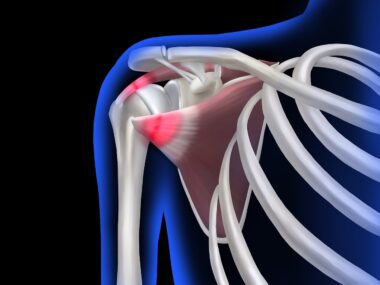
Calisthenics provides adaptable progressions for different injuries, making it suitable for rehabilitation across various conditions. Consider a common injury such as a shoulder injury; starting with minimal overhead reaching exercises is essential. Gradually advancing to wall-assisted exercises can foster greater range of motion. As strength improves, patients may progress to knee push-ups and finally to full push-ups. For lower body injuries, movements like glute bridges and wall sits can be implemented at the outset. Eventually, patients can move towards more challenging exercises such as pistol squats or single-leg raises. Always prioritize safety during progressions; this often means listening to the body and stopping when significant pain occurs. Pain may signify the need for modification or regression. Adapting exercises and focusing on proper techniques reduce injury risks while facilitating recovery. In cases of chronic issues, longer adaptation periods may be required to avoid strain or overexertion during rehabilitation. Utilize professional support to tailor these progressions to each individual’s unique situation. This individualized approach will enhance safety and ultimately lead to effective rehabilitation while benefiting the entire recovery process.
Integrating mobility and flexibility training with calisthenics in rehabilitation is vital for overall recovery. Patients often face stiffness, especially following periods of immobilization. Incorporating routines that emphasize flexibility facilitates the development of a well-rounded fitness regimen. Routine stretching exercises targeting affected areas help alleviate tension and enhance circulation. Dynamic stretches, such as arm circles and leg swings, can prepare muscles and joints before beginning strength training. Incorporating yoga or pilates-based movements into a calisthenics routine is also beneficial. Not only does this help patients regain lost mobility, but it reduces the likelihood of subsequent injuries as well. Enhancing flexibility also aids recovery by promoting blood flow and preventing stiffness. Attention to proper breath control often present in these practices further supports mental well-being during the rehabilitation period. Encourage patients to listen to their bodies actively; this focus improves awareness and helps them identify areas that require extra attention. Patients should always consult their rehabilitation professional for guidance on specific mobility exercises. By fostering a holistic approach through a combination of calisthenics, mobility, and flexibility training, individuals are more likely to achieve their rehabilitation goals.
Tracking Progress for Long-term Success
To achieve long-term success in rehabilitation through calisthenics, tracking progress plays a critical role. Regular assessments allow both patients and therapists to evaluate the effects of a training regimen effectively. Establishing benchmarks creates a system of accountability that encourages patients to persist despite challenges. Utilizing fitness apps or journals helps in documenting daily activities, including exercises, duration, and intensity levels. Furthermore, visuals such as photos or videos can highlight transformations over time, keeping patients motivated and inspired. Visual progress assessments will embody reminders of achievements and serve as motivation to continue striving for further improvements. Don’t overlook the importance of celebrating small victories! Small milestones significantly contribute to overall success in long-term rehabilitation journeys. Regular check-in meetings with a therapist can provide opportunities for discussing struggles, recent achievements, and modifications for improving effectiveness. These discussions can identify areas needing additional focus and facilitate a stronger team dynamic between the patient and therapist. Together, they foster a supportive environment that empowers patients and encourages them to maintain their commitment. Tracking progress and reinforcing relationships with therapeutic professionals are key elements for successful, long-term rehabilitation journeys.
Finally, the community surrounding calisthenics can bolster motivation and drive during recovery. Engaging with others who share similar rehabilitation goals fosters motivation and dedication and can create a friendly atmosphere where individuals lift each other. Online platforms and local workout groups offer opportunities to connect with like-minded individuals traversing similar paths. Sharing progress, challenges, and achievements can build accountability and accelerate recovery. Such connections often mitigate feelings of isolation that can accompany rehabilitation. Participating in local events or challenges encourages individuals to push their limits and embark on exciting new journeys, solidifying a sense of purpose. Witnessing the success of peers can inspire persistent dedication to individual rehabilitation goals. Additionally, seeking mentorship opportunities with experienced practitioners allows patients to gain insights from others and refine their techniques. Supportive communities act as powerful motivators both emotionally and physically; these communities reinforce commitment to rehabilitation. Finding enjoyment in the process is vital for long-term recuperation. Calisthenics provides the perfect platform for building connections while fostering personal growth. The benefits of collaborative efforts in a supportive environment strongly influence recovery outcomes and boost overall well-being.