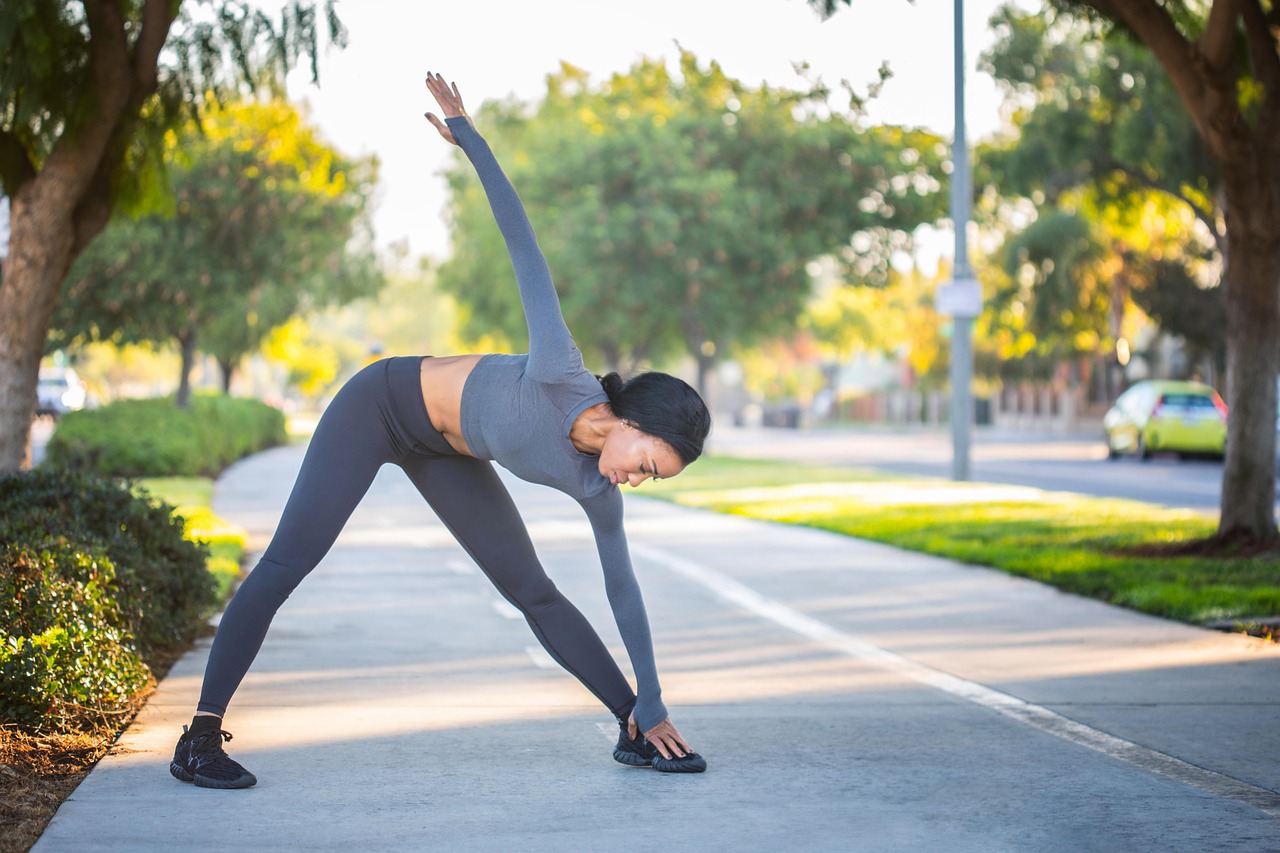

Yoga Poses to Alleviate Stress in Sports Professionals
For athletes, managing stress is a critical component of performance and overall well-being. Stress can hinder focus, reduce motivation, and impact physical health, ultimately affecting athletic performance. One effective way to manage and alleviate stress is through engaging in yoga. This ancient practice combines physical postures, breathing techniques, and meditation to create a holistic approach to stress reduction. Athletes can benefit from yoga by experiencing increased flexibility, improved concentration, and enhanced recovery. Specific yoga poses target stress relief, reducing anxiety and tension that can accumulate during rigorous training or competition. Incorporating yoga into an athlete’s routine helps in establishing a calming effect on the mind and body. In this article, we will explore various yoga poses that can help sports professionals achieve better mental clarity while managing stress effectively. This focus on mental health can lead to improved performance in the field or on the court. Let’s delve into the top yoga poses tailored for athletes to alleviate stress and enhance their overall training experience, allowing them to perform at their best while maintaining a balanced lifestyle.
Key Yoga Poses for Stress Relief
Several yoga poses are particularly beneficial for athletes looking to manage stress effectively. These poses are designed to promote relaxation and encourage mindfulness, which is essential in high-pressure environments. One such pose is Child’s Pose, where the athlete kneels and sits back on their heels, stretching their arms forward. This pose helps release tension in the back while also calming the nervous system. Another important pose is Downward-Facing Dog, which not only stretches the spine and legs but also encourages a peaceful and focused mindset. Corpse Pose is essential for relaxation; it allows athletes to focus on their breathing while lying down flat, facilitating a deep release of tension. Additionally, maintaining a Forward Bend can aid in reducing stress levels by creating a sense of surrender and tranquility. Applying these poses in combination can create a profound impact on an athlete’s mental clarity and overall emotional well-being. Therefore, embracing yoga as part of a sports training regimen can transform how athletes cope with pressure and stress in their competitive endeavors.
Practicing yoga regularly can significantly improve an athlete’s ability to manage stress. The magical infusion of physical, mental, and emotional benefits makes yoga an excellent companion for rigorous training schedules. Aligning breath with movement fosters flexibility and strength, essential attributes for any athlete. Techniques such as conscious breathing help reduce anxiety, fostering an inner peace that enhances focus. Moreover, the meditative aspect of yoga equips athletes to remain calm under pressure during competitions, which can lead to increased performance and enjoyment of their sport. An athlete who embraces yoga benefits not only physically but also mentally—learning to respond rather than react to stress-inducing situations. By reducing cortisol levels, yoga can mitigate the harmful effects of prolonged stress, such as illness or burnout. Beyond the mat, athletes can carry these mindfulness techniques into their daily lives. The mental fortitude gained through yoga empowers athletes to navigate the challenges they face, both in training and competition. Overall, consistent practice of yoga creates a robust foundation for holistic health, crucial for sustained peak performance in the demanding world of sports.
Benefits of Yoga for Athletes
Embracing yoga has profound benefits for athletes beyond mere stress relief. First, it offers significant improvement in flexibility, which can lead to enhanced performance and reduced risk of injury. Improved range of motion builds strength and balance, facilitating various athletic movements. Secondly, yoga encourages mental clarity, which is vital during competitions where focus and concentration can be compromised by anxiety. Furthermore, the integration of breathwork allows athletes to master their breath, creating a natural rhythm and calmness in high-stress environments. The practice of mindfulness through yoga promotes emotional resilience, making it easier for sports professionals to bounce back from losses or setbacks. Additionally, enhancing body awareness through yoga ensures that athletes listen to their bodies, leading to better training choices and recovery strategies. Learning relaxation techniques also empowers athletes to manage their time effectively between training and personal life, achieving equilibrium as they cope with pressures. The overall enhancement in mood and reduction in anxiety translates to a more enjoyable and effective training and performance regimen. Therefore, the integration of yoga into an athlete’s lifestyle is not just beneficial; it is essential for holistic growth and performance.
Transitioning to yoga largely depends on consistency and practice. For athletes interested in incorporating yoga into their stress management routine, starting with a few sessions each week is advisable. It’s essential to set a comfortable pace that aligns with individual fitness levels and goals. Finding a qualified instructor who understands athletic-specific needs is crucial to ensure safe and effective yoga practice. Online resources or local yoga studios often offer classes tailored for athletes, focusing on core strengthening, injury prevention, and enhanced recovery. Completing guided sessions not only aids in learning the poses but also provides the discipline needed to build a regular practice. As athletes grow comfortable with the basics, they can experiment with a variety of sequences that resonate well with their personal requirements. Making yoga a routine practice allows athletes to explore deeper aspects, such as meditation, which further enhances stress relief and emotional regulation. By carving out space for yourself on the mat, athletes reconceptualize their relationship with stress, moving from a reactive to a proactive stance. As they cultivate these skills, they empower themselves both in sports and life.
Implementing Yoga in Training Regimen
Incorporating yoga into an athlete’s training routine can significantly enhance their performance while simultaneously managing stress. Athletes can begin by allocating time for yoga sessions during their off days, which allows for recovery without hindering performance. For example, scheduling shorter sessions for stretching and relaxation post-training can amplify recovery and reduce soreness. Additionally, athletes might choose to include yoga within their warm-up routines to improve focus and flexibility before competitions. Various apps and online videos provide access to guided sessions specifically designed for athletes, making it convenient to practice yoga. Setting clear intentions for each session promotes a mindful approach, ensuring that athletes stay present throughout their practice. Athletes should also keep track of their progress, both in yoga and performance, to gauge the tangible benefits of their practice. Community yoga classes with fellow athletes can foster camaraderie, motivating individuals to keep pursuing this beneficial practice. Whether it’s relieving tension from rigorous workouts or preparing mentally for upcoming events, gathering holistic benefits from yoga enhances their sporting experience, providing significant advantages throughout their competitive journeys.
In conclusion, yoga serves as a powerful tool for stress management among sports professionals. By integrating yoga poses into their training regimens, athletes can significantly alleviate stress while simultaneously enjoying various physical and mental benefits. They can improve not only their performance but also their mental resilience, allowing them to cope effectively with the pressures of competitive sports. Importantly, the practice fosters better recovery practices, reducing the risk of injury that often comes with intensive training. The poses promote relaxation and reduce tension, making it easier for athletes to maintain balance in demanding schedules. As athletes embrace yoga, they become more attuned to their bodies and emotions, paving the way for greater self-awareness and overall health. This multifaceted approach contributes to a more enriched sporting experience, enabling athletes to thrive under pressure while enjoying their passion for sports. As a growing number of athletes recognize the impact of yoga on performance and mental well-being, its integration within sports cultures will only continue to gain traction, reinforcing the importance of holistic health in the competitive landscape.
Final Thoughts on Yoga for Athletes
The journey of integrating yoga into athletic training opens opportunities for personal growth and performance enhancement. Athletes who adopt yoga as part of their preparation often find themselves exhibiting increased agility, improved focus, and a heightened sense of awareness in their sporting endeavors. Furthermore, as they develop a deeper connection between their mind and body, the ability to harness emotional strength grows, allowing for improved mental strategies in competition. Participants in yoga practices develop a greater sense of community and support, encouraging a culture of shared understanding and resilience among athletes. It creates an environment where individuals feel empowered to address stress and emotional well-being openly. Through the continuous evolution of yoga within athletic training routines, emerging evidence and experiences showcase its considerable benefits. Therefore, practitioners are encouraged to explore the wide range of poses, breathing techniques, and meditation practices to create a routine that resonates with their unique needs. Ultimately, embracing yoga enriches the athletic experience, leading not only to improved performance but also to a fulfilling journey towards overall health and well-being.