
How Consistent Mobility Training Can Boost Your CrossFit PRs
CrossFit requires not only strength but also a high level of flexibility and mobility. Many athletes overlook the importance of these elements, leading to suboptimal performance and potential injuries. Incorporating regular mobility training can significantly enhance your overall CrossFit experience. By dedicating time to mobility, you can improve the range of motion in your joints, which will directly impact your lifts and workouts. Increased flexibility allows for better form during movements like squats or snatches, ensuring you maximize your potential. It also aids in recovery, reducing soreness and preventing tightness that can affect performance. With a consistent mobility routine, joints and muscles become more resilient, allowing athletes to push their limits. Rather than just focusing on strength training, athletes should integrate mobility work into their weekly schedule. Aim for at least three sessions per week, incorporating different techniques such as dynamic stretching or foam rolling. This balanced approach can lead to noticeable improvements in your CrossFit PRs, enabling you to achieve your fitness goals while minimizing the risk of injuries.
Understanding Mobility and Flexibility
To grasp the benefits of mobility training, it’s essential to understand the difference between mobility and flexibility. Mobility refers to the ability of your joints to move freely through their full range of motion, whereas flexibility mainly pertains to the length of your muscles and tendons. In CrossFit, optimal mobility ensures that you’re able to perform movements efficiently, while flexibility can contribute to overall athleticism. Improving mobility can result in better posture and body mechanics, which are crucial during intense workouts. When your joints move correctly, the body employs its strength more effectively, translating into better performance across various lifts and tasks. Furthermore, developing mobility enhances your athletic longevity, allowing you to continue participating in CrossFit without the setbacks of injuries or limits in movement. Athletes often underestimate the power of basic mobility exercises, like hip openers or shoulder dislocates. These practices, though simple, can lead to significant improvements in your workouts. By prioritizing mobility alongside strength, you create a well-rounded fitness regimen that not only increases performance but also keeps your body injury-free.
Implementing a mobility routine doesn’t have to be complex. Start by incorporating a few key exercises into your warm-up or cool-down sessions. Simple movements like lunges, leg swings, and cat-cow stretches can significantly enhance your flexibility and mobility if done regularly. These exercises can be adapted for individual needs and fitness levels, making them accessible to everyone. For instance, if you have tight hips, focus on hip-opening stretches that target these areas. Consistency is more important than the complexity of your routine. It’s beneficial to set specific goals for each mobility session. Focus on particular body parts that might affect your performance in CrossFit. Make sure your sessions are engaging and incorporate a mix of static and dynamic stretches. To keep up motivation, consider using videos or apps that provide guidance for mobility exercises. Additionally, working in pairs or groups can provide support and accountability. Ultimately, the key to effective mobility training is understanding your body’s limitations and patiently working to expand your capabilities without pushing past safe boundaries.
When to Focus on Mobility Training
The best times to incorporate mobility training are during your warm-up, cool-down, and rest days. Before a workout, dynamic stretches can prepare your muscles and joints for the demands ahead. Focusing on mobility during this time establishes a solid foundation, helping to prevent injuries during performance-based movements. After working out, spend time on static stretching; this helps alleviate muscle tightness and promotes overall recovery. Taking advantage of your rest days is crucial—actively engaging in mobility routines can keep your body agile without high intensity. Integrating yoga or pilates may also serve as excellent supplementary practices that enhance mobility while providing an active recovery option. Furthermore, listen to your body and adjust accordingly. If you notice tight areas impacting your work, allocate extra time to those parts specifically. Building awareness of your body’s signals will guide your mobility training schedules, ensuring optimal growth and prevention of injuries. Consistency is a game changer; remember that mobility factors in performance just as much as strength training does. Commit to a well-structured mobility plan tailored to your individual needs.
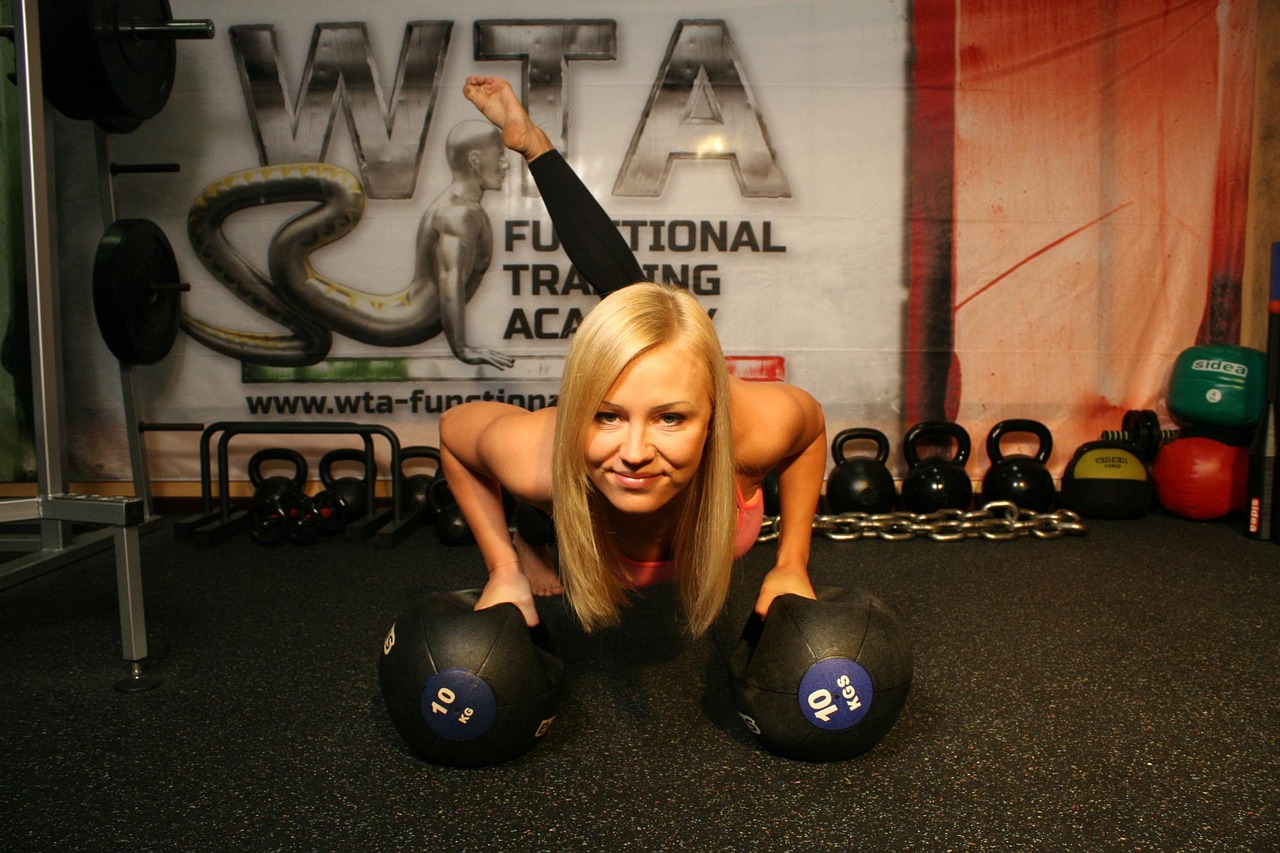
Additionally, consider using a variety of tools to enhance your mobility training. Items such as foam rollers, resistance bands, or mobility balls can assist in targeted muscle release and elongation. Incorporating these tools into your routine adds diversity and can help address specific tight areas or imbalances effectively. Ensure that you warm up properly before using these tools to maximize their benefits; a brief cardio session can help increase blood flow. Begin your work with general movements before bringing in the specific tools for targeted mobility. Another option is to participate in mobility classes available at your CrossFit gym or community centre. These classes often provide professional guidance, helping you learn about various techniques, allowing for modifications based on individual limitations. Connecting with a certified coach or experienced trainer can also be advantageous in crafting a personalized mobility plan. With time, commitment, and the right approach, you will notice improvements in your overall performance. These adjustments can help lead to enhanced flexibility, thus ultimately allowing for greater strength gains.
The Link Between Mobility and Performance
Understanding the link between mobility and performance can motivate you to sustain an effective routine. Improved mobility directly correlates with injury prevention, leading to more consistent training sessions. When your body is able to perform at its best without pain or restrictions, achieving personal records becomes a more attainable goal. Flexible joints allow for better mechanics when lifting weights or executing complex movements, translating into stronger performance overall. Athletes dedicated to mobility training will often find that they recover faster, experience less soreness, and face fewer setbacks from injuries. A strong mobility routine can lead to increased stability during workouts, allowing heavier lifts and more complex movements. This stability is essential for developing explosive power, especially in CrossFit, where high intensity is paramount. By implementing exercises that challenge mobility, you will noticeably enhance your joint health while improving the quality of your movement patterns. Over time, it becomes clear that investing in mobility yields significant dividends in performance. Make this a priority in your training to see the benefits reflect in your times and weights lifted.
Finally, the mental aspect of maintaining a consistent mobility regimen should not be overlooked. Mental resilience often parallels physical resilience and can significantly impact performance. As you start to witness progress in your flexibility and functionality, your confidence will grow. With each incremental improvement, you’ll feel more empowered to tackle your CrossFit goals. Enlist the help of a workout partner or join community classes to share experiences and challenges, which can provide a support network that encourages consistency. Set measurable goals to reach milestones that keep you engaged and excited about your progress. Tracking your mobility journey enhances motivation and allows you to visualize your development over time. Consider documenting your mobility workouts in a journal to celebrate achievements, whether they’re big or small. This reflection reinforces the connection between your hard work and results. Establishing a positive relationship with mobility makes it a part of your fitness lifestyle rather than just a supplementary task. When you truly value this component of training, it becomes easier to make it a priority, leading you to unlock your true potential in CrossFit.