
How Regular Yoga Practice Can Improve Proprioception
Yoga, a practice with deep roots in ancient tradition, emphasizes body awareness, strength, and balance. One of the key benefits of regular yoga practice is its positive influence on proprioception. Proprioception is the body’s ability to sense its position, movement, and equilibrium. This vital sense helps in coordination and balance during physical activities. As practitioners engage in various yoga poses, they learn to listen to their bodies and improve their sensory feedback. This self-awareness cultivates better control over movement, reducing the risk of injury. Moreover, yoga encourages the alignment of the body, enhancing a practitioner’s awareness of limb positioning. Each pose offers unique challenges that enhance stability and proprioceptive skills. Practicing standing poses such as Tree Pose or Warrior Poses requires individuals to engage their core and stabilize their limbs. Progressing in these poses builds neuronal pathways that enhance proprioceptive acuity. Consistent practice thus contributes to improved balance, coordination, and overall body awareness, promoting a healthy lifestyle. Incorporating yoga into a fitness routine benefits individuals across all ages, making it an essential element for enhancing proprioceptive skills effectively.
The Role of Balance in Everyday Life
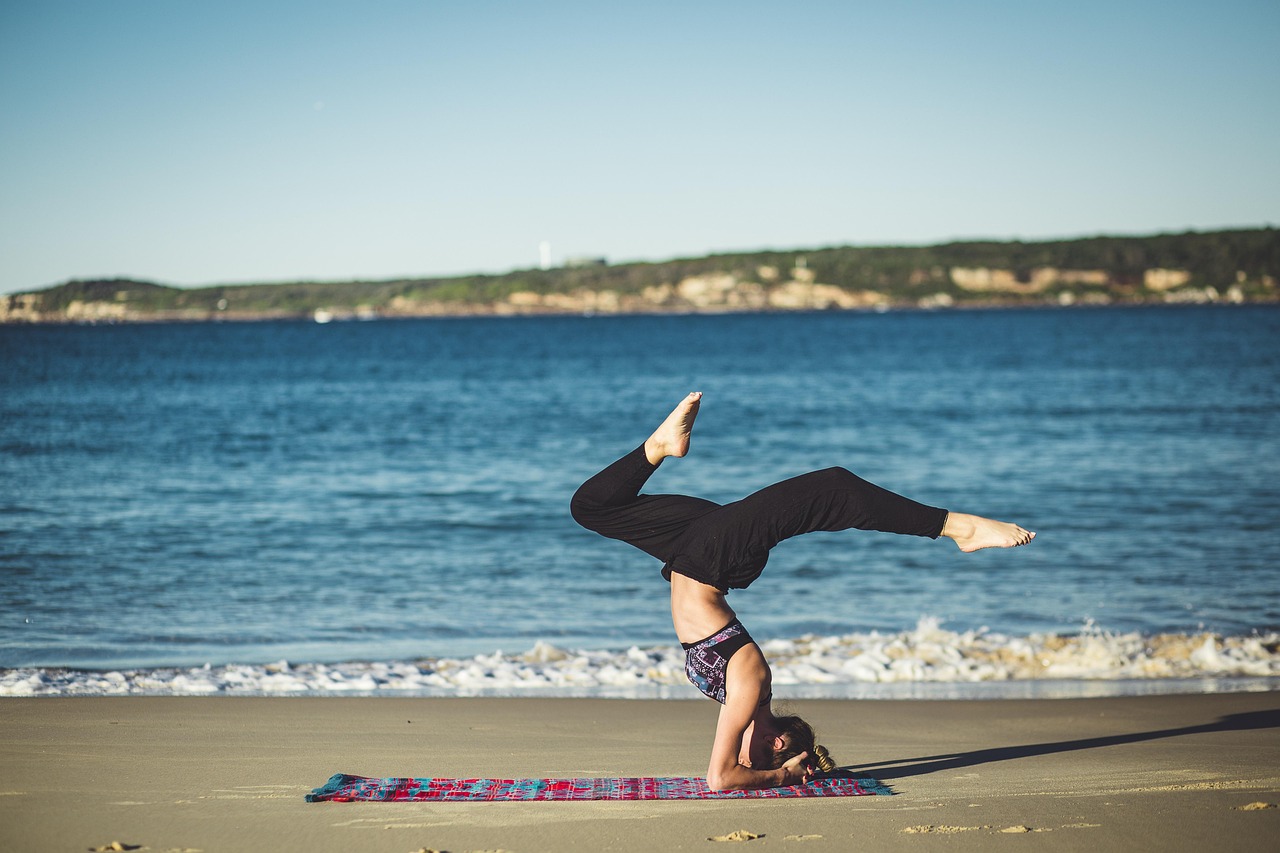
Balance plays a critical role in our daily activities, from walking to climbing stairs. Good balance not only helps us move efficiently but also reduces the risk of falls and injuries, especially as we age. Engaging in yoga is an excellent way to develop balance skills, as it advocates mindful movement and centeredness. Through various asanas, or postures, practitioners can enhance their stability, which translates to other physical activities. Unlike many forms of exercise, yoga emphasizes a strong mind-body connection that heightens awareness. As you refine your balance in yoga, you’ll find improvements in your agility and coordination during regular tasks. This is particularly beneficial for athletes and those engaged in sports, where precise movements rely greatly on balance. Enhanced proprioception leads to better performance in various physical domains, including strength training and running. Furthermore, the meditative aspect of yoga fosters concentration, allowing for finer motor skill development. The mindfulness cultivated during practice encourages attentiveness to body signals, vital for maintaining balance. Thus, yoga not only enriches physical capabilities but also contributes to mental sharpness and body awareness in daily life.
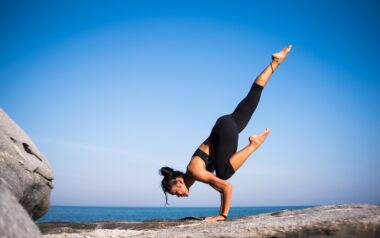
Improving proprioception through yoga requires consistent practice and engagement. Each yoga session can gradually build strength in stabilizing muscles. The incorporation of challenging poses allows practitioners to push their limits gently. For example, balancing poses such as the Half Moon Pose or Crow Pose require intense focus and body control. Practitioners learn to position their bodies thoughtfully, understanding where to shift weight and how to maintain equilibrium. Additionally, breathing techniques learned in yoga, such as Ujjayi breath, enhance stability. Focusing on breath helps center one’s thoughts and reminds individuals to stay present in their bodies. With each pose held, proprioceptive skills enhance, fostering deeper muscle control and coordination. As stability improves over time, practitioners may notice increased confidence in physical activities. This newfound assurance can ultimately extend to everyday tasks, making these actions more fluid and secure. Every individual has the potential to enhance their proprioception through regular practice. As you develop these skills in yoga, you’re not only improving physical fitness but also building a mindful approach to movement, further enriching your overall well-being.
Yoga poses like the Plank Pose and Downward Dog are essential for enhancing upper body strength and coordination. Both positions demand a significant engagement of core muscles, which are critical connectors between the lower and upper body. Building strength in these areas not only stabilizes the pelvic region but also supports balance as one transitions between poses. Each pose challenges your body differently, prompting it to adapt and refine its proprioceptive capabilities. Furthermore, holding challenging aspects of these poses cultivates mental focus, which is equally important in maintaining balance. As individuals practice, they may find greater ease in performing everyday tasks like lifting, carrying, or even standing for long periods. Improved proprioception and balance contribute directly to injury prevention by enabling the body to react adequately when losing stability. Challenges faced during yoga classes prepare practitioners for real-life situations that may risk falls or mishaps. Opting to include balance-focused yoga routines in your workout ensures muscle memory is developed, solidifying body awareness and control. The blend of strength, flexibility, and mental engagement showcases how yoga profoundly impacts balance and proprioception development.
Incorporating yoga into a fitness regime yields numerous benefits, especially for older adults. As aging often leads to decreased proprioception, yoga serves as a tool for revitalizing balance skills. Many yoga classes cater to seniors, offering modified poses designed to enhance stability. Gentle movements paired with chair yoga provide both safety and effectiveness, nurturing balance. Participants are guided to discover their limits while gaining confidence through supported poses. Emphasis is placed on gradual progression, ensuring seniors don’t feel overwhelmed. The community aspect of group yoga fosters social connections, another vital element of well-being in older adults. Social support encourages consistency in practice, leading to long-term benefits in balance and coordination. Additionally, improved proprioception can lead to reduced fear of falling, allowing seniors to engage in daily activities with greater vigor. The holistic approach of yoga addresses physical, mental, and emotional dimensions, which can significantly elevate quality of life. With consistent practice, yoga becomes a valuable resource for enhancing balance. This is especially crucial for aging populations seeking to maintain independence and mobility over time. Integrating yoga into their weekly schedule promotes longevity and empowerment through enhanced balance and coordination.
The meditative qualities of yoga also contribute to proprioceptive enhancement, offering mental benefits alongside physical advantages. Meditation encourages mindfulness, fostering better awareness of body mechanics and sensations. Combining meditation with movement amplifies the effects of both practices, leading to improved bodily awareness. As practitioners learn to tune into their movements, they also recognize areas that require attention and recalibration. This awareness can translate to greater attention to posture and alignment, both essential for preventing injuries. When body awareness improves, balance increases as well, reaffirming the strong connection between yoga and proprioception. By integrating breath and focus into each transition, yoga promotes synchronization within the body. This integration allows individual body segments to work coherently, enhancing overall physical coordination. The mind’s ability to remain aware of body positioning plays a critical role in executing movements flawlessly. Practicing yoga’s forms also cultivates inner stability, which is reflected in physical adaptability. As you explore various styles, remember that each practice can yield unique benefits attuned to balance. This connection invites practitioners to delve deeply into yoga, understanding it as a comprehensive path to both physical and mental improvement.
Ultimately, the journey of enhancing proprioception through yoga is unique for everyone. There is no one-size-fits-all approach; thus, personalizing practice is encouraged. Some may find more strength in physical poses, while others might resonate with meditative elements. Hence, discovering one’s optimal style is integral to the practice. From alignment-focused Hatha yoga to dynamic Vinyasa flows, options are abundant. Experimenting with different types of yoga can expose practitioners to diverse methods of enhancing balance. Regular sessions lead to noticeable improvements, but patience and persistence remain critical. Success will not appear overnight; rather, it’s a gradual development. Setting achievable goals ensures that motivation remains high, guiding individuals gently towards progress. Also, nourishing the body through a balanced diet can complement yoga practices. This holistic approach ensures that both body and mind are prepared for growth and change. Furthermore, engaging in community classes or workshops can enhance learning. This interaction fosters relationships and support among fellow practitioners. Together, they share experiences and milestones, creating a spirit of motivation. Overall, a commitment to practicing yoga fosters deeper levels of balance and proprioception, enriching life experiences significantly.
In summary, the correlation between yoga practice and proprioception enhancement is clear and profound. Each pose requires conscious movement, fostering body awareness that enhances balance, coordination, and stability. Yoga uniquely integrates physical and mental dimensions, making it a holistic tool for improving proprioceptive skills. Studies highlight how regular yoga participation can decrease the risk of falls and enhance functional mobility. As individuals practice standing and balancing postures, they develop muscle tone and control, improving reflexes and stability over time. These benefits extend beyond the yoga mat; they permeate daily life, enhancing activities such as walking, climbing stairs, and playing sports. Anyone, regardless of age or physical ability, can benefit from incorporating yoga into their routine. Practitioners are encouraged to seek guidance from qualified instructors to ensure safety and effectiveness in their practice. This education helps individuals to find specific poses suited to their needs, enabling lasting improvement in proprioception skills. Practicing yoga regularly fosters a connection to one’s body that is invaluable. Balancing the physical, mental, and emotional aspects creates a harmonious approach to fitness. Ultimately, immersing oneself in yoga leads to greater awareness of balance and proprioception, significantly enriching overall wellness.