
Korfball in Schools: Benefits and Implementation Strategies
Korfball is an inclusive, mixed-gender sport that promotes teamwork and cooperation among students. Integrating this unique sport into school programs can yield numerous benefits for children’s physical and social development. First and foremost, it encourages children to engage in regular physical activity, fostering a healthy lifestyle. Unlike many traditional sports, korfball emphasizes collaboration over competition, making it ideal for developing social skills and promoting respect among participants. Furthermore, this sport can be played by boys and girls equally, breaking down gender barriers and helping to form friendships across different backgrounds. By incorporating korfball into the curriculum, schools can create a more inclusive environment where all students feel valued and supported. This is especially important in fostering a sense of belonging, which enhances overall student well-being. Additionally, the physical demands of korfball can improve agility, coordination, and cardiovascular health among participants. The game’s mixed-gender format also teaches important lessons about teamwork, communication, and strategy. Overall, the integration of korfball into schools can foster a holistic development focus, positively impacting students’ mental and physical health.
Strategies for Implementation in Schools
Implementing korfball in schools requires a comprehensive approach that involves training teachers and creating engaging lesson plans. First, educators must receive proper training to understand the game’s rules and teaching methodologies. This can be achieved through workshops conducted by certified korfball organizations or professional coaches. Furthermore, developing a curriculum that aligns with students’ physical education standards will provide structure and clarity while ensuring that the game is taught effectively. Schools should consider organizing korfball tournaments or friendly matches to motivate students and enhance their competitive spirit. Additionally, fostering partnerships with local korfball clubs can facilitate student exposure to the sport beyond the classroom setting. By collaborating with community organizations, schools can also benefit from specialized training sessions and expert insights. It is equally important to promote korfball in schools through marketing strategies such as posters, flyers, and informational sessions for parents. These initiatives will raise awareness and encourage student participation in the sport. Ultimately, a well-planned implementation strategy will ensure that korfball provides an enjoyable and educational experience for students.
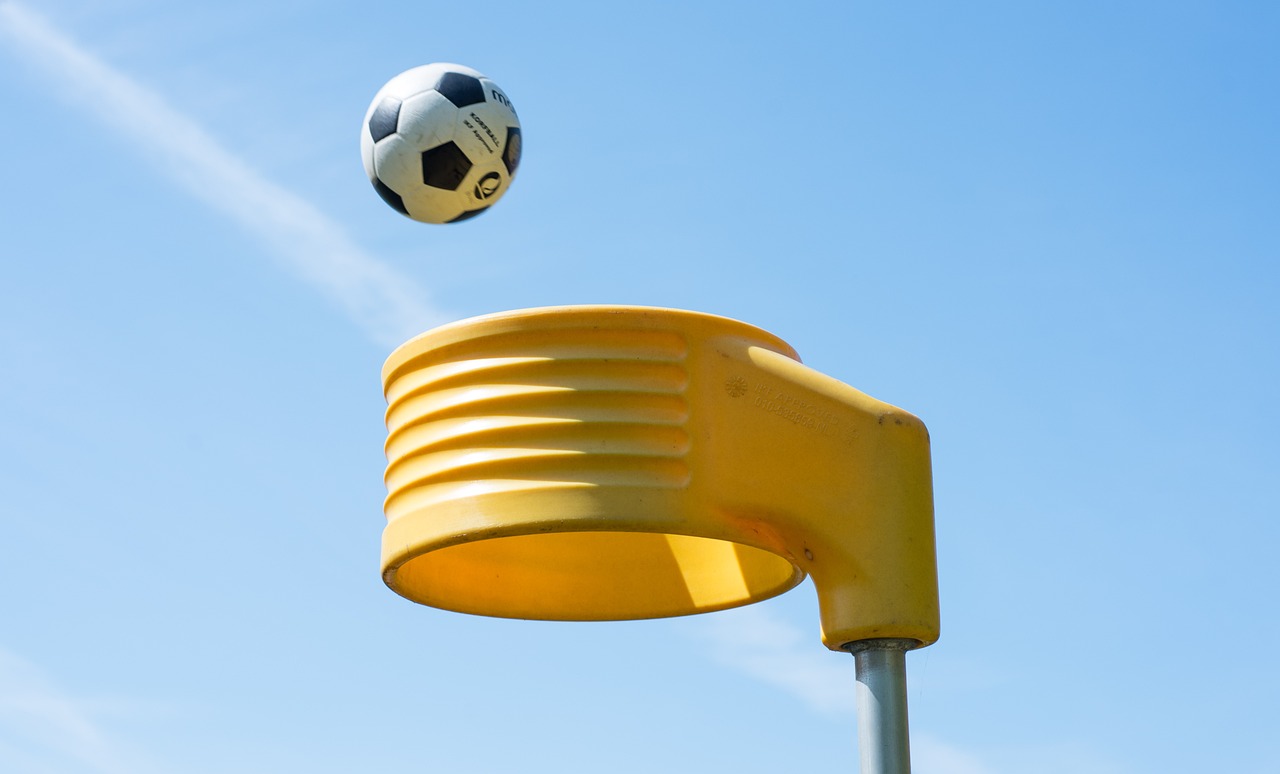
Moreover, addressing logistical concerns such as equipment and facility availability is critical for successful korfball implementation. Schools should invest in the essential equipment, including korfball posts, balls, and uniforms that meet safety standards. This ensures students can engage in the sport effectively without compromising their safety. Instructors should also consider the best locations for korfball sessions, whether indoors or outdoors, depending on weather conditions. Additionally, schools can collaborate with local sports centers to access their facilities for tournaments and practice sessions. Scheduling korfball activities within the school’s existing physical education curriculum can enhance participation rates and ensure consistent exposure. Moreover, offering after-school korfball clubs can provide interested students further opportunities to practice and improve their skills. To maximize involvement, try adjusting session times to accommodate diverse schedules. Engaging parents in the process is also crucial, so they can support their children’s participation in the sport and potentially volunteer in coaching roles. This holistic approach ensures that korfball thrives in the school environment, fostering lasting enthusiasm among students.
Benefits of Team Sports on Children’s Development
Team sports, including korfball, are instrumental in promoting children’s physical, emotional, and social development. Engaging in team sports cultivates critical life skills such as leadership, communication, and teamwork, which are invaluable in educational settings and beyond. Participation in such activities can improve students’ self-esteem and give them a sense of belonging and camaraderie among teammates. Additionally, team sports help develop discipline, resilience, and time management skills as students learn to balance their academic and athletic commitments. Physical activity through korfball not only enhances physical fitness but also contributes to better mental health outcomes. Research has shown that children involved in regular exercise exhibit decreased levels of anxiety and depression, resulting in more significant overall well-being. The collaborative nature of korfball helps children learn to respect their peers and value their contributions, emphasizing the importance of cooperation in achieving common goals. Importantly, these experiences can lay the groundwork for a lifelong love of physical activity, encouraging healthy habits into adulthood. Consequently, adopting korfball into school programs contributes positively to students, creating knowledgeable and skilled individuals.
Furthermore, the adaptability of korfball makes it an ideal fit for diverse youth populations. Schools can easily modify the game’s rules to suit varying skill levels, ensuring that every child can participate and enjoy playing. This adaptability allows korfball to serve as an excellent entry point for students who may not typically engage in traditional sports. By incorporating fundamental multidimensional movement skills, children improve their coordination and overall athletic ability before advancing to competitive levels as they gain confidence. Moreover, schools can use korfball to teach essential values such as sportsmanship, perseverance, and inclusivity. Emphasizing these positive aspects can yield a more unified school culture and promote a spirit of collaboration among students. Additionally, organizing multi-school events allows kids to meet peers from different backgrounds, creating a positive networking opportunity for lifelong friendships. This inclusivity encourages personal growth as students develop empathy and understanding towards one another. Ultimately, implementing korfball in schools introduces profound teaching experiences and relationships, with far-reaching impacts that enhance individual development and overall community cohesion.
Challenges and Solutions to Korfball Implementation
Despite its many advantages, implementing korfball in schools may face specific challenges that need careful consideration. One primary concern might be a lack of awareness about the sport’s rules, techniques, and benefits among educators, parents, and students. To counteract this issue, practical workshops emphasizing korfball development should be organized as part of professional development training for education staff. Additionally, providing informational sessions for parents can dissuade misconceptions about the sport and encourage their children to engage. Another potential hurdle could be the availability of proper equipment and facilities within the school environment. Schools may consider pooling resources with neighboring institutions to ensure all students can access the necessary gear needed for playing korfball. Moreover, integrating korfball practice into existing physical education schedules may help to garner more participation. Adequate support from local sports clubs can also assist schools in overcoming resource limitations and ensure that the korfball experience remains enriching. By addressing these challenges effectively, schools can achieve successful, lasting korfball programs that enhance students’ well-being.
Moreover, creating a fun and engaging atmosphere for korfball activities within schools is vital for sustaining student interest. Recognizing that children are more likely to participate in sports they find enjoyable; coaches and instructors should focus on implementing games and activities that foster enthusiasm while developing skills. Establishing a reward system to recognize and celebrate participants’ efforts and achievements can contribute to increased motivation. Schools can incorporate various drills, mini-tournaments, and team-building exercises to keep the atmosphere fresh and encouraging. This could include incorporating technology, such as video analysis or gamified learning, which may engage tech-savvy students and provide additional learning resources. Moreover, inviting guest speakers or professional korfball players to share their experiences can inspire students and offer valuable role models. Continuous feedback from students regarding their experiences is critical for ensuring that the program meets their expectations. Recognizing achievements, progress, and creating a sense of belonging within korfball will cultivate a sustainable and successful program in schools. Investing time and effort in making korfball an enjoyable activity will lead to countless benefits for students in their holistic development.