
Pairing Functional Training with Cardio in the Gym
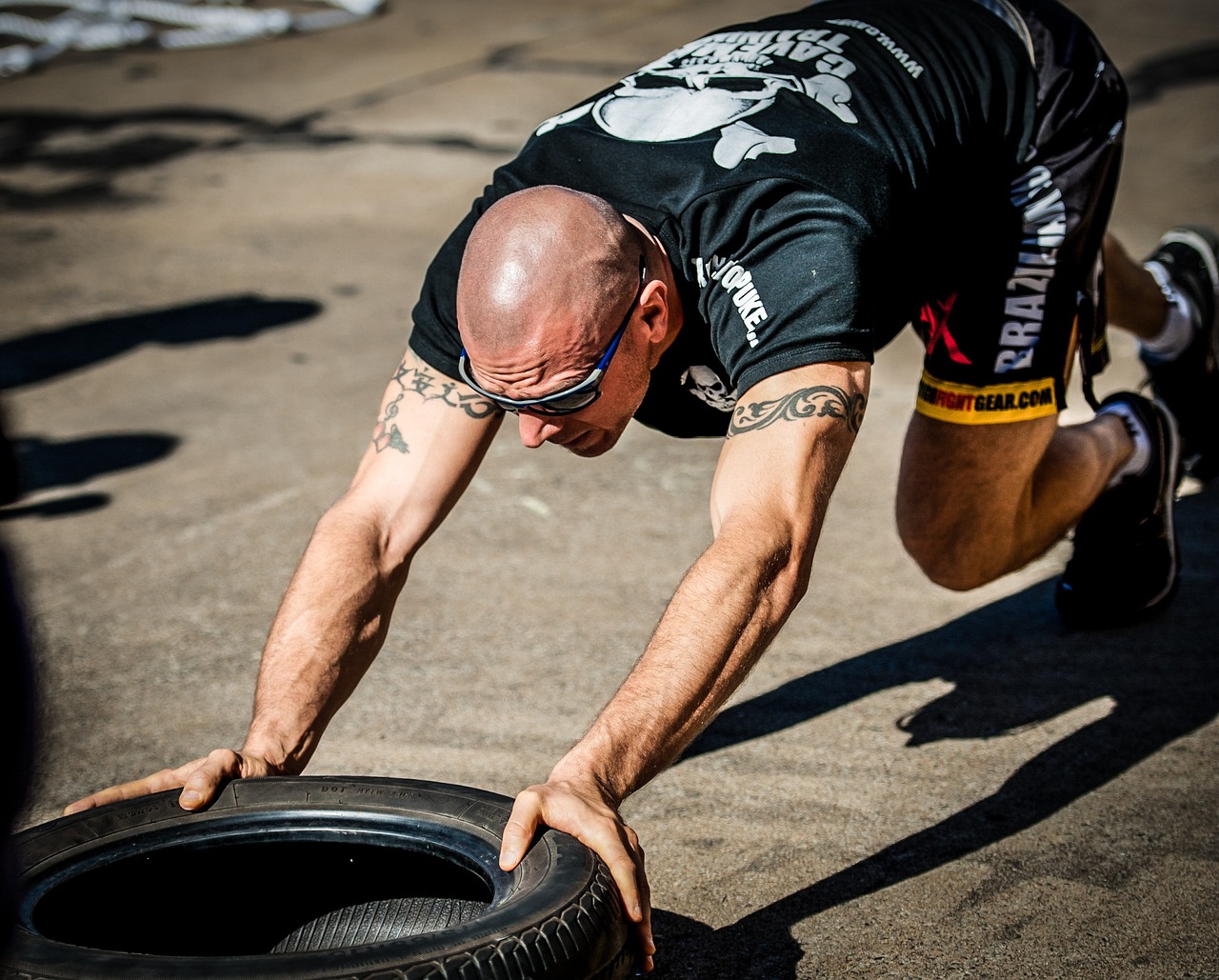
Pairing functional training with cardio workouts in the gym can be a game-changer for anyone seeking to improve overall fitness. This combination not only builds strength but also enhances endurance levels significantly. Functional training focuses on exercises that mimic real-life movements, which can help improve daily activities and sports performance. Integrating cardio into your regime adds a different dimension, pushing the cardiovascular system to its limits. As you engage in functional exercises, you can incorporate cardio components such as high-intensity interval training (HIIT) or circuit training. These methods are effective in burning calories while simultaneously increasing muscle strength. The key is to blend these workouts efficiently, ensuring you’re maximizing results from both ends. Regularly assessing your goals can help determine the optimal ratio of functional training to cardio. Implementing specific routines that alternate between both modalities can also prove beneficial. Notably, focusing on proper form and technique allows you to achieve sustained progress while minimizing injury risk. Keep in mind that nutritional support is equally vital when engaging in intense physical activities, ensuring your body has the necessary fuel to perform and recover effectively.
Functional training exercises often include kettlebell swings, squat-to-press, and sled pushes, promoting core stability and joint mobility. These movements can enhance not only strength but also flexibility, therefore contributing to a well-rounded fitness regimen. When cardio is mixed with these exercises, it aids in cardiovascular conditioning, allowing for better oxygen delivery during workouts. Moreover, pairing these workouts can help develop muscular endurance, which is crucial for athletes and active individuals alike. Studies suggest that incorporating varied modalities leads to improved performance outcomes and reduced workout fatigue. When setting up your training sessions, consider the duration and intensity of each workout to effectively plan your routine. You might also explore shifting between moderate and high-intensity cardio sessions for optimal fat burning. Exercises such as rowing, cycling, or running can be seamlessly integrated into functional training circuits. Additionally, working with a certified trainer can provide life-changing insights and personalized advice tailored to your specific fitness level and goals. They can devise a comprehensive program that challenges you while ensuring your health and safety are prioritized throughout your fitness journey.
Benefits of Combining Functional Training with Cardio
One of the advantages of integrating functional training with cardio is improved overall body coordination. Enhanced coordination contributes to better athletic performance and energy efficiency during different physical activities. Furthermore, this combination aids in developing strength in various muscle groups, encouraging balanced muscle growth. Transitioning through functional exercises while maintaining cardio efforts also supports enhanced metabolic rates. Hence, this synergy pushes your body to burn calories effectively, even post-exercise. Another significant benefit is that engaging in these diverse workouts can make the training experience more enjoyable. By avoiding monotony in the gym, you’re more likely to stay motivated and consistent in your efforts. Diverse workouts appeal to different fitness levels while catering to individual preferences and interests. Remember to track your progress periodically through fitness assessments, as it keeps you accountable and ensures you’re advancing toward your goals. Consider document all your workouts to recognize areas needing improvement, allowing for better planning and adjustment. Additionally, surround yourself with a supportive community that encourages you to push through challenges, enabling you to establish meaningful connections while pursuing fitness objectives together.
When establishing a functional training regimen, it is crucial to consider incorporating various exercises targeting multiple areas of the body. For instance, prioritizing lower-body workouts along with upper-body movements creates a balanced approach. Utilizing compound movements can amplify results in less time. Moreover, including body-weight exercises alongside weighted options can enhance your muscular resilience while increasing overall strength. As you diversify your workouts, ensure you include cardio activities that align with your fitness objectives. This alignment leads to optimal training effectiveness and makes each session purposeful. Mixing in floor exercises, bands, and stability balls can be beneficial as well. The additional equipment often aids in increasing intensity without altering technique. Understanding how your body responds to these exercises will provide insights into your unique workout needs. Additionally, hydration, nutrition, and rest should not be overlooked as fundamental components of any rigorous training plan. Quenching your thirst and nourishing your body with necessary nutrients helps support muscle recovery and energy replenishment. Listening to your body and incorporating adequate rest days into your routine is vital for sustained progress and preventing burnout or injury.
Creating an Effective Workout Plan
Designing an effective workout plan that integrates functional training with cardio requires careful consideration and creativity. Start by identifying your fitness goals, whether it’s weight loss, muscle gain, or enhancing overall health. Consider incorporating both strength and cardio components into each workout session. Setting a schedule helps in maintaining consistency; aim for 2-3 sessions each week focused on functional exercises and cardio intervals. Structure your workout into warm-up, main activity, and cool-down phases to ensure your body transitions effectively through varied intensities. During main sessions, enlist a combination of multi-joint and isolation exercises to engage a broad spectrum of muscle groups. Furthermore, alternating between different cardio forms—like running, cycling, or rowing—keeps the workouts fresh and challenging. As you progress, increasing the duration or intensity can help stimulate improvements further. Make sure to adjust your plan as necessary, depending on how your body adapts over time. Utilize fitness apps or journaling to monitor workouts and gauge progress accurately. Incorporating these strategies also enhances accountability, ensuring that you’re constantly pushing towards achieving desired results in both strength and cardiovascular fitness.
Your mindset plays a profound role when it comes to achieving success in functional training and cardio workouts. Cultivating a positive outlook can significantly enhance your workout experience, leading to greater perseverance and resilience. Setting realistic milestones helps set the stage for gradual progress, promoting motivation and satisfaction throughout your journey. Additionally, finding a workout buddy can prove beneficial; not only does this provide companionship but also encourages accountability. Attending classes together can elevate the enjoyment factor while exploring various workout formats. Ensure to celebrate small victories along the way, as this fosters positive reinforcement, making consistent actions easier. Further, try not to get discouraged by setbacks—acknowledge them as opportunities for growth and learning. Every journey comes with its ups and downs, and perseverance matters. It’s essential to remain adaptable in your approach while focusing on maintaining a balanced lifestyle beyond workouts. Using fun music playlists during workouts can also elevate your mood and energy levels, creating a more enjoyable atmosphere. All these tactics contribute significantly to sustaining long-term dedication towards pairing functional training and cardio for optimum fitness outcomes.
Conclusion: Embracing a Comprehensive Approach
In conclusion, embracing a comprehensive approach to fitness by pairing functional training with cardio will yield various health benefits. This synergy fosters improved strength, endurance, coordination, and mental wellness—essential components of achieving fitness excellence. Always remember to listen to your body and adjust your workouts accordingly, as proper recovery times are crucial to minimizing injury risks. Engaging in varied exercises will lead to sustainable enjoyment, making it easier to stick with your fitness journey. Remember, the road to fitness is not a uniform path; it is a unique experience influenced by personal preferences, goals, and lifestyles. Keep experimenting with new methods to discover what works best for you through exploring different functional exercises and cardio modalities. Surrounding yourself with a supportive community can prolong motivation and keep your spirit high. Finally, stay informed about emerging workout trends and guidelines to maintain effectiveness and relevance in your routine. Prioritizing a holistic approach while respecting your body lays the groundwork for long-term success in both mind and body wellness. By doing so, you empower yourself to pursue your fitness aspirations confidently and sustainably throughout your life.
Functional training paired with cardio workouts establishes an engaging, sustainable fitness approach. Actively participating in these workouts contributes to better physical health and a more energetic lifestyle.