
Post-Travel Recovery Workouts to Rejuvenate Your Body
After an exciting trip, your body may feel tired and strained from extended hours of sitting or walking. It’s crucial to listen to your body’s signals and prioritize recovery. Incorporating post-travel workouts can significantly enhance your rejuvenation process. Start by engaging in light stretching to release tight muscles. Stretching not only increases flexibility but also improves blood circulation. Consider implementing dynamic stretches that target all major muscle groups. Furthermore, focus on hydration to replenish fluids lost during travel. Muscle recovery also depends on proper nutrition, so ensure that you consume a balanced diet rich in protein. Try to include foods that contain anti-inflammatory properties, like turmeric and ginger. These can help reduce swelling and soreness. It is essential to avoid intense workouts immediately after travel. Instead, aim for low-impact exercises such as yoga or Pilates. These workouts provide gentle movement, allowing you to reconnect with your body, promoting relaxation and peace. You deserve this time to recover after your journey, so take it slow and appreciate the process.
The Benefits of Stretching Post-Travel
Stretching plays a vital role in recovery after your travels. The long hours of travel, whether by air or road, often lead to tightness and stiffness in various muscle groups. Therefore, a well-rounded stretching routine can help alleviate aches and improve blood flow. Focus on both static and dynamic stretches to address different needs. Static stretches focus on holding a position to elongate specific muscles, while dynamic stretches involve movement to warm up the body. Include stretches that target the hips, hamstrings, and lower back, as these areas often bear the brunt of travel-related tension. Incorporating stretches into your daily routine encourages better posture, which is beneficial for overall health. To maximize your recovery, create a regular schedule that incorporates these stretches. Sharing your recovery journey with others can provide motivation. Try inviting friends to join your stretching routine, making it a fun group activity. Keep a journal to track your progress and any improvements in flexibility you encounter. Getting back into a healthy routine doesn’t have to be boring. Mix and match your stretching exercises for variety, and develop a habit that makes you feel good.
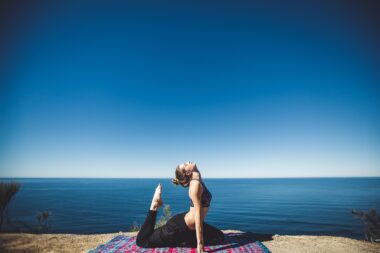
In addition to stretching, implementing yoga as your post-travel workout can provide tremendous benefits. Yoga focuses on the breath and physical postures, allowing for an effective way to relax your mind and body. Various online platforms offer accessible yoga classes, making it easy to follow along from the comfort of your home. Try gentle restorative yoga classes that emphasize relaxation. These types of sessions help ease tension and stress accumulated during travel. Poses such as Child’s Pose and Downward Facing Dog are perfect for stretching out tight areas. Additionally, practicing yoga can help improve your overall mental clarity and emotional well-being. Consistency is key, so aim to practice yoga multiple times a week to reap the most benefits. You may even find a local class that fits your schedule, allowing social interaction and additional motivation. Don’t hesitate to explore different styles of yoga that suit your preferences. Whether you choose Hatha, Vinyasa, or Yin Yoga, you’ll find a practice that resonates. Furthermore, yoga encourages mindfulness, guiding you to connect with your body and breath in a deep and meaningful way.
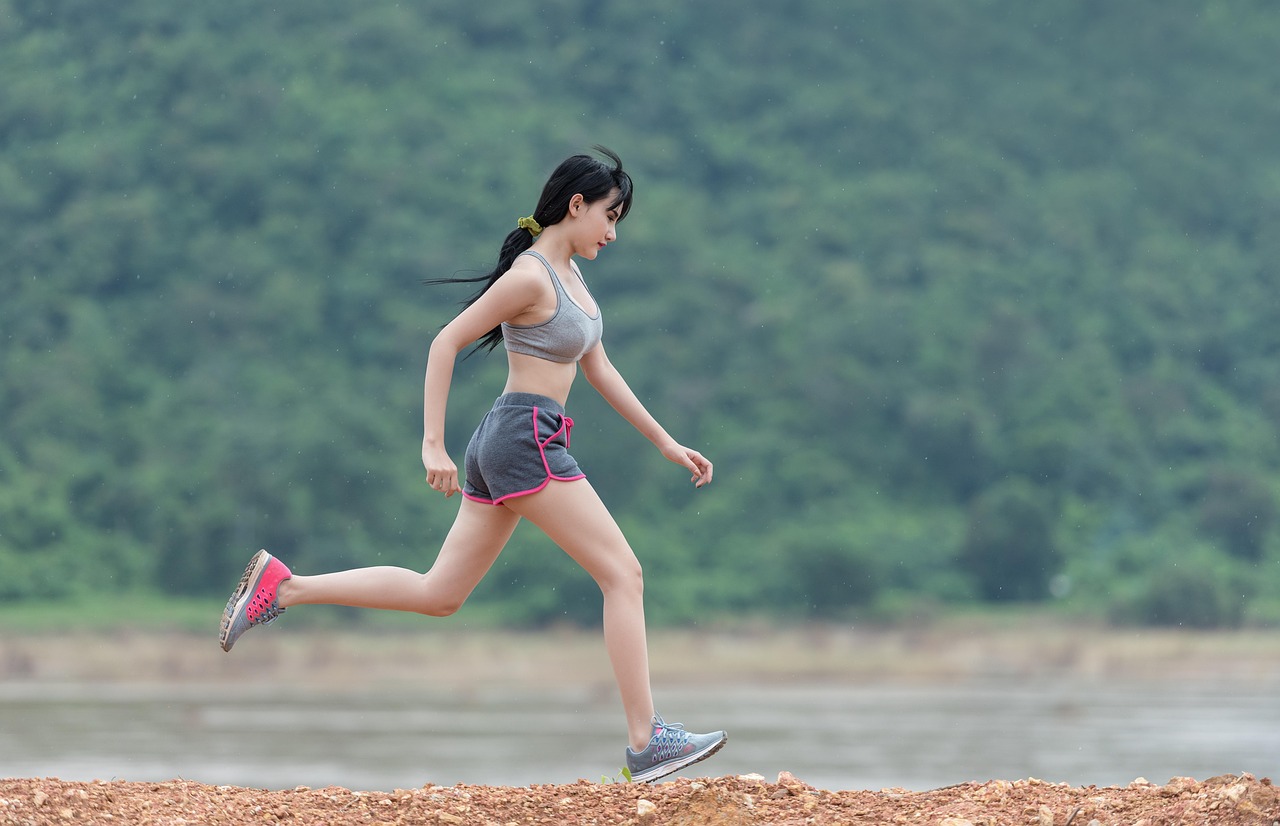
Low-impact cardio workouts are also essential for recovery after traveling. Introducing gentle cardio activities like walking, cycling, or swimming can rejuvenate your body without overwhelming it. These exercises help get your blood pumping while being easy on your joints. Start with a brief early morning walk to energize your day. Gradually increase your walking duration, aiming for at least 30 minutes each session. Incorporating cycling on a stationary bike provides an excellent alternative, promoting cardiovascular health. Swimming is another enjoyable option that engages multiple muscle groups. This full-body workout is low-resistance, making it advantageous for recovery. Additionally, try to maintain a steady pace and listen to your body. If you complete a workout and still feel fatigued, allow yourself recovery time. Engaging in low-impact cardio not only provides physical benefits but also elevates your mood by releasing endorphins. Pair your cardio workouts with nutritious snacks to support energy levels throughout your activities. You may also discover new scenery or places in your area to explore while achieving your recovery goals. Make workouts enjoyable again by discovering activities you genuinely love.
The Role of Hydration and Nutrition
As you transition back into your workout routine post-travel, hydration and nutrition are crucial for optimal recovery. After spending hours on flights or long drives, your body requires replenishment. Make it a priority to hydrate consistently throughout the day, particularly if you have been consuming alcohol during your trip. Water supports muscle function and helps eliminate toxins, allowing you to feel rejuvenated. Additionally, consider incorporating electrolyte-rich beverages if you feel drained after the journey. Replenishing essential electrolytes can significantly boost your energy and hydration levels. Nutrition is equally important; aim to consume nutrient-dense meals filled with whole foods. Incorporate lean proteins, which promote muscle recovery, carbohydrates for energy restoration, and healthy fats for overall health. Aim to incorporate plenty of fruits and vegetables to deliver a range of vitamins and minerals. Meal prepping after returning home can simplify your eating habits. By keeping your nutrition organized, you ensure you’ll nourish your body appropriately. Sharing meals with family or friends can foster a sense of connection while supporting your health journey. Ultimately, your commitment to staying hydrated and well-nourished enables you to feel your very best.
A great addition to your post-travel recovery plan could include strength training. However, approach this aspect thoughtfully, as your body needs gentle reintroduction to its regular intensity. Instead of heavy lifting, prioritize bodyweight exercises or lighter weights to ease back into a routine. Focus on compound movements like squats, push-ups, and lunges that target multiple muscles simultaneously. These exercises help build strength and support overall fitness. Aim to perform two to three sets of 8 to 12 repetitions. Prioritize form over quantity to prevent injury, allowing your muscles to adapt. Create a balanced workout incorporating upper and lower body movements to maintain symmetry. Mix in core exercises to stabilize your body, as a strong core is vital for overall health. Resistance bands can be an added tool for those easing back into strength training. Their versatility allows countless exercise variations that engage different muscle groups. Don’t forget to listen to your body, adjusting your routine as needed. Incorporating strength training not only aids recovery but boosts your metabolism over time, ultimately benefiting your overall fitness.
Enjoying Active Lifestyle Choices
Incorporating active lifestyle habits can profoundly amplify your recovery process after travel. Engaging in regular physical activity not only fosters physical fitness but also empowers your mental and emotional well-being. Find activities that you genuinely enjoy, be it hiking, dancing, or cycling with friends. Consider scheduling regular outings to outdoor parks or local trails to craft a healthy exercise routine. Connecting with nature boosts mental health and encourages mindfulness and relaxation. Furthermore, invite friends or family along for encouragement and social interaction. By making movement fun, you’re more likely to remain committed. Take every opportunity to integrate movement into your daily life; even small activities contribute to your overall energy levels. Dedicating weekends to exploring nearby destinations can spark your adventurous spirit. Remaining active helps you adapt more easily to post-travel days, improving your overall health and vitality. Setting achievable fitness goals can inspire you and provide motivation. Celebrate your accomplishments, regardless of how small, as they contribute to your long-term health journey. Embrace this opportunity to develop an active and fulfilling lifestyle that stays with you all year round.