
Storytelling Through Parkour Photography: Conveying Emotion and Energy
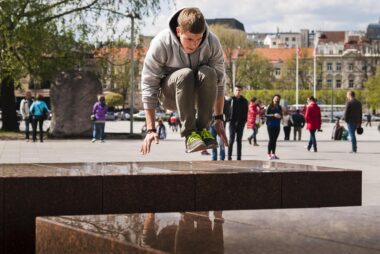
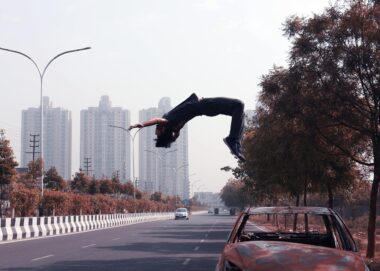
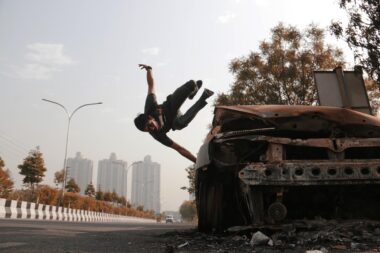
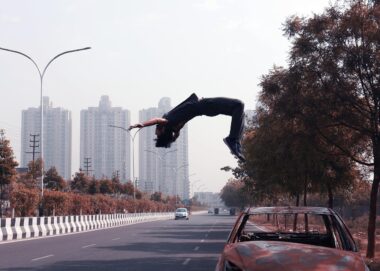
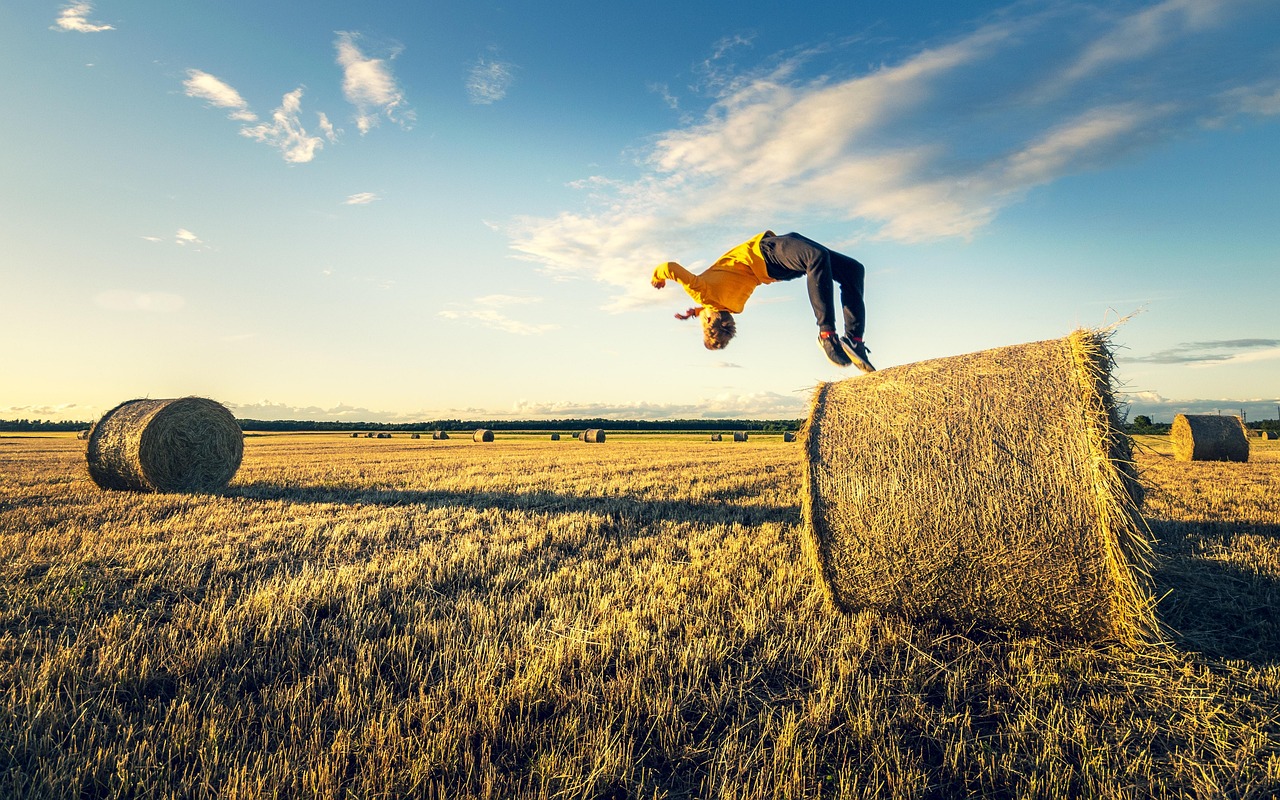
Photographing parkour and freerunning presents unique storytelling challenges and opportunities for photographers. To effectively capture the essence of movement, it’s crucial to focus on the dynamics of the subjects while conveying emotion through composition and framing. Action shots, depicting athletes in mid-air during a flip or vault, are particularly effective in narrating a story of agility and control. Use fast shutter speeds to freeze the motion, highlighting the intensity of the moment as the athlete soars through the air. Experiment with different angles to create engaging perspectives that draw the viewer’s attention in and create an emotional connection. Consider the background as well; urban settings add context to difficult moves while displaying the athlete’s relationship with their environment. Utilize natural light effectively to play with shadows and highlights, crafting vivid images that evoke feelings of movement and energy. Remember, taking candid shots can capture raw emotions beautifully, allowing the viewer to experience the thrill and adrenaline inherent in parkour. A well-composed photograph can inspire and motivate others to explore this exhilarating sport.
Planning is essential when aiming for outstanding parkour photography. Before the shoot, scout locations that provide diverse challenges for the athletes, allowing you to explore different backdrops. Areas with walls, rails, and other structures will give your subjects ample opportunities for creativity and expression. Analyze the light conditions at different times of the day; golden hour often provides the most flattering natural light, creating soft shadows and highlights that enhance your images. Instead of shooting aimlessly, pre-visualize sequences, mapping out potential shots that capture various styles, from fluid movements to explosive jumps. Having a clear idea not only helps in managing time during the shoot but also fosters collaboration with the athletes, who may share their preferred moves and sequences for filming. Communication is key; discussing the concepts and potential compositions with the parkour athlete ensures that you capture the spirit behind their movements. Prepare your camera settings in advance; adjust the ISO, aperture, and shutter speed according to the environment to avoid distractions while shooting. The right preparation leads to fluid execution and, ultimately, dynamic and evocative photography.
The Importance of Composition
Composition plays a vital role in parkour photography, significantly impacting how the story unfolds in a single frame. Utilize the rule of thirds, which allows you to position your subject off-center, creating a more balanced and engaging photo. This technique draws the viewer’s eye toward the action, whether it’s a landing, a leap, or a roll. Additionally, negative space is quite powerful; it emphasizes the subject and can signify freedom, movement, and risk that parkour embodies. Use leading lines created by alleyways, fences, and rails to guide the eye into the frame, directing attention towards the athlete’s motions. Lastly, consider foreground elements that can add depth to your images; including objects like blurred branches or walls can create a sense of context and three-dimensionality. When it comes to framing your subject, try to include elements that hint at their environment; this establishes a narrative and sets the scene. The finer details of composition, from balancing elements to using light creatively, are the keys to crafting visually captivating parkour images that resonate emotionally with viewers.
Capturing emotions while shooting parkour is essential for conveying the intense thrill associated with the sport. Initiate some interaction with the athletes to allow their authenticity to shine through, showcasing not just physical prowess but also their passion. Encourage them to exhibit various emotions; joy, determination, and even focus are fundamental elements that breathe life into photographs. Candid moments portraying genuine expressions can enhance storytelling and help the audience connect with the subject. It’s crucial to be attuned to the energy of the moment, ready to react swiftly to capture that noteworthy expression. Utilize continuous shooting mode to take rapid-fire shots during an action sequence; this can help secure the perfect moment that showcases both movement and emotion in harmony. Later, during the editing process, focus on enhancing those emotional moments through careful color grading or contrast adjustments. The emotions captured through the lens not only enrich the narrative but also inspire viewers, reflecting the soul of parkour and inviting them into the athlete’s world. Remember, an image that tells a story evokes deeper connections beyond mere visuals.
Technical Considerations
Mastering technical settings is vital to achieve popular and compelling parkour photographs. Ensure you’re familiar with your camera and its capabilities; this can significantly impact the quality of your images and overall narrative. Consider using a camera with a high burst mode, allowing you to capture rapid movements without losing detail within the action sequences. Shutter speed is especially crucial; a speed of 1/1000th of a second or faster is ideal for freezing motion while avoiding blurriness. Additionally, the aperture affects depth of field; a wide aperture can help separate the subject from the background, focusing attention on the action. Conversely, using a smaller aperture may capture more detail in both foreground and background, emphasizing the environment where the action unfolds. Adjust your ISO according to the lighting available; higher ISO numbers might introduce noise but can be necessary in low-light situations. Experimenting with all these settings enables you to realize your unique vision while executing precise and impactful parkour photography in both bustling urban landscapes and serene outdoor environments.
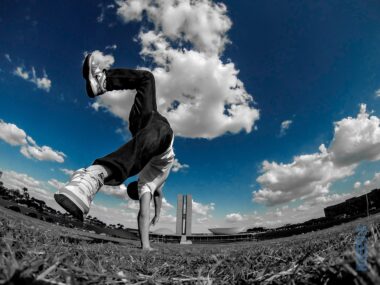
Editing is a critical phase after capturing stunning parkour shots, allowing you to enhance the story’s emotions visually. Start by organizing your images, selecting the best shots that resonate with your intended narrative. Use software like Adobe Lightroom or Photoshop to refine your photos. Focus on adjusting exposure, contrast, and saturation to enhance mood; darker tones can evoke intense emotions while bright images can incite feelings of joy and freedom. Pay attention to cropping; enhancing composition during editing can help sharpen storytelling elements by removing distractions and emphasizing the subject. Consider applying filters or adjustments to recreate the desired feel; sometimes black and white images can amplify drama and focus, while color grading can enhance emotional impact. Textural alterations, such as a soft vignette effect, can subtly direct attention towards your subject. Additionally, consider including some motion blur creatively in post-processing to amplify the subject’s speed and energy, encapsulating the essence of parkour art. Remember, editing should complement rather than overshadow the original story captured by your lens.
Showcasing Your Work
Once you’ve compiled a collection of dynamic parkour photographs, it’s time to share your work with the world, showcasing your unique storytelling approach. Create an online portfolio to display your best images while providing context and narrative behind each photograph. Craft engaging captions that resonate with your audience; share insights or personal thoughts on what each moment evoked during the shoot to further connect with viewers. Utilize social media platforms effectively to share visually captivating content that emphasizes the thrilling and dynamic nature of your photography. Popular platforms include Instagram and Facebook, where high-impact visual storytelling thrives. Consider collaborating with athletes to expand your reach; their networks can introduce your work to a broader audience. Participate in photography exhibitions or competitions focused on movement or sports photography to gain exposure and feedback on your work. Networking within the parkour and photography community can lead to potential client work and collaborations, fostering creativity within the scene. Ultimately, showcasing your photography is about creating a dialogue with viewers and inspiring them through the dynamic art of parkour.
Engaging with the parkour community is vital for both personal and professional growth as a photographer. Attend local events or workshops that focus on parkour and freerunning; this could provide not only inspiration but also opportunities to build relationships with enthusiasts and professionals alike. Engaging with fellow photographers can foster valuable conversations, allowing you to exchange techniques, critiques, and ideas that can assist in honing your craft. Establishing a mentor relationship with an experienced parkour photographer can also offer insights into developing your personal style and storytelling methods. Additionally, participate in online forums or social media groups dedicated to parkour; sharing your work and receiving feedback can enhance your learning process. Furthermore, visiting training sessions can help you better understand movements and techniques, enabling you to photograph them more effectively. Participants can also share their thoughts on what emotions their actions convey, leading to deeper storytelling insights. Building a strong network of connections within the parkour community enriches both your photography and understanding of the sport itself, creating a mutually beneficial relationship that helps elevate the art form further.