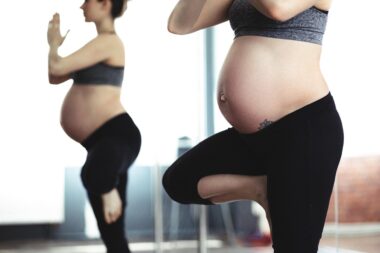

Strength Training During Pregnancy: Safety and Benefits
Strength training during pregnancy offers numerous benefits for both the mother and the developing baby. Pregnant women can enhance their overall physical wellness by engaging in regular resistance exercises. These activities can help regulate weight gain, improve posture, and reduce common discomforts such as back pain. Additionally, maintaining an exercise routine may lead to shorter labor duration and decreased risk of gestational diabetes. Many expectant mothers may worry about the safety of exercising while pregnant, but with proper guidelines and modifications, strength training can be safe and beneficial. It’s crucial to consult with a healthcare provider before starting any new exercise regimen, especially during this critical period. Incorporating exercises that focus on major muscle groups, maintaining flexibility, and improving cardiovascular fitness can contribute to a healthier pregnancy. Women should listen to their bodies during workouts and avoid pushing too hard, keeping hydration levels high. Finding a supportive and knowledgeable fitness community can also provide motivation and encouragement. Overall, with appropriate precautions in place, strength training can significantly enhance both physical and mental health for pregnant women.
One notable benefit of prenatal strength training is its impact on mental health. The emotional changes that accompany pregnancy can sometimes lead to anxiety and depression. Engaging in physical activity can be a powerful way to boost mood, as it releases endorphins that promote feelings of well-being. Additionally, it helps to build self-confidence and body awareness as women adapt to the changes occurring in their bodies. A regular strength training routine can also help alleviate pregnancy-related stress, allowing mothers to feel more in control. It’s essential to integrate relaxation techniques alongside exercise strategies; practicing mindfulness during workouts can deepen the connection to the body. Group classes or working with a personal trainer who specializes in prenatal fitness can enhance motivation. These settings often provide camaraderie and emotional support among participants, creating a sense of community. Research has shown that women who stay active during pregnancy report lower levels of stress compared to those who lead a sedentary lifestyle. Setting realistic and attainable fitness goals can further bolster mental well-being while navigating the challenges of pregnancy. Thus, prenatal strength training benefits not just physical health but also emotional resilience.
Enhancing Endurance and Strength
Strength training positively influences endurance levels, which is vital during labor and childbirth. Improved muscular endurance allows expectant mothers to manage the physical demands of labor more effectively. Women who prepare their bodies through resistance exercises may find it easier to cope with contractions, enhancing overall stamina during the birthing process. Additionally, this training helps to strengthen key muscle groups used during delivery, which aids in a smoother experience. Consistent strength training prepares women physically to handle the continuous hours of work involved in labor. Enhancing strength can also contribute to more effective pushing in the later stages of delivery. Women may even recover faster postpartum, as strength plays a critical role in rehabilitation after childbirth. Being well-conditioned helps mothers return to their pre-pregnancy fitness levels more quickly. Furthermore, strength training promotes better balance and coordination, reducing the risk of falls, which are more frequent during pregnancy due to changes in body mechanics. Incorporating exercises that target stabilization and core strength is particularly beneficial. Working closely with fitness professionals experienced in prenatal care can ensure safety and create a personalized training plan aligned with individual goals.
Another significant advantage of prenatal strength training is its role in weight management. Maintaining a healthy weight during pregnancy can be challenging, but strength training can help regulate weight gain, keeping it within recommended limits. Gaining the right amount of weight contributes to the health of both mother and baby, supporting healthy outcomes during pregnancy and delivery. Instead of solely focusing on cardiovascular exercises, integrating strength training can effectively promote fat loss while preserving lean muscle mass. Engaging in a regular, balanced routine helps women stay active while feeling empowered and strong throughout their pregnancy journey. Resistance training can also improve metabolism, enhancing the body’s ability to process nutrients effectively. Women can benefit from learning proper techniques for portion control and healthy eating alongside their fitness programs. This knowledge contributes to maintaining balanced nutrition, supporting both energy levels and baby’s growth. It’s essential to emphasize that any exercise program should be tailored to individual fitness levels. Women with any pre-existing conditions or complications need to assess their specific needs and experiences in coordination with healthcare providers. Ultimately, strength training aids in weight management and promotes overall maternal health.
Supporting Postnatal Recovery
Engaging in prenatal strength training can have lasting positive effects on postnatal recovery. After childbirth, women often desire to return to exercise quickly, and having built strength during pregnancy can facilitate this transition. The body undergoes significant changes during pregnancy, and strength training prepares women physically to regain their pre-pregnancy fitness levels more rapidly. Additionally, it can be integral in addressing bodily changes such as diastasis recti and pelvic floor recovery. Strengthening the core and pelvic floor muscles can help women regain stability and support after childbirth. As mothers navigate the challenges of caring for a newborn, prioritizing self-care becomes essential. Incorporating strength training into a postnatal routine can help prevent feelings of overwhelm, providing time for personal health needs. Group fitness classes tailored for new mothers often foster community support, sharing experiences, and motivation to stay active. Gradually returning to a fitness routine encourages women to reconnect with their bodies, allowing time for bonding with the baby as well. Establishing healthy exercise habits can significantly contribute to ongoing physical, emotional, and mental well-being long after childbirth. Thus, prenatal strength training plays a vital role in setting the foundation for holistic recovery.
Safety is a paramount consideration for any pregnant woman engaging in strength training. Ensuring that workouts are tailored to pregnancy needs is essential in preventing injuries and discomfort. Women should focus on maintaining proper form throughout exercises, using lighter weights, and avoiding high-impact activities. While some women may have experience with strength training, it’s crucial to modify movements to accommodate their fluctuating physical abilities throughout the trimesters. Exercises that emphasize stability, core strength, and flexibility are often most beneficial during this period. Consulting a certified prenatal fitness professional prior to initiating a strength training program can provide invaluable guidance on safety measures. Monitoring heart rates and recognizing physical limitations are also recommended. Additionally, staying well-hydrated and listening to the body can prevent overexertion. Women should avoid exercises that require them to lie flat on their backs, particularly in the later stages of pregnancy, to ensure proper blood flow. Awareness of potential signs of discomfort, such as pain or cramping, is critical, necessitating necessary modifications. Therefore, understanding safety guidelines is essential for pregnant women to maximize the benefits of strength training while minimizing risks during this transformative phase.
Conclusion and Encouragement
In conclusion, strength training during pregnancy presents an array of benefits that can enhance the overall experience for both expectant mothers and their babies. From boosting physical health and mental well-being to facilitating smoother labor and recovery, engaging in safe resistance training can be transformative. Pregnant women are encouraged to embrace fitness as a means of empowerment throughout their journey. Collaborating with knowledgeable fitness experts and healthcare providers is essential to ensure that workouts are effective and secure. Emphasizing community support can also provide additional motivation. Women are reminded that fitness should be enjoyable and should adapt to their unique needs and pace. Packing in a variety of movements will keep workouts engaging and fulfilling. As pregnancy poses numerous challenges, viewing fitness as a positive coping mechanism will contribute to emotional resilience. By prioritizing physical health, expectant mothers can foster healthier pregnancies and ultimately enhance postpartum recovery. A successful strength training regime promotes not only individual well-being but also a lifestyle that encourages holistic health for both mother and baby. Through dedication and focus, strength training can become a remarkable ally during these pivotal months, inspiring wellness throughout motherhood.
As we embrace the journey of pregnancy, remember that every small effort counts. No matter your fitness level, taking the initiative to engage in strength training can lead to numerous advantages. Understanding that the pregnancy period is dynamic means adjusting goals along the way is perfectly acceptable. By fostering a positive mindset towards fitness, expectant mothers can cultivate a meaningful connection with their bodies and their growing babies. Allowing this experience to empower your journey promotes a healthy lifestyle that extends beyond childbirth. Consistency is key; setting aside dedicated time for strength training, even in small amounts, adds up over time. The benefits ripple through daily life, affecting mood, energy levels, and overall physical strength. Focus on celebrating the small victories during workouts and enjoy every progression. Connecting with other mothers and sharing experiences can create lasting friendships and support systems during this phase. Remember, healthy and conscious choices today pave the way for a better tomorrow for both mother and child. Nutrition and exercise combined truly enrich the pregnancy experience. So step into this incredible journey with strength and determination!