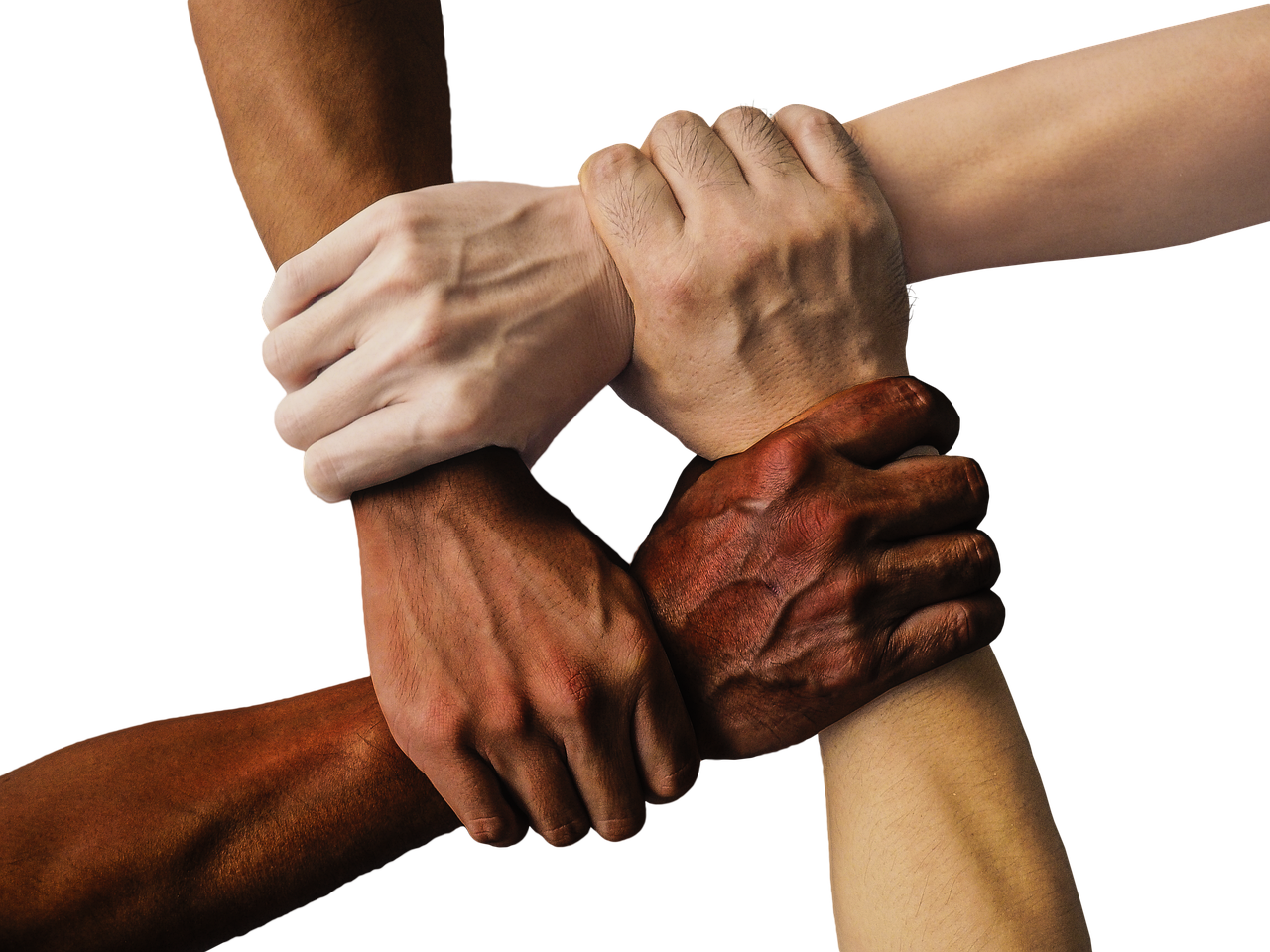

Supporting Mental Health through Community Connections
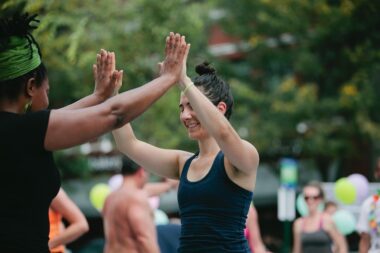
Participating in a Yoga and Pilates community significantly contributes to improved mental health, as it encourages the forging of meaningful connections. Engaging with others who share similar interests creates a supportive environment where individuals feel safe to express their feelings and experiences. Within each class, members support one another, leading to a strong sense of belonging. This connection not only reduces feelings of isolation but also promotes a positive outlook on life. Additionally, many people find comfort in sharing their struggles with mental health openly during group sessions. Such discussions can help to break down stigmas associated with mental health challenges. Moreover, being part of a community provides access to shared resources, such as workshops and events focused on mental well-being. Members can also share tips and personal strategies for managing stress, anxiety, and other mental health issues. The combined catharsis of physical movement and social interaction plays a crucial role in enhancing overall wellness. Engaging in yoga and Pilates classes also often leads to lasting friendships that extend beyond the studio, enriching the lives of participants well beyond the mat.
Creating a Safe Space for Expression
A Yoga and Pilates community is inherently designed to be a safe and welcoming space for everyone. In these environments, participants can freely share their thoughts and navigate their mental health journeys. Instructors often cultivate this atmosphere by emphasizing the importance of respect and non-judgment. By setting boundaries and guidelines, members feel empowered to explore their emotions without fear. Mental health awareness can also be integrated into classes, such as discussing its connection to physical practices like Yoga and Pilates. This connection encourages mindfulness, breathing exercises, and meditation techniques. These practices are essential tools that help individuals manage their mental health more effectively. Furthermore, after-class discussions sometimes foster deeper bonds between participants, enhancing the overall sense of community. In these discussions, members can discuss challenges and solutions that may arise in daily life outside the studio. The supportive nature of these communities ultimately allows participants to feel heard and understood, validating their experiences. Building trust and connection provides numerous benefits as these relationships can help individuals navigate tough emotional landscapes.
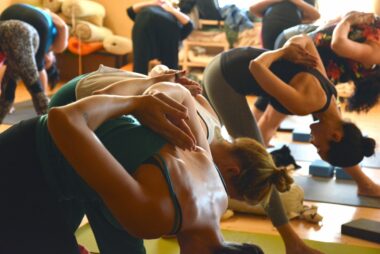
Engaging in group activities like yoga and Pilates can effectively bolster mental health outcomes. Native to these disciplines, physical exercise releases endorphins which enhance mood and reduce stress levels. When practiced collectively, these benefits multiply as participants motivate and encourage one another. This synergy is instrumental in nurturing motivation, making it less likely for individuals to skip sessions or fall into negative thought patterns alone. Many practitioners find that the camaraderie fostered in classes translates to increased accountability and support. Additionally, participating regularly creates a routine, contributing positively to emotional stability and personal growth. Members can also share fitness goals and celebrate milestones together, reinforcing the community’s bond. In a supportive environment, individuals may feel more empowered to challenge themselves, taking on new poses or enhancing their routine. This journey of self-discovery often inspires deeper personal reflection, which is vital for mental well-being. The experience becomes a transformative process both physically and emotionally, and the community acts as a vital support network in this journey. For many, the commitment to classes becomes a ritual that prioritizes mental health.
Group classes serve as more than just physical workouts; they are crucial gatherings for emotional healing. Classes often incorporate breathing techniques designed to help participants connect with their inner selves and alleviate anxiety and stress. Each deep breath taken not only promotes relaxation but also fosters the sharing of vulnerabilities among members. Painful experiences related to mental health can be eased through shared empathy and collective practices. Furthermore, instructors often share guided meditations to enhance mindfulness among participants, aiding in the development of resilience. This collective practice cultivates an understanding that one is not alone in their struggles, which can be profoundly healing. Participants typically report feeling lighter, both physically and mentally, after such sessions. Sharing in the experience of overcoming personal challenges can lead to a greater sense of community and connectivity, ensuring that mental health support extends beyond yoga mats. This practice often helps foster a culture of open conversation regarding mental health, encouraging those who may be hesitant to seek help to do so in a judgement-free zone. Ultimately, this sharing becomes part of the ritualistic healing process.
Workshops and Community Initiatives
Yoga and Pilates communities frequently host workshops that focus on mental health and well-being, further enriching their support systems. These workshops cover various topics from mindfulness techniques to nutritional advice, all of which contribute to holistic health. By providing educational resources, communities become vital hubs of knowledge-sharing, allowing participants to make informed choices about their mental health. Attendees often learn effective strategies to manage stress and anxiety in real life through practical exercises integrated into daily routines. Additionally, many communities engage in initiatives designed to promote mental health awareness within broader society. Collaborative efforts may include organizing classes specifically aimed at those struggling with mental health issues or offering free classes to marginalized groups. These initiatives often foster social responsibility and connection, expanding the support network to those outside the community. Participants often realize that their collective efforts can bring about significant change, which positively influences their personal growth. The sense of fulfillment gained from participating in such projects enhances individual mental well-being and strengthens communal bonds.
Social media also plays a significant role in fostering community connections related to Yoga and Pilates. Through online platforms, members can share their experiences, thoughts, and feelings, creating a digital extension of their physical community. These platforms allow for deeper engagement and connection even outside of class schedules. Participants often post about their classes, share inspiration, or encourage others within their circles, thus promoting mental health awareness. This connectivity helps to form friendships that transcend geographical barriers, opening up discussions to a broader audience. By sharing personal stories, members can reflect on their journeys and learn from one another. Many social media groups create safe spaces for discourse on mental health, where members can seek advice or support anonymously if needed. Engaging with these communities online also reduces feelings of isolation, particularly for those who may find it challenging to attend in-person classes regularly. The continuing dialogue on these platforms reinforces the idea that mental health is a priority and something that can be attended to collectively. This active participation can lead to lasting relationships rooted in mutual support.
The benefits derived from Yoga and Pilates community support are multifaceted, deeply impacting mental health. Adopting a holistic approach that emphasizes physical well-being while addressing emotional needs is essential for effective support. Personal testimonials abound among community members, illustrating how interconnections foster resilience and personal growth. These stories often inspire others to become more involved, creating a cyclical effect of support and empowerment. Moreover, for individuals experiencing significant mental health issues, attending Yoga and Pilates classes can provide a structured routine conducive to recovery. A predictable schedule allows participants to maintain focus and discipline in their lives. Through their practice, they can cultivate self-acceptance and develop coping mechanisms useful in daily life. Each member contributes uniquely to the community tapestry, enriching the group’s collective experience and bolstering its emotional fabric. The power of shared experiences and understanding ultimately unites individuals aiming to enhance their mental well-being. In this sense, community support extends beyond physical engagement, becoming a crucial component of each individual’s journey toward mental health recovery.
Conclusion: The Lasting Benefits of Community
In conclusion, the impact of Yoga and Pilates communities extends profoundly beyond physical fitness, significantly contributing to mental health and well-being. These supportive spaces foster personal growth, provide essential resources, and cultivate meaningful relationships among participants. Engaging in these classes not only cultivates resilience but also creates lasting friendships that last outside this environment. The shared commitment to collective mental health encourages participation and accountability, vital in navigating life’s challenges. Furthermore, as communities promote awareness and understanding amongst members, they break down barriers surrounding mental health conversations. This continuing dialogue is necessary for creating an inclusive space where all individuals feel valued and supported. Participants leave with a deeper understanding of mental well-being and access to the tools needed for personal healing. There is great power in connection; each individual can play an integral role in enhancing the community dynamic by supporting one another. Ultimately, Yoga and Pilates serve as more than just activities; they are lifelines connecting individuals to their inner peace and each other, providing solace, strength, and hope.