
The Role of Hydration in Preventing Skin Aging: What You Need to Know
Hydration is essential for maintaining youthful skin. As we age, the skin’s ability to retain moisture diminishes, leading to various signs of aging. Dry skin is more prone to wrinkles and fine lines, making it imperative to adopt effective hydration strategies. To combat skin aging, consider drinking enough water daily. Aim for at least eight glasses of water, as this helps maintain skin elasticity and suppleness. Additionally, a well-balanced diet rich in fruits and vegetables contributes to overall hydration levels. Foods like cucumbers, watermelon, and oranges are particularly hydrating. Topical treatments can also play a crucial role; choose moisturizers containing ingredients like hyaluronic acid, which draws moisture into the skin. Moreover, sunscreen is vital, as UV rays can dehydrate the skin and accelerate aging. Creating a daily skincare routine that emphasizes hydration will go a long way toward preventing the visible effects of aging. Regularly applying serums or oils can enhance skin moisture levels and improve texture, leading to a radiant complexion. Paying attention to hydration is a fundamental step in your skincare regimen for youthful skin.
Maintaining skin hydration goes beyond just drinking water; it involves a holistic approach. One key factor to consider is the climate you live in, as both excessive heat and cold can lead to skin dehydration. In winter months, use a humidifier to add moisture to indoor air, which will help prevent skin from drying out. Likewise, during hot weather, increase your water intake and use lightweight, hydrating serums to keep skin hydrated. It’s beneficial to avoid harsh soaps that strip natural oils, and instead opt for gentle, hydrating cleansers. Furthermore, incorporating omega-3 fatty acids into your diet can support skin barrier function; sources include fish, walnuts, and flaxseeds. Moreover, practicing mindful activities such as yoga or meditation can help reduce stress levels, which in turn supports skin health. High stress can lead to hormonal imbalances that negatively impact skin hydration. Hydration is a multifaceted strategy, combining internal and external methods. Hence, regularly reassessing your hydration needs and skin’s response will ensure a comprehensive approach to combating skin aging.
Top Hydration Tips for Youthful Skin
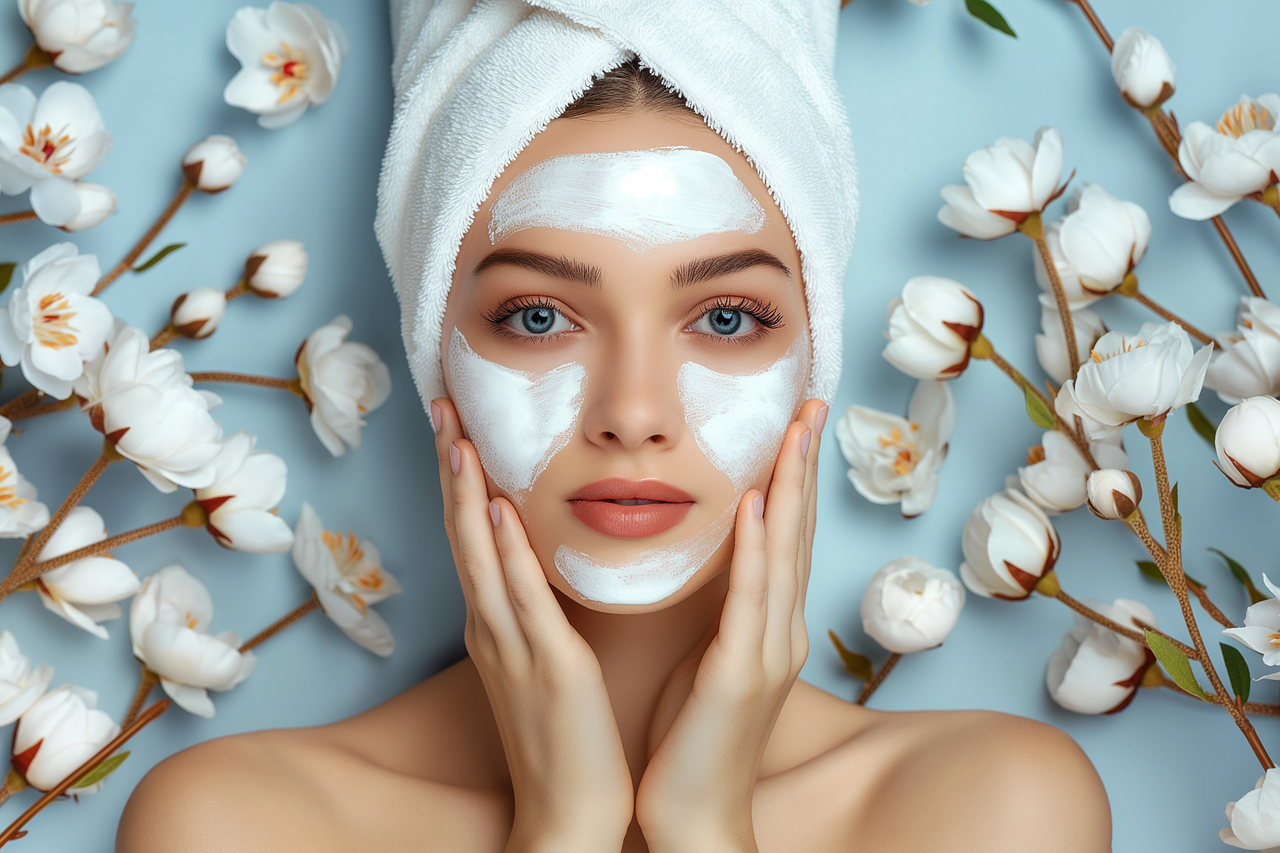
There are various effective hydration strategies for keeping skin youthful. First, establish a consistent skincare routine that begins with cleansing and hydrating. After cleansing, apply a toner that aids in moisture retention. Opt for toners that contain botanical extracts or glycerin to boost hydration. Next, serums enriched with antioxidants can layer hydration and protect the skin from environmental damage. Following this, apply a rich moisturizer that seals in moisture. Don’t forget to reapply sunscreen throughout the day to further protect from harmful UV rays. Moreover, taking shorter showers can prevent skin from losing its natural oils. The warm water may feel good, but it can strip your skin of essential moisture. After showering, apply moisturizer while your skin is still damp for optimal absorption. Additionally, consider using overnight masks a few times per week to provide extra hydration. Exploring hydrating face masks can also enhance overall skin moisture. Consistency and the right products tailored to your skin type will yield significant results in preventing skin aging.
As we know, hydration varies for each person, and understanding your skin type is crucial in determining the best hydration strategies. Oily skin might require lighter, oil-free products, while dry skin tends to benefit more from cream-based moisturizers. Recognizing how your skin reacts to different products can lead to better hydration and overall skin health. Regularly check your skin’s moisture levels and adjust your routine accordingly. It’s also important to remember that hydrating from within has a significant impact. Drinking water is the most straightforward approach, but herbal teas and (low-sugar) natural fruit juices can also contribute to hydration levels. Avoid alcohol and excessive caffeine; both can dehydrate the skin. Certain supplements, like collagen or hyaluronic acid, can also provide an extra hydration boost from the inside out. Finally, consider keeping a hydration diary to monitor your skin’s condition over time. Noting any improvements or declines can help in developing personalized hydration strategies. Experimentation and consistency in both external and internal hydrating practices lead to long-term success in maintaining youthful skin.
Understanding the Impact of Aging on Skin Hydration
Age plays a significant role in how our skin retains moisture. With each passing decade, the skin loses its ability to hold on to water, which significantly accelerates signs of aging such as fine lines, sagging, and dryness. This decline occurs primarily due to a decrease in natural substances like collagen and elastin. Moreover, aging skin produces fewer lipids, which are responsible for maintaining a moisture barrier. Therefore, understanding this physiological change is critical in developing effective hydration strategies. Men and women often experience hydration loss differently; hence, consider personalized approaches to skincare. Incorporating products that boost collagen production is essential for combating these age-related effects. Consult a dermatologist for tailored recommendations aimed at restoring skin’s hydration. Additionally, outdoor activities expose your skin to harmful environmental pollutants. Remember to cleanse your skin thoroughly after sun exposure. Antioxidant-rich products, such as vitamin C serums, will help combat oxidative damage caused by pollutants in the environment. Ultimately, recognizing how aging affects your skin can guide more effective hydration strategies.
Consistency is key when it comes to maintaining skin hydration and preventing aging signs. Developing a routine that you can adhere to daily is essential for noticeable improvements. Make it a habit to apply extra moisture after cleansing and exfoliating. Exfoliation should occur approximately twice a week, using gentle scrubs or chemical exfoliants to remove dead skin cells. This practice promotes better penetration of hydrating products. Pay close attention to the ingredients in your hydrating products; those rich in ceramides, fatty acids, and antioxidants can enhance your skin barrier. Moreover, during seasonal changes, reassess your hydration needs and adjust your skincare products accordingly. Many people find that they need richer creams in winter and lighter formulations in summer. Also, consider the role of sleep; getting enough sleep can improve skin recovery and help maintain adequate hydration levels. During sleep, your skin undergoes crucial repair and renewal processes, contributing to overall skin health. Tracking these changes can help you adapt your strategies and cater them to your unique needs.
Conclusion: Emphasizing Hydration for Lasting Youthfulness
In conclusion, hydration is a vital aspect of preventing skin aging. By incorporating these strategies into your daily routine, you pave the way for maintaining more youthful, radiant skin. Focus on both external and internal hydration processes to create a comprehensive approach. Start by ensuring you drink adequate water and eat a balanced diet rich in hydrating foods. Don’t overlook the impact of your skincare routine; prioritize moisturizers and serums in your daily application to lock in moisture. In addition, be mindful of changes in climate and skin behavior as you age, and adapt your routine accordingly. Practice good cleansing habits while ensuring you are protecting your skin from harmful elements in the environment. It’s essential to commit to a skincare regimen both morning and night that prioritizes hydration. Remember that effective hydration strategies take time, and results may not be visible overnight. Stay consistent and patient to see positive effects over time. Ultimately, a dedication to hydration not only benefits your skin but contributes to overall well-being.
Adopting hydration strategies promotes a deep-rooted connection between skin health and appearance. With so many products available, finding the right ones can take time and experimentation. Consult professionals, read reviews, and take note of how specific products work for your skin. Ultimately, the path to well-hydrated skin could be the game-changer you need for youthful appearance. Take charge of your skin’s health today, and remember: prevention is key.